SMT Conveyors Information With Electronics Assembly Equipment and Technical Insights
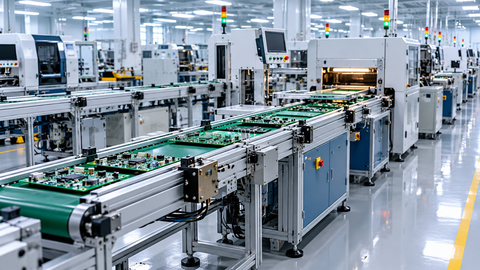
SMT conveyors are an important part of modern electronics manufacturing. SMT stands for Surface Mount Technology, a method of assembling electronic components directly onto the surface of printed circuit boards (PCBs).
SMT conveyors move these boards between different stages of production, helping manufacturing facilities maintain an organized and consistent assembly process.
The development of SMT conveyors is closely connected to the growth of compact electronic devices and automated manufacturing. As electronic products became smaller and more complex, manufacturers needed equipment that could transport circuit boards between solder paste printing, component placement, soldering, inspection, and other production stages.
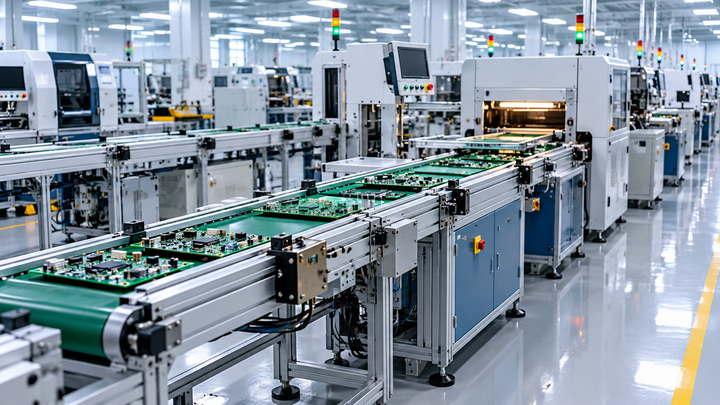
An SMT conveyor system typically consists of a frame, conveyor belts or rails, adjustable board guides, motors, sensors, and control mechanisms. Some models also include communication interfaces that allow them to coordinate with neighboring assembly machines. Their design depends on the size of the circuit boards, production requirements, and the type of electronics assembly equipment used.
How SMT Conveyors Work
An SMT conveyor receives a printed circuit board from one machine and transfers it to another. Adjustable guide rails hold the board in position while sensors detect its presence and help coordinate movement between equipment.
Depending on the configuration, a conveyor may move boards continuously or stop them at a specific transfer point. Automated controls help synchronize movement and reduce unnecessary handling during production.
Common Types of SMT Conveyors
Different conveyor designs support different stages of electronics manufacturing. Common types include:
PCB linking conveyors: Transfer circuit boards between machines in an assembly line.
Inspection conveyors: Support manual or automated visual inspection of assembled boards.
Buffer conveyors: Temporarily hold boards to balance production flow between machines.
Cooling conveyors: Allow circuit boards to cool after soldering or other heat-related processes.
NG and OK conveyors: Separate boards according to inspection results, where NG means not good and OK indicates an accepted result.
Turn conveyors: Change the direction of board movement to support different factory layouts.
Each type serves a particular purpose, and its suitability depends on the assembly line configuration.
Importance
SMT conveyors matter because electronics manufacturing involves several connected processes that must operate in a coordinated sequence. Without appropriate board transportation equipment, operators may need to move circuit boards manually between machines, increasing handling requirements and creating opportunities for alignment errors or physical damage.
These systems affect electronics manufacturers, equipment engineers, production supervisors, quality control teams, and operators. Their performance can influence production continuity, workplace organization, and the consistency of board handling.
Problems Addressed by SMT Conveyor Systems
SMT conveyors help address several practical manufacturing challenges.
Production interruptions: Transfers between machines can create delays when boards are not delivered at the required time.
Board handling risks: Repeated manual handling can increase the possibility of scratches, contamination, or component damage.
Uneven production flow: Buffer conveyors can temporarily hold boards when one process operates more slowly than another.
Equipment coordination: Sensors and control signals help connected machines transfer boards in a controlled sequence.
Space limitations: Modular conveyor designs can help manufacturers organize production lines within available floor space.
However, conveyors cannot eliminate every production problem. Incorrect settings, poor maintenance, incompatible machine interfaces, or damaged boards can still interrupt manufacturing.
Industries That Use SMT Conveyors
SMT conveyors are used in facilities that assemble electronic circuit boards for various applications. These include consumer electronics, automotive electronics, telecommunications equipment, industrial control systems, medical electronic devices, and computer hardware.
For example, an electronics manufacturer assembling control boards may use linking conveyors between a component placement machine, a reflow oven, and an automated optical inspection system. The conveyor transfers each board while the connected equipment performs its assigned operation.
Technical Features to Consider
The technical specifications of SMT conveyors determine how well they integrate into a production line. Important characteristics include:
PCB dimensions: The conveyor must accommodate the length, width, and thickness of the boards being processed.
Conveyor width adjustment: Adjustable rails allow the equipment to handle different board sizes within its specified range.
Transfer speed: Movement speed must match the requirements of connected production machines.
Positioning accuracy: Reliable board positioning helps maintain consistent transfers between equipment.
Control interface: Compatible electrical signals and communication protocols support coordinated operation.
ESD protection: Electrostatic discharge protection helps reduce the risk of damage to sensitive electronic components.
These features should be evaluated together rather than independently because conveyor performance depends on the complete production setup.
Recent Updates
The current SMT conveyor market reflects broader developments in electronics manufacturing, including increased automation, digital monitoring, flexible production layouts, and greater attention to equipment compatibility. These trends are particularly relevant as manufacturers handle different circuit board designs and increasingly connected assembly processes.
Automation and Smart Manufacturing
Modern SMT conveyor systems may incorporate programmable logic controllers, sensors, and communication interfaces. These components help equipment exchange status information and coordinate board transfers with neighboring machines.
Some systems can report operating conditions, transfer errors, or equipment stoppages to production monitoring platforms. The available functions vary according to the control system and factory software.
Flexible Production Lines
Manufacturers increasingly need to accommodate different PCB sizes and product configurations. Adjustable rails, modular frames, and configurable conveyor sections support changes in production layouts without requiring every component of the assembly line to be replaced.
This flexibility is particularly useful in facilities that manufacture several electronic products on the same production line.
Data Monitoring and Traceability
Digital manufacturing systems can connect conveyor status information with production records. Depending on the equipment, manufacturers may monitor board movement, equipment availability, and production interruptions.
Traceability systems can associate circuit boards with manufacturing records, inspection outcomes, or process information. A conveyor alone does not provide complete traceability; this capability depends on the connected identification, software, and data management systems.
Comparison of SMT Conveyor Types
The following table summarizes common conveyor categories and their typical functions.
Conveyor type | Main function | Typical application |
|---|---|---|
Linking conveyor | Transfers PCBs between machines | Automated assembly lines |
Buffer conveyor | Temporarily holds circuit boards | Production flow balancing |
Inspection conveyor | Positions boards for examination | Quality control stations |
Cooling conveyor | Supports controlled cooling | Post-soldering processes |
Turn conveyor | Changes board travel direction | Space-constrained layouts |
NG and OK conveyor | Separates boards by inspection status | Inspection and sorting stations |
Actual capabilities depend on the conveyor model, control configuration, and connected equipment.
Laws or Policies
SMT conveyor manufacturing and operation are influenced by several categories of technical standards, workplace safety requirements, and environmental rules. The exact requirements depend on the country where the equipment is manufactured, installed, or operated.
Machinery Safety Requirements
Industrial machinery may need to meet applicable requirements concerning moving parts, electrical hazards, emergency stops, protective covers, and operator access. Conveyor systems should be designed and installed with appropriate safeguards to reduce the risk of entanglement, crushing, and unexpected movement.
Electrical installations may also be subject to national wiring rules and equipment safety standards. Manufacturers and facility operators are responsible for determining which requirements apply to their equipment and operating environment.
Electromagnetic Compatibility and Electrical Safety
Electronic controls, motors, and sensors can generate or experience electromagnetic interference. Applicable electromagnetic compatibility requirements help ensure that equipment operates without unacceptable interference with nearby electrical or electronic systems.
Requirements differ across jurisdictions. Depending on the destination market and equipment configuration, conformity assessment, technical documentation, and declarations may be necessary.
Environmental and Electronic Waste Requirements
Electronics manufacturing equipment may contain electrical components, circuit boards, motors, and other materials that require appropriate end-of-life handling. Applicable environmental regulations can govern the disposal or recycling of electronic equipment and certain materials.
Manufacturers may also need to consider restrictions on hazardous substances in electrical and electronic equipment where relevant. The specific obligations depend on the product category and jurisdiction.
Workplace Operating Procedures
Facilities commonly establish procedures for machine inspection, maintenance, operator training, lockout during hazardous maintenance, and emergency response. These procedures help reduce risks associated with moving equipment and electrical systems.
Compliance should be assessed using the applicable local requirements and the equipment manufacturer's technical documentation.
Tools and Resources
Several technical resources help engineers, production planners, and equipment operators understand SMT conveyors and evaluate their compatibility with electronics assembly lines.
Conveyor Selection and Planning Tools
PCB dimension worksheet: Records board length, width, thickness, weight, and orientation requirements.
Production line layout software: Helps arrange machines and conveyor sections within the available factory space.
Cycle time calculator: Estimates how frequently boards must move through a production line based on process requirements.
Equipment compatibility checklist: Documents conveyor dimensions, transfer heights, control signals, and communication interfaces.
Maintenance log: Records inspections, belt condition, sensor checks, adjustments, and repairs.
ESD assessment checklist: Helps review grounding, protective materials, handling procedures, and electrostatic discharge controls.
Technical Documentation and Monitoring Platforms
Equipment manuals provide information about adjustment ranges, installation procedures, electrical connections, operating limits, and maintenance intervals. These documents are important when integrating conveyors from different manufacturers.
Factory monitoring platforms can help production teams review equipment status, stoppages, and manufacturing data. Their usefulness depends on the available sensors, network connections, software capabilities, and data quality.
Engineers may also use CAD tools to plan line layouts and programmable logic controller documentation to review transfer sequences. These resources help identify interface requirements before equipment is installed.
FAQs
What is an SMT conveyor used for?
An SMT conveyor transports printed circuit boards between machines in an electronics assembly line. It supports controlled board movement between processes such as component placement, soldering, inspection, and buffering.
How does an SMT conveyor connect with electronics assembly equipment?
An SMT conveyor may use sensors, electrical control signals, and compatible communication interfaces to coordinate transfers with neighboring machines. The connection method depends on the equipment models and factory control configuration.
What is the difference between an SMT linking conveyor and a buffer conveyor?
A linking conveyor primarily transfers boards between production machines. A buffer conveyor temporarily stores boards to help manage differences in processing speed or short interruptions between manufacturing stages.
Why is ESD protection important in SMT conveyor systems?
Electrostatic discharge can damage sensitive electronic components, sometimes without visible signs. Appropriate grounding, ESD-compatible materials, and controlled handling procedures help reduce this risk.
What factors affect SMT conveyor selection?
Important factors include PCB dimensions, transfer height, conveyor width adjustment, speed, positioning requirements, control interfaces, ESD protection, and compatibility with connected machines. Factory layout and maintenance requirements also influence equipment selection.
Conclusion
SMT conveyors support the organized movement of printed circuit boards throughout automated electronics manufacturing. Their functions include linking machines, buffering production flow, supporting inspection, and managing board transfers between different processes. Automation, modular design, and digital monitoring continue to influence conveyor system development. Equipment compatibility, safe operation, and appropriate maintenance remain important considerations for reliable production line performance.