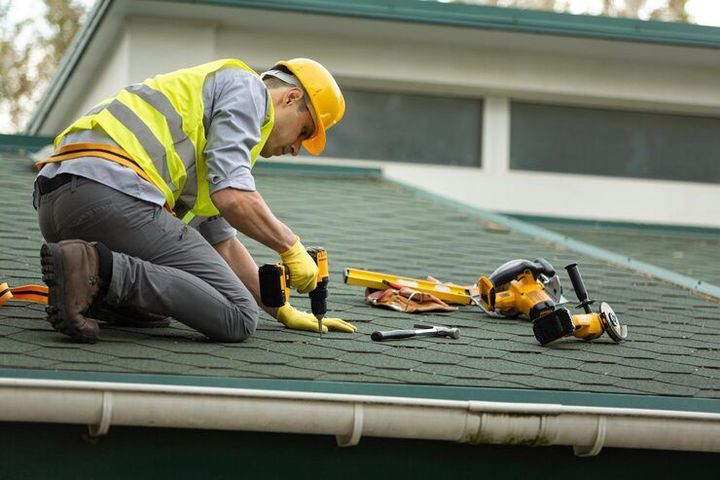
Learn About Essential Roof Repair for Long-Term Protection and Home Safety
Roof repair is an important part of maintaining a safe, functional, and durable home. A roof protects the interior of a building from rain, wind, sunlight, moisture, and changing outdoor temperatures.
Over time, roofing materials can deteriorate because of weather exposure, aging, poor drainage, or physical damage, making periodic inspection and maintenance necessary.
The need for roof repair developed alongside the use of different roofing materials, including clay tiles, wooden shingles, metal sheets, slate, and asphalt shingles. Modern buildings may also use waterproof membranes, insulation layers, protective coatings, and specialized drainage systems. Each roofing system has different maintenance requirements, depending on its design, material, and surrounding environment.
Common Types of Roof Damage
Roof damage can range from small surface cracks to structural problems that affect the entire building. Identifying the type of damage helps determine the appropriate repair method and whether professional assessment is necessary.
Common roofing problems include:
Leaking roofs: Water enters through damaged shingles, loose flashing, cracked tiles, or deteriorated waterproofing.
Missing or broken materials: Wind, falling branches, and aging can displace or damage roofing components.
Drainage problems: Blocked gutters and downpipes allow water to collect or flow toward vulnerable building areas.
Flashing deterioration: Damaged metal or waterproof barriers around chimneys, vents, and roof edges can allow moisture inside.
Structural deterioration: Persistent moisture, excessive loads, or weakened materials can damage roof supports and decking.
Understanding these problems provides a foundation for effective roof maintenance. Small defects may affect only a limited area, while neglected leaks can gradually damage ceilings, insulation, electrical components, and interior finishes.
Importance
Why Roof Repair Matters for Home Safety
Roof repair plays an important role in protecting people, property, and household structures. A damaged roof can allow water to enter living spaces, encourage mold growth, weaken wooden components, and reduce the effectiveness of insulation. These problems may develop gradually, making early detection an important part of home maintenance.
Roofing conditions also affect indoor comfort. Gaps, deteriorated seals, and damaged insulation can contribute to unwanted heat transfer, while moisture trapped within roofing layers may affect indoor air quality. Maintaining the roof helps preserve the building envelope, which separates indoor living areas from outdoor environmental conditions.
Who Needs Roof Maintenance?
Roof maintenance is relevant to homeowners, landlords, tenants, property managers, and people responsible for residential buildings. The frequency of inspection depends on the roof's age, materials, local climate, nearby trees, and previous maintenance history.
Buildings exposed to heavy rainfall, strong winds, hail, snow, or intense sunlight may experience different forms of deterioration. Flat and low-slope roofs can be particularly sensitive to drainage problems, whereas pitched roofs may experience damaged tiles, loose shingles, or flashing failures.
Warning Signs That Indicate Roof Damage
Some roofing problems are visible from the ground or inside the home. Recognizing early warning signs can help identify issues before they affect larger sections of the building.
Important indicators include:
Water stains or peeling paint on ceilings and upper walls.
Damp insulation or a persistent musty smell in roof spaces.
Missing, curled, cracked, or displaced roofing materials.
Rust, corrosion, or visible separation around metal flashing.
Sagging roof sections or unusual changes in roof alignment.
Blocked gutters, overflowing downpipes, or water pooling on flat roofs.
A sagging roof, major structural movement, or water near electrical equipment requires particular caution. Roof access can be dangerous, so inspections from the ground or by appropriately equipped professionals are generally safer than climbing onto a damaged structure.
Typical Roof Repair Methods
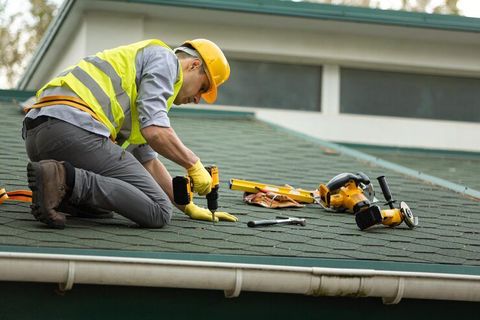
The appropriate repair method depends on the location, extent, and underlying cause of the damage. Replacing a broken tile may address a localized problem, while recurring leaks may require examination of flashing, underlayment, drainage, and roof decking.
Roofing problem | Common repair approach | Main purpose |
|---|---|---|
Broken roof tiles | Replace damaged tiles and inspect nearby areas | Restore the protective surface |
Loose or missing shingles | Reposition or replace affected shingles | Reduce water entry |
Damaged flashing | Repair or replace defective flashing | Protect joints and roof openings |
Blocked drainage | Remove obstructions and inspect drainage paths | Improve water flow |
Minor membrane damage | Apply a compatible repair system | Restore waterproofing |
Deteriorated roof decking | Assess and replace weakened sections where necessary | Maintain structural integrity |
These methods are general examples rather than universal solutions. Roofing materials, weather conditions, building design, and manufacturer instructions determine which repair approach is suitable.
Recent Updates
Roofing Maintenance Trends During 2024–2026
Recent roofing practices increasingly emphasize preventive maintenance, improved moisture detection, energy efficiency, and more durable materials. Property owners and building professionals are paying greater attention to identifying small defects before water penetration or material deterioration spreads to surrounding areas.
Digital inspection tools are also becoming more common. High-resolution photography, thermal imaging, moisture meters, and drone-assisted surveys can help identify possible roofing defects without requiring a person to walk across every roof surface. However, these tools have limitations, and their findings may need confirmation through a closer inspection.
Weather Resistance and Energy Efficiency
Changing weather patterns and severe weather events have increased attention to roofing resilience in many regions. Roofing designs may incorporate improved wind resistance, stronger fastening systems, reflective surfaces, and more effective drainage arrangements, depending on local conditions.
Energy efficiency is another consideration. Reflective roofing materials can reduce solar heat absorption under suitable conditions, while properly maintained insulation and ventilation can help manage indoor temperatures. These improvements should be considered alongside waterproofing, structural capacity, and compatibility with the existing roof.
Preventive Maintenance Approaches
Preventive roof maintenance focuses on monitoring roof conditions rather than waiting for visible interior damage. A practical maintenance routine may include checking gutters, inspecting accessible roof spaces, reviewing previous leak locations, and examining the roof after severe weather.
Digital photographs and inspection records can help compare changes over time. Recording the location of damaged materials, previous repairs, and recurring moisture problems also makes it easier to identify persistent issues. Although newer inspection technology can improve visibility, it does not eliminate the need for appropriate technical assessment when structural or waterproofing problems are suspected.
Laws or Policies
Building Regulations and Roofing Requirements
Roof repair requirements vary by country, region, municipality, and building type. Many jurisdictions establish building codes or construction standards that address structural safety, fire resistance, drainage, weather protection, and material performance. More extensive roofing work may require permits, inspections, or compliance with specific construction requirements.
In some locations, replacing a few damaged tiles may be treated differently from changing the roof structure, modifying its shape, or installing a new roofing system. Buildings in historic districts, shared residential developments, or areas exposed to particular environmental hazards may also be subject to additional restrictions.
Property Responsibilities and Safety Rules
Responsibility for roof maintenance depends on ownership arrangements and applicable housing laws. Homeowners generally oversee maintenance of their properties, while landlords and property managers may have obligations relating to building safety and habitability. In shared buildings, roof maintenance may be managed through a property association or another designated body.
Construction safety requirements can also apply when roofing work is undertaken. Depending on the jurisdiction and project, these may include fall protection, suitable access equipment, worker training, and safe handling of materials. Electrical equipment, unstable surfaces, and hazardous weather conditions require additional attention.
Insurance and Documentation
Home insurance policies may distinguish between sudden accidental damage and deterioration resulting from age, poor maintenance, or gradual wear. Coverage depends on the policy wording, exclusions, evidence requirements, and circumstances surrounding the damage.
Keeping inspection records, photographs, repair descriptions, and relevant invoices can help document the roof's condition. Local building authorities, housing agencies, insurers, and qualified building professionals can explain requirements applicable to a particular property. General information cannot replace an assessment of the relevant rules or insurance terms.
Tools and Resources
Roof Inspection Tools
Several tools can help with basic roof condition monitoring. Their suitability depends on the user's experience, the roofing system, and whether the equipment can be used safely.
Binoculars: Help examine visible roofing materials from the ground.
Flashlight: Supports inspection of accessible attic spaces and roof interiors.
Moisture meter: Helps identify elevated moisture in suitable building materials.
Digital camera: Records cracks, stains, damaged materials, and changes over time.
Measuring tape: Helps document the approximate dimensions of accessible affected areas.
Ladder safety equipment: Supports appropriate access when used by trained individuals under suitable conditions.
These tools do not replace structural assessments or specialized leak investigations. A moisture reading, for example, may indicate dampness but cannot independently establish the exact source of water intrusion.
Roofing Calculators and Planning Templates
Roofing calculators can estimate roof area, material quantities, slope, and the amount of roofing material needed for a planned project. Results depend on accurate measurements, roof geometry, overlaps, waste allowances, and the assumptions built into each calculator.
A roof maintenance checklist can also help organize recurring inspections. Useful fields include the inspection date, weather conditions, visible defects, affected roof sections, photographs, previous repairs, and any follow-up assessment required.
Reliable Information Sources
Building departments, official construction guidance, roofing material manufacturers, insurance documentation, and recognized building inspection organizations can provide information about maintenance methods and technical requirements. Information should match the roofing material and the building's location, particularly when regulations, climate conditions, or installation specifications differ.
FAQs
How often should a roof be inspected?
Inspection frequency depends on roof age, materials, weather exposure, and maintenance history. Periodic inspections, often annually and after significant storms, can help identify visible damage and drainage problems.
What are the common signs that roof repair is needed?
Water stains, missing shingles, broken tiles, damaged flashing, persistent dampness, and blocked drainage are common warning signs. Sagging sections or major structural changes require prompt assessment.
Can a leaking roof be repaired without replacing the entire roof?
Yes, some leaks result from localized damage that can be repaired without replacing the entire roof. However, widespread deterioration, repeated leaks, or weakened structural components may require more extensive work.
Which roofing materials require the least maintenance?
Maintenance needs vary with installation quality, climate, material condition, and roof design. Metal roofing, tiles, shingles, and membrane systems each have different inspection and upkeep requirements, so no material is maintenance-free in every situation.
What rules apply to residential roof repair?
Applicable rules may address building permits, structural safety, fire resistance, drainage, and construction practices. Requirements depend on the location, building type, and scope of the repair.
Conclusion
Roof repair helps maintain the weather resistance, structural condition, and indoor comfort of residential buildings. Understanding common damage, recognizing warning signs, and maintaining clear inspection records can support informed property maintenance. Repair methods and legal requirements vary according to roofing materials, building design, and local regulations. Regular condition monitoring remains an important part of long-term roof protection and home safety.