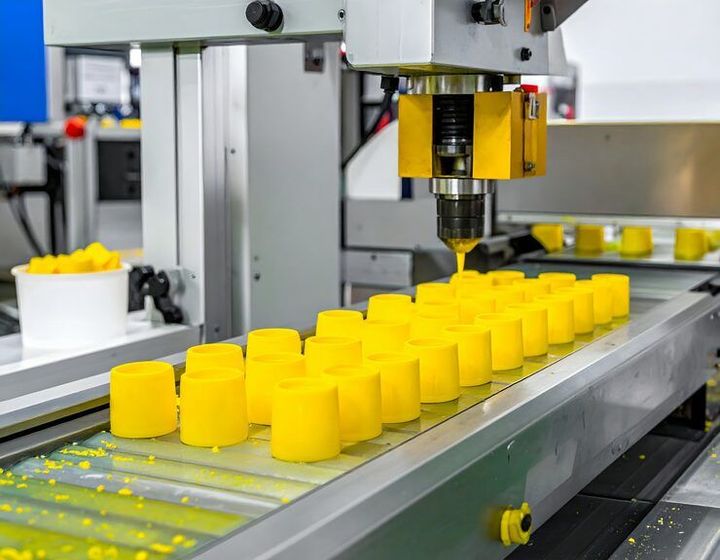
Custom Plastic Injection Molding Manufacturers Overview With Molding Technology and Engineering Information
Custom plastic injection molding manufacturers produce plastic components by shaping heated plastic material inside specially designed molds. This manufacturing method is used for everyday objects, electronic housings, automotive components, medical equipment parts, household products, and industrial equipment.
The process allows manufacturers to create parts with specific dimensions, surface finishes, shapes, and functional features.
Plastic injection molding developed alongside advances in polymer materials, metalworking, and automated manufacturing equipment. Early molding methods gradually evolved into systems that control temperature, pressure, cooling, and material flow with greater precision. Modern injection molding technology combines mechanical engineering, computer controls, mold design, and material science.
Custom plastic injection molding manufacturers work from product drawings, digital models, physical samples, or engineering specifications. These details help determine the mold structure, plastic material, production method, and inspection requirements. The finished component depends on several connected factors, including mold geometry, machine settings, material characteristics, and cooling conditions.
How Plastic Injection Molding Works
The process begins when plastic pellets enter a machine hopper. A rotating screw moves the pellets through a heated barrel, where they soften and melt. The machine then injects the molten plastic into a closed mold under controlled pressure.
After filling, the plastic cools and solidifies into the required shape. The mold opens, and an ejection system removes the finished component. The machine can then repeat the cycle.
The main stages include:
Material preparation and feeding
Heating and plastic melting
Injection into the mold cavity
Cooling and solidification
Component ejection and inspection
Each stage influences the dimensions, appearance, strength, and consistency of the final part.
Common Plastic Materials
Material selection depends on the component's intended function, operating environment, flexibility, and exposure to heat or chemicals.
Plastic material | Common characteristics | Typical applications |
|---|---|---|
Polypropylene (PP) | Lightweight and chemically resistant | Containers, caps, household components |
Acrylonitrile butadiene styrene (ABS) | Impact resistance and surface quality | Electronic housings, appliance parts |
Polyethylene (PE) | Moisture resistance and flexibility in many grades | Storage products, lids, fittings |
Polycarbonate (PC) | Transparency and impact resistance in suitable grades | Protective covers, optical components |
Nylon (PA) | Strength and wear resistance in suitable grades | Gears, clips, mechanical components |
Polyethylene terephthalate (PET) | Strength and barrier properties in suitable forms | Packaging components and containers |
Material grades differ in their performance characteristics. Engineers consider shrinkage, moisture sensitivity, processing temperatures, mechanical loads, and compatibility with the intended application before finalizing a material.
Importance
Custom plastic injection molding manufacturers support industries that require repeatable components in defined shapes and quantities. The method can produce complex geometries, including ribs, mounting points, snap-fit connections, and textured surfaces. These features may reduce the need for additional assembly operations when they are incorporated appropriately into the design.
The process affects product designers, engineering teams, manufacturers, distributors, and consumers. Consistent component dimensions help assemblies fit together correctly, while suitable material selection can improve durability and performance in the intended environment.
Applications Across Different Industries
Plastic injection molding is used in many sectors because plastic components can be designed for different mechanical, electrical, and environmental requirements.
Automotive manufacturing uses molded clips, interior panels, connectors, and protective housings.
Electronics manufacturing uses enclosures, switches, insulation components, and cable management parts.
Healthcare equipment manufacturing uses selected plastic components for instrument housings, trays, and equipment structures.
Consumer product manufacturing uses handles, closures, kitchen accessories, and appliance components.
Industrial engineering uses molded gears, protective covers, brackets, and equipment fittings.
Requirements differ between applications. A decorative household component may prioritize surface appearance, while a mechanical part may require dimensional stability and resistance to repeated loading.
Engineering Challenges and Quality Control
Injection molding involves several technical challenges. Uneven cooling can cause warping, while trapped air can produce surface defects or incomplete filling. Excessive or insufficient injection pressure may also affect the finished component.
Custom plastic injection molding manufacturers use inspection procedures to identify these issues. Depending on the application, quality checks may include dimensional measurements, visual inspections, mechanical testing, and verification against approved drawings.
Important design considerations include wall thickness, draft angles, corner radii, gate placement, and the location of ejector pins. Uniform wall thickness can support more consistent cooling, while appropriate draft angles help the component release from the mold.
Recent Updates
Recent developments in plastic injection molding emphasize automation, process monitoring, material efficiency, and improved manufacturing data. Digital engineering tools and modern machine controls allow production teams to monitor process conditions and identify variations during manufacturing.
Automation and Smart Manufacturing
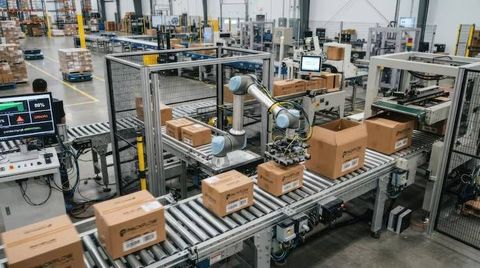
Automated systems increasingly support component removal, material handling, inspection, and packaging. Sensors can monitor variables such as barrel temperature, injection pressure, cycle duration, and mold temperature. These measurements help engineers identify unusual operating conditions and investigate potential defects.
Computer-based monitoring can also support process documentation and production planning. However, automated systems still require suitable setup, maintenance, calibration, and human oversight.
Advances in Mold Design
Computer-aided design (CAD) and computer-aided engineering (CAE) tools help engineers examine how plastic flows through a mold before manufacturing begins. Simulation can identify potential air traps, weld lines, uneven filling, and cooling problems.
Modern mold designs may incorporate conformal cooling channels, which follow the shape of selected mold surfaces more closely than conventional straight channels. Depending on the design, these channels can improve temperature distribution and shorten cooling cycles.
Recycled Materials and Manufacturing Efficiency
Manufacturers are examining ways to incorporate recycled polymers and reduce material waste. The suitability of recycled plastic depends on its composition, processing history, contamination level, and required performance.
Other developments include improved energy monitoring, optimized machine settings, and material recovery practices. Regrinding production scrap may be appropriate for certain applications, but the permitted proportion depends on material specifications and product requirements.
Development | Engineering purpose | Important consideration |
|---|---|---|
Automated inspection | Identify defects and dimensional variations | Inspection accuracy and calibration |
Mold flow simulation | Examine filling and cooling behavior | Accuracy of material and process inputs |
Recycled polymers | Reduce reliance on some virgin materials | Consistency and performance requirements |
Electric injection machines | Control machine movements and energy use | Application and operating conditions |
Digital process monitoring | Record production conditions | Data quality and equipment integration |
These developments reflect a broader movement toward connected, measurable, and resource-conscious manufacturing rather than a single universal production method.
Laws or Policies
Plastic injection molding manufacturers must consider the laws and technical requirements applicable to their location, industry, materials, and intended markets. Rules can cover workplace safety, machinery operation, environmental protection, chemical handling, product quality, and waste management.
Manufacturing and Workplace Safety
Injection molding machines operate with high temperatures, moving mechanical components, and substantial clamping forces. Workplace procedures commonly address machine guarding, emergency stops, maintenance isolation, operator training, and safe handling of heated materials.
Manufacturers must identify the occupational safety requirements that apply in their jurisdiction. Equipment installation, electrical systems, ventilation, and maintenance practices may also be subject to relevant technical standards.
Environmental and Material Requirements
Plastic processing can generate production scrap, packaging waste, and emissions associated with certain materials or operations. Applicable environmental rules may establish requirements for waste segregation, disposal, recycling, pollution control, and recordkeeping.
In India, manufacturing facilities may need to consider applicable requirements administered by the Central Pollution Control Board and relevant State Pollution Control Boards. Plastic waste management and extended producer responsibility obligations can apply to particular businesses and activities, depending on their roles and the regulations in force.
Product-Specific Standards
Some components require additional controls because of their intended use. Food-contact products may need to meet applicable material and migration requirements, while electrical components may require insulation or flammability testing. Medical applications can involve more extensive material, cleanliness, traceability, and quality management requirements.
Manufacturers should establish the applicable requirements before selecting materials or beginning production. Compliance depends on the specific product, manufacturing location, and destination market.
Tools and Resources
Several engineering tools help custom plastic injection molding manufacturers plan production, evaluate designs, and maintain quality.
Design and Simulation Software
CAD software is used to create three-dimensional component and mold models. CAE and mold flow simulation tools examine material movement, pressure distribution, cooling, and potential defects. These systems help engineers evaluate design changes before committing to mold production.
Production Monitoring and Inspection Equipment
Common tools include temperature sensors, pressure sensors, dimensional measuring instruments, weighing equipment, and coordinate measuring machines. Optical inspection systems can assess selected dimensions or surface characteristics, depending on the equipment and inspection method.
Material Selection and Process Planning
Material datasheets provide information about melt flow, shrinkage, density, moisture sensitivity, and mechanical properties. Processing guidelines help establish suitable operating ranges, although actual settings must be validated for the machine, mold, and material grade.
Production planning may also use cycle-time calculations, mold maintenance schedules, material tracking records, and inspection templates. These resources support consistent manufacturing and help identify areas where process adjustments may be necessary.
FAQs
What do custom plastic injection molding manufacturers do?
Custom plastic injection molding manufacturers produce plastic components using molds designed for particular shapes and specifications. Their activities may include design evaluation, mold development, material selection, production, finishing, and quality inspection.
Which plastic materials are used in injection molding?
Common materials include polypropylene, ABS, polyethylene, polycarbonate, nylon, and selected grades of PET. The appropriate choice depends on mechanical strength, temperature exposure, chemical resistance, appearance, and regulatory requirements.
How does custom plastic injection molding technology work?
The process melts plastic pellets, injects the material into a closed mold, and allows it to cool before ejecting the finished part. Machine settings, mold design, material properties, and cooling conditions influence the result.
What factors affect plastic injection molding quality?
Important factors include mold geometry, material consistency, injection pressure, melt temperature, cooling time, and machine condition. Inspection methods and process monitoring help identify defects such as warping, short shots, flash, and sink marks.
How are custom plastic injection molding manufacturers evaluated?
Evaluation commonly considers engineering capabilities, material knowledge, mold design experience, quality control procedures, equipment suitability, production capacity, and documentation practices. Requirements vary according to component complexity and the intended application.
Conclusion
Custom plastic injection molding manufacturers combine material science, mold engineering, machine control, and quality inspection to produce components for numerous industries. Product design, plastic selection, cooling behavior, and manufacturing conditions all influence component performance. Automation, simulation software, and material efficiency initiatives continue to shape current molding practices. Applicable safety, environmental, and product requirements also remain important considerations throughout the manufacturing process.