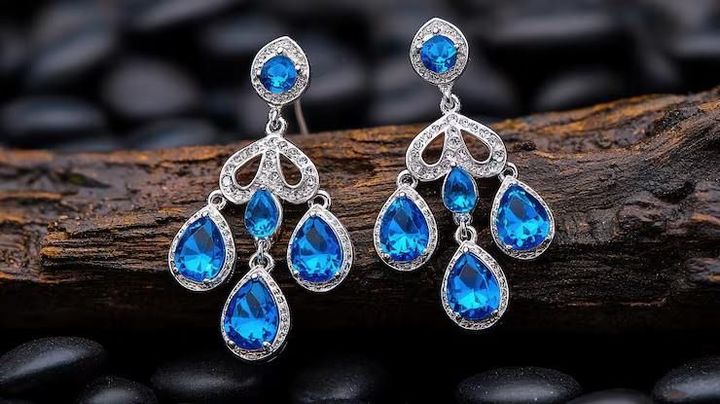
Explore Ice Blue Diamond Earrings With Color, Clarity, and Craftsmanship Details
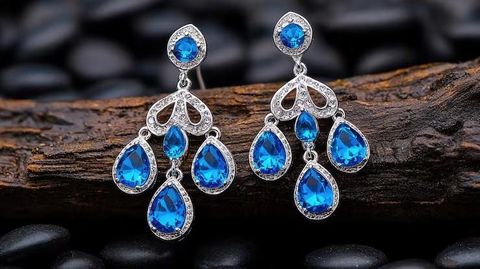
Ice blue diamond earrings are jewelry pieces featuring diamonds with a pale blue or icy blue appearance. Their color can range from nearly transparent blue to a more noticeable cool-toned shade.
These earrings combine the natural characteristics of diamonds with metal settings and carefully shaped designs, creating jewelry suited to everyday wear, formal occasions, and personal collections.
Diamonds form naturally under high pressure and temperature deep within the Earth over long geological periods. Their appearance depends on several characteristics, including chemical composition, internal structure, crystal formation, and the way light interacts with the stone. Blue diamonds are associated with trace amounts of boron within the crystal structure, although the appearance of individual stones varies according to their specific properties.
The term ice blue is generally a descriptive jewelry term rather than a universally standardized diamond color grade. It may refer to natural blue diamonds, treated diamonds, or laboratory-grown diamonds with a light blue appearance. Understanding these distinctions helps readers interpret product descriptions and compare jewelry accurately.
What Gives Ice Blue Diamonds Their Color?
Diamond color develops through different physical and chemical processes. In natural blue diamonds, boron can influence how the crystal absorbs visible light, producing blue coloration. Other pale blue diamonds may acquire their appearance through laboratory treatments or controlled growth processes.
The intensity of the color affects the overall impression of the earrings. Very light blue stones may appear almost colorless in bright lighting, while deeper blue stones can display a more noticeable hue.
Common Types of Ice Blue Diamond Earrings
Ice blue diamond earrings are available in several forms, depending on the stone's origin, design, and setting.
Natural blue diamond earrings contain diamonds formed naturally and displaying blue coloration.
Color-treated diamond earrings use diamonds whose appearance has been altered through an approved treatment process.
Laboratory-grown blue diamond earrings contain diamonds created in controlled environments, with properties that can closely resemble those of natural diamonds.
Blue gemstone earrings may use other materials that resemble diamonds visually but have different chemical compositions and physical properties.
These categories are not interchangeable. Clear information about origin, treatment, and material composition is important when evaluating an individual piece.
Importance
Ice blue diamond earrings appeal to people who prefer subtle color rather than the traditional appearance of colorless diamonds. Their cool tones can complement silver-colored metals, white gold, platinum, and other neutral materials. Depending on the shade and design, they can also coordinate with darker clothing, pastel colors, and formal outfits.
Understanding diamond characteristics is important because photographs and short product descriptions do not always communicate how a stone appears in person. Lighting, camera settings, background colors, and the surrounding metal can influence the perceived shade.
Why Color and Clarity Matter
Color determines the visual character of an ice blue diamond, while clarity describes the presence of internal characteristics called inclusions and external characteristics called blemishes. These features develop during crystal formation or result from later processes.
A stone with fewer visible inclusions may appear cleaner, but clarity grades alone do not determine the overall appearance of an earring. The size, location, and visibility of inclusions also matter. In small earrings, some clarity differences may be difficult to notice without magnification.
How Cut and Craftsmanship Influence Appearance
Diamond cut refers to the proportions, symmetry, and finishing that influence how a stone interacts with light. It is different from shape, which describes the outline of the diamond, such as round, oval, pear, or princess.
Craftsmanship also involves the setting, alignment, finishing, and security of the stones. Prongs must hold the diamonds firmly, while the surrounding metal should have smooth edges and a balanced finish. Poor alignment or an unsuitable setting can affect both the appearance and practical wearability of the earrings.
Comparing Important Diamond Characteristics
The following table explains the main features readers may encounter when exploring ice blue diamond earrings.
Characteristic | What It Describes | Why It Matters |
|---|---|---|
Color | Blue hue and intensity | Determines the overall appearance |
Clarity | Internal inclusions and surface blemishes | Helps assess visible characteristics |
Cut | Proportions and light performance | Influences brightness and sparkle |
Shape | Outline of the diamond | Defines the design style |
Origin | Natural, treated, or laboratory-grown | Clarifies how the stone was produced |
Setting | How the diamond is held in the metal | Influences security and appearance |
Metal | Gold, platinum, or another material | Affects durability, color coordination, and maintenance |
Recent Updates
Current Trends in Blue Diamond Jewelry
Recent jewelry trends have increasingly emphasized individual style, colored gemstones, transparent material descriptions, and differences between natural and laboratory-grown diamonds. Ice blue diamond earrings fit within this broader interest because their color offers an alternative to conventional colorless stones.
Design preferences include compact studs, delicate drop earrings, halo settings, and geometric arrangements. Minimalist designs place more visual attention on the center stone, while halo settings surround it with smaller stones that create a different visual effect.
There is no single design trend that applies to every market. Preferences vary by age group, cultural background, occasion, and individual style.
Greater Attention to Diamond Origin
Consumers have become more interested in understanding whether diamonds are natural, laboratory-grown, or treated. These distinctions are particularly relevant for blue diamonds because similar-looking stones can have different origins and production histories.
Written grading reports and clear descriptions can help explain these differences. However, not every diamond comes with an independent laboratory report, and the presence of a report should be assessed alongside its issuer, scope, and identifying details.
Changes in Design and Manufacturing
Modern jewelry manufacturing combines traditional hand-finishing techniques with computer-aided design and precision equipment. Digital design tools can help manufacturers plan stone placement, check proportions, and develop consistent settings.
Laboratory-grown diamonds have also expanded the range of diamond materials available for colored jewelry. Their appearance and properties depend on the growth process and any subsequent treatment. These developments provide additional design possibilities without eliminating the need to evaluate each stone individually.
Laws or Policies
Diamond Disclosure and Consumer Information
Rules governing jewelry descriptions differ between countries and markets. Many consumer protection systems require product information to be accurate and prohibit materially misleading descriptions. Diamond terminology, origin statements, and treatment disclosures may also be subject to specific industry guidance or national requirements.
Descriptions such as natural, laboratory-grown, treated, and imitation refer to different material characteristics. A laboratory-grown diamond is a diamond, whereas a simulant is a different material designed to resemble one. Clear terminology helps prevent confusion between these categories.
Grading Reports and Identification
Independent gemological laboratories may examine diamonds and document characteristics such as color, clarity, measurements, and identifying features. The exact information included depends on the laboratory, the report type, and the stone being examined.
A grading report is not the same as a guarantee of future market value. Readers should also check whether the report identifies treatments, describes the diamond's origin, or addresses the specific characteristics relevant to the purchase.
Metal Purity and Product Marking
Jewelry marking requirements vary according to the jurisdiction and type of metal. In some markets, precious-metal articles are subject to fineness standards, hallmarking rules, or other identification requirements.
For ice blue diamond earrings, the metal specification should be considered separately from the diamond description. A detailed product record may identify the metal, its purity, the number of stones, the stated carat weight, and any relevant treatment information.
Tools and Resources
Diamond Grading and Comparison Tools
Several types of resources can help readers understand ice blue diamond earrings without relying entirely on photographs or brief descriptions.
Diamond grading reports explain documented characteristics of individual stones.
Jewelry specification sheets provide information about diamond origin, carat weight, color, clarity, and setting materials.
Diamond measurement tools help compare dimensions and proportions.
Gemological reference guides explain the differences between natural diamonds, laboratory-grown diamonds, treated stones, and simulants.
Jewelry care guides describe appropriate cleaning, storage, and inspection practices.
These resources are most useful when their information is specific to the diamond or jewelry piece being evaluated.
Understanding Carat Weight and Measurements
Carat measures a diamond's weight, not its visible size. Two diamonds with the same carat weight can appear different because of their shape, proportions, and setting. For earrings, it is also important to distinguish between the total carat weight of both earrings and the weight of each individual stone.
For example, a pair described as having 0.50 total carat weight might contain two diamonds of approximately 0.25 carat each. Actual measurements can vary, and the product specifications should clarify how the weight is distributed.
Jewelry Maintenance and Inspection
Regular inspection helps identify loose settings, damaged clasps, and other issues that can affect wearability. Earrings should be stored separately where practical to reduce scratching and tangling.
Cleaning methods should suit the diamond, metal, and setting. Some jewelry may require professional assessment before ultrasonic or steam cleaning, particularly if it contains treated stones, delicate components, or fragile settings.
FAQs
What Are Ice Blue Diamond Earrings?
Ice blue diamond earrings feature diamonds with a pale or cool blue appearance. The stones may be natural, laboratory-grown, or color-treated, so their origin and treatment should be clearly identified.
How Do Color and Clarity Affect Ice Blue Diamond Earrings?
Color influences the visible blue shade, while clarity describes internal and external characteristics. Both affect appearance, but cut quality, lighting, stone size, and setting design also influence how the earrings look.
Are Laboratory-Grown Ice Blue Diamonds Real Diamonds?
Yes. Laboratory-grown diamonds have the same fundamental crystal structure and chemical composition as natural diamonds. Their origin differs, and individual stones may vary in color, growth characteristics, and treatment history.
How Can Natural Blue Diamonds Be Distinguished From Treated Diamonds?
Visual inspection alone may not reliably establish a diamond's origin or treatment history. An appropriate gemological examination and documentation from a qualified laboratory can help clarify these characteristics.
How Should Ice Blue Diamond Earrings Be Maintained?
Clean them using a method appropriate for the stones and setting, and store them separately to reduce scratches. Periodic inspection can help identify loose stones or worn components before further damage occurs.
Conclusion
Ice blue diamond earrings combine a distinctive cool-toned appearance with several important considerations, including color, clarity, cut, origin, and craftsmanship. Natural, laboratory-grown, and treated diamonds can look similar while differing in their formation and treatment history. Accurate descriptions, suitable grading documentation, and attention to setting quality help explain the characteristics of each piece. Understanding these factors provides a clearer foundation for evaluating blue diamond jewelry.