Learn About Marquise Cut Diamonds, Their Features, Benefits, and Styles
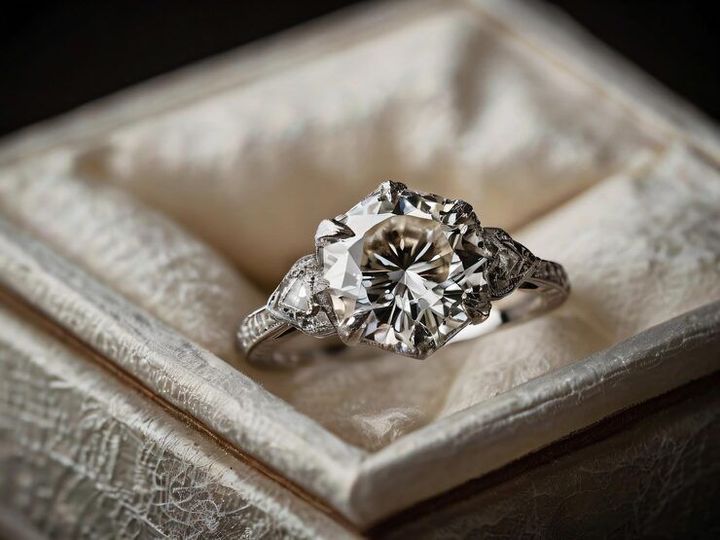
Marquise cut diamonds are known for their elongated shape and pointed ends. Also called navette diamonds, they have a distinctive outline that resembles a narrow oval with sharp tips.
This shape creates a different appearance from round, princess, oval, or emerald cut diamonds and is used in rings, necklaces, earrings, and other jewellery designs.
The marquise cut has historical roots in European jewellery traditions. It is commonly associated with the French royal court and the diamond shapes popularized during the reign of King Louis XV. Over time, the design developed into a recognizable diamond cut valued for its curved sides, pointed ends, and elongated proportions.
A marquise cut diamond is created by shaping a rough diamond into an elongated form with a series of carefully arranged facets. These facets are intended to reflect light and produce brightness, sparkle, and contrast. The final appearance depends on the diamond's proportions, symmetry, clarity, colour, and cutting quality.
What Makes a Marquise Cut Diamond Different?
The defining feature of a marquise diamond is its pointed shape. Unlike a round diamond, which has a circular outline, the marquise cut extends lengthwise and tapers at both ends. Its narrow profile can create the visual impression of a longer finger when worn in a ring.
The cut typically features a brilliant-style faceting pattern designed to reflect light. However, the amount of sparkle varies according to the diamond's cut quality and proportions. The two pointed tips also require careful handling because they may be more vulnerable to chipping than rounded edges.
Common Marquise Diamond Proportions
The length-to-width ratio helps describe the overall appearance of a marquise cut diamond. A higher ratio creates a longer, narrower outline, while a lower ratio produces a fuller shape.
| Length-to-width ratio | General appearance |
|---|---|
| Below 1.70 | Wider and fuller |
| 1.70–1.85 | Moderately elongated |
| 1.85–2.00 | Long and narrow |
| Above 2.00 | Very elongated |
These ranges are general visual guidelines rather than strict grading rules. Personal preference and the diamond's overall proportions determine which shape looks balanced.
Importance
Marquise cut diamonds remain relevant because they combine a distinctive outline with versatility across different jewellery styles. Their elongated shape appeals to people who prefer designs that look different from traditional round diamond jewellery. They can also complement both vintage-inspired settings and contemporary designs.
Understanding this cut matters when comparing diamond shapes, selecting jewellery, or evaluating the appearance of a stone. Two marquise diamonds with similar carat weights can look noticeably different because their proportions, facet patterns, and settings affect how they appear.
Benefits of Marquise Cut Diamonds
Several characteristics explain the continued interest in this diamond shape.
Elongated appearance: The lengthwise shape can make a diamond appear larger from above than some other cuts with the same carat weight.
Distinctive outline: The pointed ends and curved sides create a recognizable appearance that differs from round and square diamond shapes.
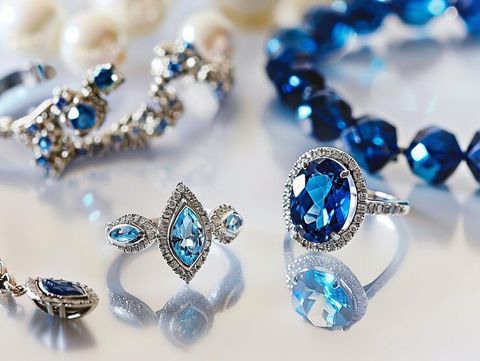
Design flexibility: Marquise diamonds can be used in solitaire rings, halo settings, pendants, and decorative earrings.
Varied styling options: The stone can be positioned vertically, horizontally, or diagonally, depending on the jewellery design.
Vintage and modern appeal: Its historical associations suit traditional jewellery, while simple settings can create a contemporary look.
These characteristics describe visual and design possibilities rather than guaranteed results. The actual appearance depends on the individual stone and its setting.
Challenges to Consider
The pointed tips are among the most important features to assess. They may be exposed to knocks or pressure, particularly when a ring setting leaves them unprotected. Protective prongs or a bezel-style setting can help shield these areas.
Marquise diamonds can also display a visual effect known as a bow-tie. This appears as a darker, bow-shaped area across the centre of the stone when light is not reflected evenly. The effect varies between diamonds, so examining the stone under different lighting conditions can help establish whether it is noticeable.
Recent Updates
The marquise cut diamond market continues to reflect broader changes in jewellery design, consumer preferences, and diamond production. Recent interest in distinctive silhouettes, vintage-inspired rings, and personalized jewellery has helped maintain attention on elongated diamond shapes. Marquise designs can fit these preferences without requiring an elaborate setting.
Jewellery Design Trends
Contemporary jewellery often combines traditional diamond shapes with cleaner settings and mixed design elements. Marquise diamonds appear in minimalist solitaire rings, east-west settings, floral arrangements, and multi-stone designs.
The east-west setting positions the diamond horizontally across a ring rather than vertically along the finger. This arrangement gives the traditional marquise shape a different visual character and can suit people who prefer unconventional jewellery.
Another continuing trend is the use of lab-grown diamonds. These stones are created in controlled environments and have essentially the same chemical composition and crystal structure as natural diamonds. Their origin differs, but both types can be cut into marquise shapes.
Natural and Lab-Grown Marquise Diamonds
Natural diamonds form through geological processes over long periods, while lab-grown diamonds are produced using specialized technological methods. Both can display the same range of diamond cuts, including marquise, oval, and round.
The distinction concerns origin rather than the shape itself. Jewellery descriptions and grading documentation should identify the diamond's type accurately so that consumers can understand what they are viewing.
Other areas of interest include improved digital viewing tools, high-resolution jewellery photography, and virtual ring previews. These tools help people compare proportions and settings before examining a finished piece in person. However, screen images may not accurately reproduce a diamond's sparkle, colour, or transparency under every lighting condition.
Laws or Policies
Rules affecting marquise cut diamonds depend on the country where the diamond is produced, graded, imported, or sold. In India, consumer protection, hallmarking requirements for applicable jewellery, import rules, and diamond disclosure practices form part of the wider regulatory environment.
Diamond Grading and Disclosure in India
The Bureau of Indian Standards (BIS) oversees hallmarking requirements for specified categories of gold and silver jewellery. Hallmarking primarily concerns the purity of the relevant precious metal; it is not, by itself, a certification of a diamond's cut, clarity, colour, or carat weight.
Diamond grading reports from recognized gemological laboratories may describe characteristics such as carat weight, colour, clarity, measurements, and cutting proportions. The exact information depends on the laboratory and report type. A grading report should not be confused with a guarantee of durability or future market value.
Consumer Protection and Accurate Descriptions
India's Consumer Protection Act, 2019, and the Consumer Protection Act's associated rules and guidelines address misleading representations and unfair trade practices. Jewellery descriptions should accurately distinguish natural diamonds from lab-grown diamonds and avoid unsupported statements about quality, origin, or characteristics.
When comparing marquise diamond jewellery, relevant details include:
Whether the diamond is natural or lab-grown.
The stated carat weight and measurements.
Available grading documentation.
The metal type and purity, where applicable.
The setting design and protection around the pointed ends.
Import and taxation requirements may also apply to diamonds and finished jewellery. Their application depends on the product, transaction, and current regulations. This overview is general information rather than legal or professional advice.
Tools and Resources
Several tools can help readers understand marquise cut diamonds and compare their physical characteristics. Using more than one source of information can provide a clearer picture of the stone's shape, documentation, and suitability for a particular design.
Diamond Measurement and Comparison Tools
Diamond proportion calculators use measurements such as length and width to calculate a length-to-width ratio. This ratio offers a simple way to compare whether a marquise diamond has a broad, balanced, or narrow outline.
Online diamond viewers and jewellery configurators allow users to examine different ring settings, metal colours, and stone orientations. These visual tools can help illustrate design differences, although they cannot fully reproduce real-world light performance.
Grading Reports and Jewellery Documentation
Gemological grading reports provide structured information about a diamond's identifying characteristics. Depending on the laboratory, reports may include measurements, diagrams, clarity information, colour grades, and other details.
Useful resources include:
Gemological Institute of America (GIA): Educational material about diamond shapes, grading, and gemstone characteristics.
International Gemological Institute (IGI): Diamond grading information and report-related resources.
Bureau of Indian Standards (BIS): Information about hallmarking and applicable precious-metal standards in India.
Diamond proportion calculators: Tools for comparing length-to-width ratios using stated measurements.
Jewellery design viewers: Digital previews of marquise diamonds in solitaire, halo, and east-west settings.
When reviewing documentation, confirm that the report corresponds to the specific diamond being examined. Digital previews and written specifications are useful references, but they do not replace an assessment of the individual stone's appearance and condition.
FAQs
What Is a Marquise Cut Diamond?
A marquise cut diamond has an elongated outline with two pointed ends and curved sides. Its brilliant-style facets are designed to reflect light, while its proportions determine whether it appears broad or narrow.
What Are the Benefits of Marquise Cut Diamonds?
Marquise cut diamonds provide an elongated appearance, distinctive styling, and flexibility across different jewellery designs. Their shape may also create a larger face-up appearance relative to carat weight, depending on the stone's proportions.
Are Marquise Cut Diamonds More Prone to Damage?
The pointed tips can be more vulnerable to chipping than rounded edges. A protective setting, careful handling, and periodic inspection can help reduce the risk of damage.
What Is the Bow-Tie Effect in a Marquise Diamond?
The bow-tie effect is a dark, bow-shaped area that may appear across the centre of an elongated diamond. Its visibility depends on the stone's cut and light performance, and it can vary under different viewing conditions.
How Do Natural and Lab-Grown Marquise Diamonds Differ?
Natural marquise diamonds form through geological processes, while lab-grown marquise diamonds are produced using technological methods. Both have essentially the same chemical composition and crystal structure, although their origins and market characteristics differ.
Conclusion
Marquise cut diamonds are distinguished by their elongated shape, curved sides, and pointed ends. Their proportions, faceting, and setting influence their appearance, sparkle, and practical durability. Current jewellery designs include traditional vertical settings, horizontal arrangements, vintage-inspired styles, and lab-grown diamond options. Understanding diamond measurements, grading documentation, protective settings, and relevant consumer rules provides useful context for evaluating this distinctive diamond shape.