Ruby Necklaces Guide to Elegant Styles, Gemstone Features, and Design Details
Ruby necklaces combine the rich red appearance of ruby gemstones with decorative metalwork to create jewelry designed around the neck. Ruby is a variety of the mineral corundum, with its red color generally associated with chromium.
The same mineral family includes sapphire, although the term ruby is specifically used for red corundum.
Ruby jewelry has a long history across different cultures. Red gemstones have been associated with ceremonial jewelry, royal adornment, personal ornaments, and cultural traditions for centuries. Modern ruby necklaces continue these traditions while incorporating contemporary metalwork, gemstone cutting, and computer-assisted design.
A ruby necklace can contain one central gemstone, several matching stones, or a combination of ruby and other gemstones. Designs range from simple pendants to elaborate necklaces containing multiple stones arranged in repeating patterns.
The appearance of a ruby necklace depends on several factors. Ruby color, transparency, clarity, cut, size, treatment, setting, metal type, and overall necklace structure all contribute to the finished design.
Understanding Ruby as a Gemstone
Ruby belongs to the corundum mineral family. Pure corundum is generally colorless, while trace elements can produce different colors. Chromium is associated with the red color characteristic of ruby.
Natural rubies can contain internal features known as inclusions. These may appear as fine lines, mineral crystals, clouds, or other structures. Some inclusions can provide information about the gemstone's formation and origin.
Ruby is also a relatively hard gemstone. Its hardness makes it suitable for many jewelry applications, although hardness does not mean complete resistance to impact, abrasion, or damage.
Common Ruby Necklace Designs
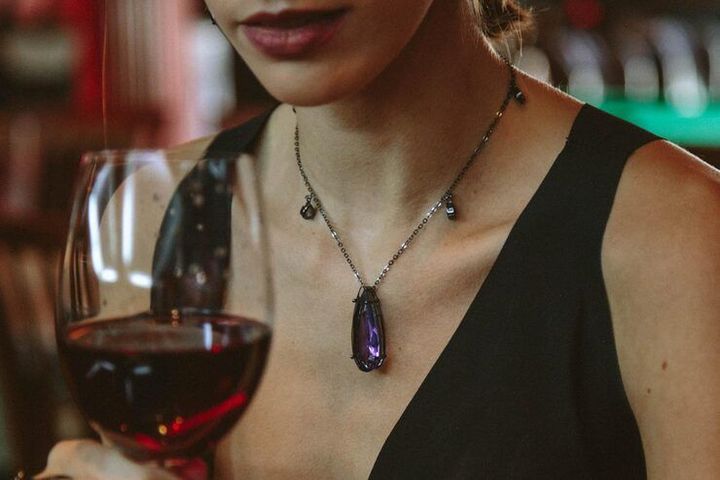
Ruby necklaces can be designed around different visual structures. A pendant necklace may feature one prominent ruby suspended from a chain, while a station necklace can distribute several gemstones along the chain.
Other styles include:
Solitaire ruby pendants with one central stone
Cluster necklaces containing several rubies
Halo designs with surrounding gemstones
Ruby and diamond combinations
Multi-stone necklaces with repeating patterns
Beaded ruby necklaces using polished gemstone pieces
Geometric designs using modern metal structures
The design affects how the ruby interacts with light, clothing, other jewelry, and the overall neckline.
Importance
Understanding ruby necklaces involves more than identifying a red gemstone. Readers may encounter differences in gemstone origin, treatment, color, clarity, cutting style, metal composition, and setting construction.
These characteristics can help explain why two necklaces with similar visual proportions may have substantially different specifications. A ruby's appearance should therefore be considered together with its documented characteristics and the construction of the necklace.
Ruby Color and Appearance
Color is one of the most noticeable characteristics of a ruby. Ruby colors can range from lighter red to deeper red tones, with variations influenced by the gemstone's chemical composition and structure.
Color can be described using concepts such as hue, tone, and saturation. Hue refers to the basic color family, tone describes relative lightness or darkness, and saturation indicates the strength of the color.
Lighting conditions can change how ruby color appears. A gemstone viewed under daylight, indoor lighting, or jewelry-store illumination may show somewhat different visual characteristics.
Ruby Clarity
Natural rubies commonly contain inclusions. Unlike some gemstones where high transparency is frequently emphasized, ruby identification and evaluation can involve consideration of inclusions alongside color and other characteristics.
Some inclusions are visible without magnification, while others require specialized equipment. Inclusions can affect transparency and the visual appearance of the stone.
Laboratory-created rubies can have different internal characteristics from natural rubies. Treated rubies may also show features associated with the treatment process.
Ruby Cut and Shape
Cutting determines the shape and arrangement of the gemstone's surfaces. Common ruby shapes include oval, cushion, round, pear, emerald, and cabochon forms.
Faceted rubies have multiple polished surfaces that interact with light. Cabochon rubies have smooth, curved surfaces and may display optical effects associated with particular internal structures.
The cutter has to consider the rough gemstone's shape, color distribution, inclusions, and structural characteristics when determining how to fashion it.
Necklace Settings and Metals
The setting holds the ruby in place and forms a connection between the gemstone and the necklace. Prong settings use small metal supports, while bezel settings surround part or all of the gemstone with metal.
Halo settings place smaller stones around a central ruby. Cluster settings group several gemstones together, while pendant structures may suspend a single ruby below a chain.
Common jewelry metals include:
Yellow gold
White gold
Rose gold
Platinum
Silver
Metal color changes the visual relationship between the ruby and its surroundings. Yellow gold can create a warm contrast, while white-colored metals can produce a more neutral appearance.
Recent Updates
From 2024 through 2026, ruby jewelry design has continued to combine traditional gemstone aesthetics with digital design, customized proportions, mixed gemstone arrangements, and greater attention to gemstone documentation.
Contemporary Ruby Necklace Designs
Modern ruby necklaces can combine traditional gemstone shapes with simpler geometric structures. Designers may use asymmetrical arrangements, spaced gemstones, layered pendants, or combinations of ruby with diamonds and other colored stones.
Minimal necklace structures can place attention on one ruby, while elaborate designs may distribute gemstones across a larger area. The visual effect depends on stone size, spacing, metal width, and necklace length.
Digital Jewelry Design
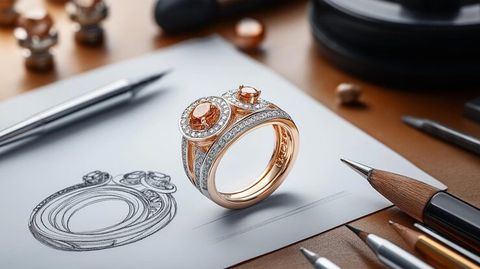
Computer-aided design has become an important part of jewelry development. Three-dimensional software allows designers to model gemstone settings, chain structures, pendant proportions, and metal thickness before production.
Digital modeling can also support customized necklace dimensions. Designers can adjust the position and size of gemstones while examining how the components interact within the finished structure.
Natural and Laboratory-Created Rubies
Both natural and laboratory-created rubies can appear in jewelry. Laboratory-created rubies have essentially the same chemical composition and crystal structure as natural rubies, although their formation environments differ.
Synthetic or laboratory-created should not be confused with imitation. An imitation material may resemble ruby visually without having the same chemical and physical properties.
Clear identification and disclosure are important when describing gemstone origin. Documentation from an appropriate gemological laboratory can provide additional information for individual stones.
Ruby Treatments
Ruby treatments are common subjects in gemstone documentation. Heat treatment can be used to modify the appearance of some rubies, while other treatments may involve filling or other processes.
Treatment can affect how a gemstone should be handled and maintained. A ruby report may identify whether evidence of treatment was detected and can provide additional information about the examined stone.
Laws or Policies
Ruby necklaces can be affected by jewelry labeling rules, gemstone disclosure requirements, precious-metal standards, consumer protection regulations, and international trade requirements. Specific rules depend on the country and the materials involved.
Gemstone Disclosure
Descriptions of ruby jewelry should distinguish natural ruby, laboratory-created ruby, and imitation materials. If a ruby has undergone a treatment that materially affects its characteristics, applicable disclosure requirements may also apply.
Terminology needs to be used accurately. A red gemstone should not automatically be described as ruby without appropriate identification.
Precious-Metal Requirements
Gold, platinum, and silver jewelry can be subject to fineness or hallmarking requirements. A fineness mark can indicate the proportion of a particular precious metal within an alloy.
Different jurisdictions use different marking systems. Some require official hallmarking, while others recognize regulated manufacturer or supplier marks.
Origin and Trade Documentation
International gemstone trade can involve documentation concerning origin, material identity, customs classification, and other information. Requirements can vary according to the countries involved and the type of material being transported.
Claims about geographic origin should be supported by appropriate documentation. Visual appearance alone cannot establish a gemstone's origin.
Tools and Resources
Several resources can help readers understand ruby necklaces and gemstone characteristics. Gemological references can explain ruby identification, color, clarity, treatments, and common internal features.
Jewelry measurement tools can help with necklace length and pendant dimensions. Digital design software can model ruby settings and necklace structures, while gemstone shape references can explain differences between oval, cushion, round, pear, and other cuts.
Useful resources include:
Gemstone identification guides
Ruby grading and examination reports
Gemstone shape charts
Jewelry measurement templates
Metal purity reference charts
Necklace length guides
Gemstone treatment references
Digital jewelry design platforms
Jewelry care instructions
Gemstone visualization tools
Jewelry construction diagrams
Laboratory gemstone reports
A simplified comparison of ruby characteristics is shown below:
| Ruby Characteristic | What It Describes | Design Relevance |
|---|---|---|
| Color | Red hue, tone, and saturation | Influences overall visual appearance |
| Clarity | Internal and surface features | Affects transparency and appearance |
| Cut | Facet arrangement or polished form | Influences light interaction |
| Shape | Outline of the gemstone | Determines design structure |
| Carat Weight | Gemstone weight | Relates to stone size and presence |
| Treatment | Processes applied to the stone | Can affect appearance and care |
| Origin | Geological or laboratory source | Provides material information |
Necklace Length and Proportion
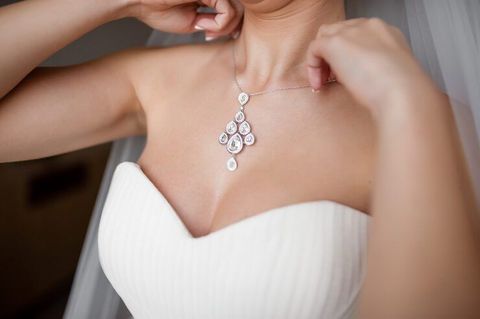
Necklace length affects how a ruby pendant sits relative to the neckline. Shorter chains generally position a pendant closer to the base of the neck, while longer designs place the gemstone farther down the chest.
Pendant size should also be considered alongside chain thickness and overall necklace proportions. A large pendant may require a different chain structure from a small ruby pendant.
There is no single appropriate length for every wearer because body proportions, clothing styles, pendant dimensions, and personal preferences differ.
Ruby Jewelry Care
Ruby jewelry should be handled according to the gemstone's characteristics and any known treatments. Although ruby has relatively high hardness, the stone and its setting can still be affected by impacts, abrasion, chemicals, or inappropriate cleaning methods.
Regular visual inspection can identify changes such as loose settings, damaged clasps, worn links, or movement of the gemstone. Cleaning methods should take into account the ruby's treatment status and the metal used in the necklace.
Storage can also help protect the piece. Keeping a ruby necklace separated from harder jewelry can reduce contact and surface scratching.
FAQs
What are ruby necklaces?
Ruby necklaces are jewelry pieces that incorporate natural, laboratory-created, or appropriately identified ruby gemstones into necklace structures. They can include pendants, clusters, repeating gemstone patterns, and ruby combinations with other stones.
What ruby characteristics should be considered in a necklace?
Important ruby characteristics include color, clarity, cut, shape, carat weight, treatment, and origin information. These factors describe different aspects of the gemstone and can influence its appearance and construction requirements.
What settings are commonly used for ruby necklaces?
Prong, bezel, halo, cluster, and pendant settings are commonly used. The appropriate setting depends on the ruby's shape, dimensions, durability, design structure, and intended use.
Are laboratory-created rubies used in ruby necklaces?
Yes. Laboratory-created rubies can be incorporated into jewelry and have the chemical and crystal characteristics of ruby, while their formation takes place in a controlled laboratory environment rather than through natural geological processes.
How should a ruby necklace be cared for?
Care depends on the ruby's characteristics, treatment, and metal setting. Avoiding unnecessary impacts and unsuitable chemicals, storing the necklace separately, and periodically checking the setting can help maintain its condition.
Conclusion
Ruby necklaces combine the distinctive red appearance of ruby with metalwork, gemstone settings, chains, and decorative design. Color, clarity, cut, shape, treatment, and origin are important characteristics when understanding individual rubies. Contemporary designs include traditional pendants, geometric structures, mixed gemstones, customized arrangements, and digitally modeled settings. Accurate gemstone disclosure, metal identification, documentation, and appropriate care are important aspects of understanding ruby jewelry.