Explore Red Carpet Diamond Chokers With Celebrity Fashion and Jewelry Insights
Red carpet diamond chokers are statement necklaces designed to sit closely around the neck, featuring diamonds arranged in decorative patterns, geometric settings, or continuous rows.
These pieces appear at film premieres, award ceremonies, fashion galas, and other formal events, where jewelry contributes to an individual's overall appearance. Their designs combine traditional gemstone craftsmanship with contemporary fashion influences.
The history of chokers extends across different cultures and historical periods. Neck-hugging ornaments have been made from metals, beads, pearls, gemstones, and textiles. Diamond chokers developed as jewelry-making techniques improved, allowing designers to create intricate arrangements that balance visual impact with comfort and structure.
Celebrity fashion has played an important role in bringing these necklaces into public attention. Actors, musicians, models, and other public figures frequently wear distinctive jewelry at major entertainment events. Photographs and fashion coverage allow audiences to examine the relationship between necklace design, clothing, hairstyles, and personal styling.
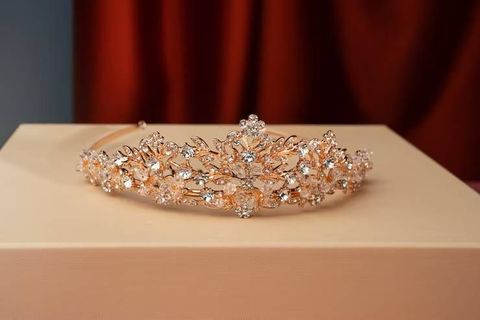
Modern red carpet diamond chokers vary considerably in appearance. Some feature closely arranged diamonds in symmetrical patterns, while others incorporate floral motifs, sculptural elements, or combinations of different gemstone shapes. Their popularity reflects an ongoing interest in jewelry that combines craftsmanship, cultural significance, and individual expression.
How diamond choker designs are created
A diamond choker typically consists of a necklace structure, gemstone settings, connecting components, and a fastening mechanism. Designers consider the curve of the neck, the distribution of weight, and the relationship between individual stones when developing a piece.
Common design characteristics include:
Diamond arrangement: Stones may form continuous rows, graduated patterns, or repeating geometric shapes.
Metal selection: Platinum, white gold, yellow gold, and other precious metals influence the appearance and structure of the necklace.
Setting techniques: Prong, bezel, and pavé settings provide different visual effects and approaches to securing gemstones.
Decorative details: Pearls, colored gemstones, engraved surfaces, and articulated sections introduce additional design elements.
These features help explain why two diamond chokers can look substantially different even when they contain similar gemstones.
Importance
Red carpet diamond chokers matter because they demonstrate how jewelry intersects with entertainment, design, craftsmanship, and cultural identity. A necklace can become a recognizable part of a public appearance, influencing fashion discussions and inspiring interpretations of similar designs. For audiences, these pieces provide accessible examples of gemstone arrangements, metalwork, and formal styling.
Celebrity jewelry also illustrates how accessories communicate visual themes. A structured diamond choker may complement a minimalist gown, while a necklace with curved motifs may create a softer appearance. The relationship between jewelry and clothing often determines whether a complete outfit appears balanced or visually crowded.
Who follows celebrity diamond jewelry
Interest in red carpet jewelry extends beyond celebrities and professional stylists. Different groups examine these pieces for different reasons.
Fashion enthusiasts study how necklaces coordinate with formal clothing, necklines, and hairstyles.
Jewelry students and designers examine gemstone settings, proportions, symmetry, and metalwork.
Collectors explore historical designs, gemstone characteristics, craftsmanship, and documented ownership.
Event stylists consider necklace weight, fastening mechanisms, movement, and comfort.
General audiences follow celebrity appearances to understand emerging jewelry trends and changing aesthetic preferences.
Practical challenges in choker styling
Despite their visual appeal, diamond chokers present several practical considerations. A necklace that sits too tightly may cause discomfort, while a loose design may shift during movement. The arrangement of gemstones and metal components also affects the overall weight and flexibility.
Neckline compatibility is another consideration. High-neck garments can obscure detailed necklaces, whereas strapless, square-neck, and open-neck designs may provide more visible space. Hair placement, earrings, and other accessories also influence how the necklace is perceived.
A useful approach to understanding choker styling is to examine the relationship between design characteristics and practical requirements.
Design characteristic | Visual effect | Practical consideration |
|---|---|---|
Single diamond row | Clean, understated appearance | Often has a relatively simple structure |
Multiple diamond rows | Dense, prominent appearance | May increase weight and rigidity |
Floral diamond motifs | Decorative, organic appearance | Requires attention to spacing and symmetry |
Geometric settings | Structured, contemporary appearance | Must follow the natural curve of the neck |
Flexible articulated sections | Fluid movement around the neck | Connections require careful inspection |
Colored gemstone accents | Contrasting color and texture | Requires coordination with other accessories |
This comparison demonstrates that appearance, comfort, and construction are closely connected in necklace design.
Recent Updates
Contemporary red carpet jewelry trends
Recent fashion coverage from 2024 through 2026 reflects continuing interest in distinctive jewelry silhouettes, archival inspiration, and personalized styling. Diamond chokers remain part of the broader statement-necklace category, although their appearance varies according to the event, designer, clothing, and individual preferences.
One noticeable direction is the combination of traditional diamond craftsmanship with modern shapes. Sculptural necklaces, asymmetrical arrangements, and architectural metalwork provide alternatives to conventional symmetrical designs. Some contemporary pieces also combine diamonds with colored gemstones or contrasting metals.
Vintage influences and contemporary styling
Archival jewelry continues to influence formal fashion. Designs inspired by Art Deco, vintage Hollywood glamour, and earlier decorative traditions introduce geometric patterns, symmetrical arrangements, and elaborate gemstone settings into contemporary appearances.
Vintage-inspired styling does not necessarily require an antique necklace. Modern jewelry can reinterpret historical motifs through updated proportions, lighter construction, or alternative metal finishes. This approach connects established design traditions with current fashion preferences.
Personalization and visual storytelling
Another continuing trend is the use of jewelry to communicate an individual aesthetic. Celebrities may wear pieces with distinctive motifs, unusual gemstone arrangements, or shapes that complement a particular outfit. Jewelry selection can also reflect the stylistic direction of a film premiere, award ceremony, or themed event.
Digital photography and social media have expanded access to these appearances. Audiences can examine necklace details across different photographs, although lighting, image editing, camera angles, and screen settings can affect the perceived size and brilliance of diamonds.
Responsible sourcing and gemstone transparency
Greater attention to gemstone origin and supply-chain transparency has also influenced jewelry discussions. Consumers, designers, and industry participants increasingly encounter questions about diamond provenance, environmental considerations, labor practices, and documentation.
Laboratory-grown diamonds are another part of the contemporary jewelry landscape. They have essentially the same chemical composition and crystal structure as mined diamonds, although their origins differ. Clear identification and accurate descriptions help distinguish gemstone characteristics from claims about sourcing or production.
These developments form part of the wider jewelry industry rather than representing changes limited to red carpet chokers.
Laws or Policies
Jewelry disclosure and consumer protection
Rules governing jewelry descriptions vary by jurisdiction. In many markets, consumer protection and advertising laws require product descriptions to be accurate and prohibit misleading statements about gemstone identity, origin, quality, or other material characteristics.
Diamond descriptions may distinguish natural diamonds from laboratory-grown diamonds and diamond simulants. These categories are not interchangeable, so accurate terminology matters when jewelry is documented, displayed, insured, or transferred between owners.
The country where a jewelry business operates may also determine requirements for hallmarking, precious-metal purity, import documentation, and commercial records. The applicable rules depend on the location and the specific transaction.
Gemstone documentation and authenticity
Documentation can help establish the characteristics of a diamond or finished necklace. Depending on the item, relevant records may include a grading report, appraisal, provenance documentation, purchase invoice, or insurance schedule.
These documents serve different purposes. A grading report describes specified gemstone characteristics, while an appraisal generally estimates value for a stated purpose and under particular assumptions. Neither document automatically establishes every aspect of a necklace's ownership history or ethical sourcing.
Intellectual property and celebrity imagery
Celebrity photographs, jewelry designs, and brand identities may be protected by intellectual property laws. Copyright can apply to photographs, while trademarks protect certain names, logos, and other identifiers. Some original jewelry designs may also qualify for design protection, depending on local law.
Editorial discussion of celebrity fashion should distinguish factual descriptions from unsupported endorsements. A celebrity wearing a necklace does not, by itself, establish that the person endorses a particular designer or gemstone supplier.
Tools and Resources
Jewelry identification and design research
Several types of resources can help readers understand red carpet diamond chokers without relying solely on appearance.
Gemstone grading reports: Documents from recognized gemological laboratories can provide information about specified diamond characteristics.
Jewelry design archives: Museum collections and historical catalogs help explain the development of choker shapes, metalwork, and gemstone settings.
Fashion photography archives: Event photographs provide examples of how necklaces interact with clothing, hairstyles, and other accessories.
Jewelry measurement guides: Neck-measurement references help explain necklace length, fit, and the relationship between choker dimensions and comfort.
Insurance documentation tools: Inventory templates help record identifying details, photographs, appraisals, and relevant ownership records.
Comparing necklace characteristics
A simple comparison worksheet can organize observations about different designs. It may include the necklace silhouette, approximate width, diamond arrangement, metal type, fastening structure, and styling context.
Readers can also compare documented gemstone details with visual observations. Photographs alone usually cannot establish diamond authenticity, precise carat weight, gemstone origin, or the full value of a necklace.
Understanding jewelry terminology
Learning common terminology makes celebrity jewelry coverage easier to interpret. Carat refers to gemstone weight, while cut describes aspects of a diamond's proportions and facet arrangement that influence its interaction with light. Clarity concerns internal characteristics and surface features, while color grading evaluates a diamond's color according to the applicable grading system.
These terms describe different characteristics and should not be treated as interchangeable measures of quality. Understanding them provides a more accurate basis for interpreting jewelry descriptions and design discussions.
FAQs
What is a red carpet diamond choker?
A red carpet diamond choker is a necklace designed to sit close to the neck and decorated with diamonds. It is commonly associated with formal entertainment events, award ceremonies, and fashion photography.
Why do celebrities wear diamond chokers?
Celebrities may wear diamond chokers to complement formal clothing, express a personal style, or create a coordinated appearance for an event. The necklace's shape, gemstone arrangement, and metal finish contribute to the overall look.
Which diamond choker designs are popular in celebrity fashion?
Common styles include single-row diamond chokers, multi-row arrangements, geometric patterns, vintage-inspired designs, and sculptural necklaces. The styles seen at particular events vary with designers' collections and individual styling choices.
How can someone identify the diamonds in a celebrity choker?
Photographs can reveal visible design features, but they cannot reliably establish gemstone authenticity, precise weight, or origin. A credible grading report or examination by a qualified gemologist may provide more dependable information about a specific diamond.
What should be considered when evaluating a diamond choker design?
Important considerations include fit, weight, flexibility, fastening security, gemstone settings, metal composition, and compatibility with clothing. Documentation is also relevant when verifying a specific necklace's materials or recorded history.
Conclusion
Red carpet diamond chokers illustrate the relationship between gemstone craftsmanship, celebrity fashion, and personal styling. Their designs range from simple diamond rows to elaborate geometric and vintage-inspired arrangements. Contemporary discussions increasingly include personalization, gemstone transparency, and responsible sourcing alongside appearance and construction. Understanding design terminology, documentation, and practical considerations provides a clearer perspective on these distinctive pieces of jewelry.