Mali Silver Earrings Information With Traditional Styles, Materials, and Design Features
Mali silver earrings are jewellery pieces associated with traditional ornamentation, regional craftsmanship, and decorative metalwork. The term “Mali” can refer to the West African country, a cultural or regional identity, or a name used in jewellery descriptions.
Therefore, the precise origin of Mali silver earrings depends on the particular design, maker, and cultural context in which the term appears.
Silver earrings have a long history across different societies. They have been worn as personal ornaments, cultural symbols, ceremonial accessories, and expressions of individual taste. Traditional designs often feature geometric shapes, engraved patterns, textured surfaces, and decorative elements inspired by nature or local artistic practices.
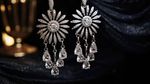
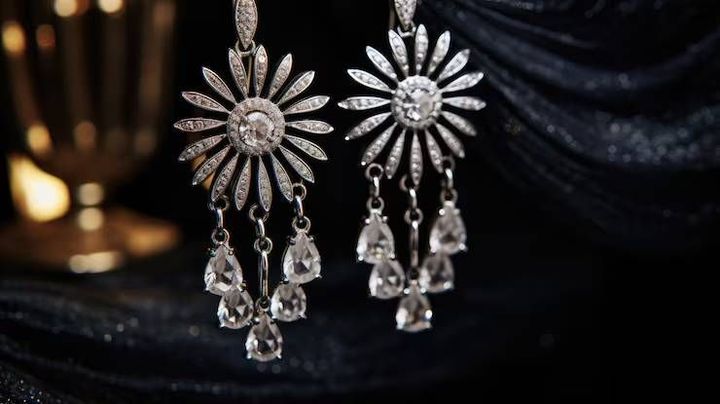
The appearance of Mali silver earrings can range from small, understated studs to large, sculptural hoops and dangling ornaments. Some designs emphasize smooth metal surfaces, while others incorporate twisted wire, raised motifs, or contrasting textures. Their construction reflects the materials, techniques, and aesthetic preferences associated with the jewellery tradition being represented.
Understanding Mali silver earrings involves examining their possible cultural background, silver composition, traditional styles, manufacturing techniques, and care requirements. These details help readers distinguish between jewellery inspired by a particular tradition and pieces whose origin and material composition have been independently verified.
Importance
Cultural Identity and Traditional Craftsmanship
Traditional silver jewellery can communicate cultural identity through its shapes, decorative patterns, and methods of construction. In many communities, earrings are associated with family traditions, celebrations, personal milestones, and ceremonial clothing.
Mali has a rich cultural history that includes metalworking and decorative arts. However, not every earring described as a Mali design necessarily originates in Mali or represents a specific ethnic tradition. Understanding the maker and documented provenance helps establish whether a particular piece has a direct cultural connection or simply draws inspiration from regional aesthetics.
Everyday Wear and Personal Expression
Mali silver earrings may appeal to people who appreciate handcrafted jewellery, distinctive silhouettes, and traditional decorative details. Their appearance can complement everyday clothing, formal outfits, and cultural garments, depending on their size, weight, and construction.
Practical considerations are important when selecting earrings for regular use. Large dangling designs may place more pressure on the earlobe than small studs, while textured surfaces and intricate fittings may require additional cleaning.
Understanding Silver Quality
The term silver jewellery does not automatically indicate a particular level of silver purity. Some pieces are made from sterling silver, while others contain different silver alloys, silver plating, or mixed metals.
The distinction matters because composition influences durability, tarnishing, skin sensitivity, and maintenance. Clear material descriptions and reliable testing information help readers understand what a piece contains rather than relying solely on its colour or traditional appearance.
Recent Updates
Contemporary Design Trends
Recent jewellery trends have continued to combine traditional visual elements with contemporary shapes and everyday styling. Mali silver earrings may be presented through minimalist forms, oversized hoops, layered designs, or detailed pendants that draw attention to metal texture and craftsmanship.
Designers and independent craftspeople also work with contrasts between polished and matte finishes. Hammered surfaces, irregular contours, and hand-finished details create visual variation without requiring coloured stones or elaborate embellishments.
Material Transparency and Craft Documentation
Jewellery descriptions increasingly emphasize material composition, manufacturing methods, and the distinction between handmade and machine-produced items. These details are relevant to traditional silver earrings because similar-looking pieces can differ substantially in their construction.
Digital product catalogues and maker profiles can provide information about workshop practices, materials, and design inspiration. However, photographs and written descriptions alone cannot conclusively establish silver purity or cultural provenance.
Sustainability and Responsible Craftsmanship
Interest in material traceability and responsible production has also influenced jewellery discussions. Recycled silver can reduce the need for newly mined material, although the environmental impact depends on collection, refining, energy use, and manufacturing processes.
Traditional craftsmanship may involve hand-forming, engraving, casting, or hammering. Contemporary workshops can combine these techniques with modern equipment to improve consistency while retaining decorative characteristics associated with handmade jewellery.
Comparison of Common Mali Silver Earring Styles
The following table outlines common earring forms that may appear in Mali-inspired or traditional silver jewellery collections. These categories describe general design characteristics rather than a verified classification unique to Mali.
Earring style | Main design features | Common construction methods | Practical consideration |
|---|---|---|---|
Silver hoops | Circular or oval outlines | Wire forming and soldering | Check diameter and weight |
Drop earrings | Hanging decorative elements | Casting, cutting, or assembly | Inspect the attachment |
Stud earrings | Small designs close to the earlobe | Casting or stamped metalwork | Examine the post material |
Engraved earrings | Lines, symbols, or repeated motifs | Hand engraving or machine engraving | Fine details need careful cleaning |
Hammered earrings | Uneven, textured surfaces | Repeated hammering | Texture can collect residue |
Filigree earrings | Fine wire arranged into patterns | Wire shaping and joining | Delicate sections may bend |
Laws or Policies
Jewellery Labelling and Material Claims
The legal requirements for silver jewellery vary by the country where a piece is manufactured, marketed, imported, or sold. Some jurisdictions establish standards for precious-metal descriptions, hallmarking, product information, and consumer protection.
A hallmark is a mark applied under an applicable identification or verification system. Depending on the jurisdiction, it may indicate metal fineness, the responsible maker, an assay authority, or another regulated detail. Its meaning should be interpreted according to the relevant national system.
Descriptions such as “sterling silver,” “solid silver,” and “silver plated” refer to different material characteristics. Sterling silver generally contains 92.5% silver, with the remainder consisting of other metals. Silver-plated jewellery instead has a surface layer of silver over another material.
Cultural Heritage and Authenticity
Traditional designs can have cultural significance, especially when motifs are connected with particular communities or ceremonial practices. Claims about an earring's origin should therefore be based on credible documentation rather than assumptions based on appearance alone.
Some countries maintain rules concerning cultural property, protected heritage objects, or the international movement of certain antiquities. Whether such rules apply depends on the object's age, classification, origin, and intended movement across borders.
Consumer Information and Product Safety
Product information can help people assess dimensions, weight, materials, fastening mechanisms, and possible allergens. Earrings containing nickel or other sensitizing metals may cause reactions in susceptible individuals, particularly when worn through pierced skin.
Relevant requirements vary between markets. Clear descriptions of metal composition and accurate origin claims support informed decisions, but the presence of a label alone does not necessarily establish that a product has undergone independent testing.
Tools and Resources
Silver Purity Reference Tools
Silver fineness charts help explain the relationship between a numerical purity mark and the proportion of silver in an alloy. For example, a 925 mark generally refers to 925 parts silver per 1,000 parts of metal, subject to the applicable marking system and the authenticity of the mark.
Such charts are useful for understanding jewellery descriptions, but they cannot verify a specific item's composition. Professional metal analysis may be needed when the material is uncertain.
Jewellery Measurement Guides
Measurement guides can help readers understand earring length, hoop diameter, post thickness, and overall weight. These dimensions are especially useful when comparing small studs with long dangling earrings.
A simple comparison checklist can include:
Overall length and width in millimetres.
Weight per earring or for the pair.
Type of fastening, such as a post, hook, or hinged closure.
Metal composition of the decorative body and fastening.
Surface finish and cleaning requirements.
Design and Craftsmanship References
Museum collections, jewellery history books, craft documentation, and cultural heritage publications can help explain the background of traditional metalwork. When researching Mali silver earrings, sources that identify the maker, community, location, and production method are more informative than descriptions based only on visual style.
Care and Maintenance Materials
Soft jewellery cloths, suitable storage containers, and material-specific cleaning instructions can support routine care. Silver naturally reacts with substances in the environment, producing tarnish that can change its surface appearance over time.
Storage in a dry environment and separation from harder jewellery pieces can reduce scratches and unnecessary exposure to moisture. Intricate or antique earrings may require specialist assessment before cleaning, particularly when they contain delicate attachments or mixed materials.
FAQs
What Are Mali Silver Earrings?
Mali silver earrings are earrings described as having a connection with Mali, a Mali-inspired aesthetic, or a particular jewellery naming tradition. Their exact cultural origin and material composition depend on the individual piece and its documentation.
Are Mali Silver Earrings Made From Sterling Silver?
Some may be made from sterling silver, which generally contains 92.5% silver. Others may use different alloys or silver plating, so the material description and any applicable verification marks should be examined.
What Traditional Styles Are Common in Mali Silver Earrings?
Common forms in traditional and Mali-inspired silver jewellery include hoops, dangling ornaments, engraved surfaces, hammered textures, and geometric patterns. These styles are not exclusive to Mali, and individual designs may reflect different cultural influences.
How Should Mali Silver Earrings Be Cleaned?
Cleaning depends on the silver composition, surface finish, and decorative details. A soft jewellery cloth is suitable for many uncomplicated silver pieces, while intricate, antique, or mixed-material earrings may need specialised care.
How Can Silver Purity Be Checked?
A hallmark or purity stamp can provide an initial indication, but it is not conclusive proof of composition. Professional testing can provide more reliable information when the metal content needs to be established.
Conclusion
Mali silver earrings combine decorative metalwork with design traditions that may reflect regional influences, contemporary styling, or individual craftsmanship. Their characteristics vary according to shape, silver composition, surface treatment, fastening method, and documented origin. Understanding these factors helps distinguish sterling silver from plated materials and traditional references from verified cultural provenance. Proper handling, suitable storage, and material-appropriate cleaning help preserve the appearance and structure of silver earrings over time.