Blue Sapphire Jewellery Information With Quality, Settings, and Style Guide
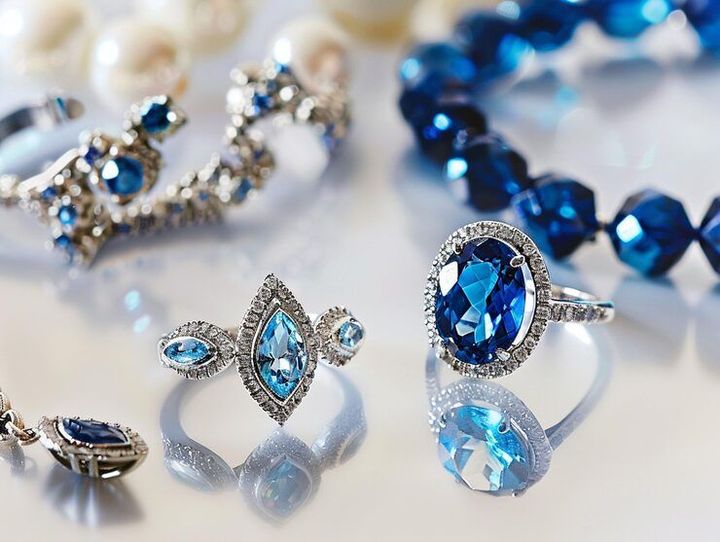
Blue sapphire jewellery features sapphire gemstones set into rings, necklaces, earrings, bracelets, pendants, and other decorative pieces. Blue sapphire is a variety of the mineral corundum, with its blue color generally associated with trace elements within the crystal.
Corundum in its pure form is colorless, while different trace elements can produce different colors.
Blue sapphire has been used in jewellery for centuries across several cultures. Its blue color, durability, and crystalline appearance have contributed to its continued presence in traditional and contemporary jewellery design. Today, blue sapphire jewellery can range from simple everyday pieces to elaborate designs intended for formal occasions.
Sapphire has a Mohs hardness of 9, making it one of the harder commonly used gemstones. However, hardness does not mean that every sapphire is completely resistant to damage. Inclusions, fractures, setting design, and exposure to impact can influence how a gemstone performs during everyday use.
Understanding Blue Sapphire Quality
Blue sapphire quality is assessed using several characteristics rather than one universal grade. Color, clarity, cut, carat weight, origin information, treatments, and overall appearance can all influence how a stone is described.
Color is particularly important for blue sapphire. Gemstones can display different shades ranging from pale blue to deeper blue, with variations in tone and saturation. Lighting conditions can also affect how a sapphire appears.
Clarity refers to internal characteristics and surface features. Natural sapphires commonly contain inclusions, and their presence does not automatically indicate poor quality. The type, location, size, and visibility of inclusions are relevant when examining a gemstone.
Natural and Treated Sapphire
Blue sapphires may be natural or laboratory-created. Natural sapphires form through geological processes, while laboratory-created sapphires are produced under controlled conditions and have the same basic chemical composition and crystal structure as natural corundum.
Heat treatment is also common in the sapphire industry. Heating can alter color and clarity characteristics. Treatment information is therefore an important part of gemstone documentation.
A gemstone report may identify whether a sapphire is natural or laboratory-created and may describe detectable treatments. Such documentation can be useful when comparing stones with different characteristics.
Importance
Blue sapphire jewellery combines gemstone properties with metalwork, setting design, craftsmanship, and personal style. Understanding these elements can help readers interpret jewellery descriptions and distinguish between characteristics that relate to the gemstone and those that relate to the finished piece.
The topic is relevant to jewellery designers, collectors, manufacturers, retailers, appraisers, and general consumers interested in gemstone jewellery. It also matters for people who want to understand terminology used in product descriptions, laboratory reports, and jewellery documentation.
Why Color Matters
Blue is the defining visual characteristic of blue sapphire, but not every sapphire has the same appearance. Hue describes the basic color, tone describes how light or dark it appears, and saturation describes the strength of the color.
A sapphire can appear different under daylight, indoor lighting, or jewelry-store lighting. Looking at a gemstone under more than one type of illumination can provide a broader understanding of its appearance.
Color preferences are subjective. A darker stone is not automatically more desirable for every design, and a lighter stone can work effectively in jewellery where a softer appearance is intended.
Cut and Proportion
Cut determines how a sapphire is shaped and polished. Unlike diamonds, colored gemstones are often cut with greater attention to retaining color and weight rather than following one standardized cutting system.
Common sapphire shapes include:
Round
Oval
Cushion
Emerald
Pear
Marquise
Princess or square
Cabochon
The cut influences how light interacts with the stone. Poor proportions can affect brightness, while suitable proportions can help the gemstone display its color across the visible surface.
Carat Weight and Size
Carat is a unit of weight used for gemstones. Two sapphires with the same carat weight may have different physical dimensions because density, cut proportions, and shape can vary.
A larger-looking stone is not necessarily heavier, and a heavier sapphire does not always appear larger from the top. Jewellery design also affects perceived size because surrounding metal and accent stones can change the visual balance.
Recent Updates
From 2024 through 2026, the broader gemstone and jewellery market has continued to show interest in transparency, laboratory documentation, digital product information, responsible sourcing, and differentiated design. These developments affect how blue sapphire jewellery is described and evaluated.
Greater Attention to Gemstone Disclosure
Consumers and jewellery professionals increasingly encounter detailed information about gemstone origin, treatments, laboratory-created materials, and identification. Clear disclosure helps distinguish naturally occurring stones from laboratory-created alternatives.
Digital records and gemstone reports can also make information easier to preserve and share. However, documentation should be interpreted according to the laboratory and testing methods involved.
Contemporary Sapphire Designs
Blue sapphire jewellery is available in both traditional and modern designs. Contemporary styles may use clean metal shapes, geometric settings, mixed metals, asymmetrical arrangements, or sapphire combinations with colorless gemstones.
Classic designs continue to include solitaire rings, halo arrangements, three-stone designs, sapphire earrings, and pendant settings. The range of styles means that sapphire jewellery can be designed for different clothing styles and occasions.
Laboratory-Created Sapphire
Laboratory-created sapphire has become a visible part of the broader colored-gemstone landscape. These stones have the same fundamental mineral composition as natural corundum but are produced through controlled technological processes.
The distinction is important because natural formation and laboratory production represent different origins. Jewellery descriptions should identify the material accurately rather than treating the two categories as interchangeable.
Digital Jewellery Information
Digital catalogues, gemstone reports, 3D design software, and online visualization tools are increasingly used within jewellery development and presentation. These tools can help designers examine proportions, setting structures, stone arrangements, and finished-piece concepts before production.
Digital tools do not replace physical gemstone examination. Color, transparency, inclusions, polish, and other characteristics can still require direct inspection or professional gemological analysis.
Laws or Policies
Blue sapphire jewellery is influenced by rules concerning gemstone disclosure, precious-metal marking, consumer information, product descriptions, trade practices, and responsible sourcing. The exact requirements differ between jurisdictions.
Gemstone Disclosure
Jewellery businesses may be required to provide accurate information about gemstone identity, treatment, laboratory creation, or other material characteristics depending on local rules.
Descriptions should distinguish between natural sapphire, laboratory-created sapphire, and simulants. A simulant may resemble sapphire visually but have a different chemical composition.
Treatment disclosure can also be relevant. Heat treatment is common for sapphires, while other treatments may have different durability or disclosure considerations.
Metal Hallmarking
Jewellery containing precious metals may be subject to hallmarking or purity-marking systems. These markings can communicate information about metal composition or fineness where such systems are legally applicable.
Rules vary by country, so a hallmark used in one jurisdiction may not have the same meaning in another. Official local requirements should be consulted when determining the legal significance of a particular marking.
Responsible Sourcing
Gemstone supply chains can involve mining, cutting, trading, manufacturing, and distribution across multiple regions. Responsible sourcing policies may address environmental practices, labor conditions, traceability, and origin documentation.
The availability and reliability of origin information vary by gemstone and supply chain. Origin claims should therefore be supported by appropriate documentation rather than assumed from color or appearance alone.
Tools and Resources
Several tools can help people understand and compare blue sapphire jewellery. Gemological reports can provide information about gemstone identity, natural or laboratory-created status, treatments, and sometimes geographic origin when the testing laboratory can determine it.
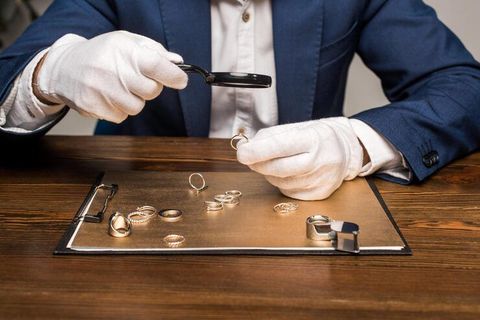
Digital calipers can help measure gemstone dimensions, while carat scales measure gemstone weight. Jewelry loupe magnification can provide a closer view of inclusions, facet junctions, and surface characteristics.
Useful resources include:
Gemological laboratory reports
Gemstone identification guides
Jewelry measurement charts
Ring-size guides
Digital calipers
Carat scales
Jewelry design software
3D CAD modelling tools
Metal purity references
Gemstone care guides
Jewellery appraisal documentation
A simplified comparison of important sapphire characteristics is shown below:
| Characteristic | What It Describes | Why It Matters |
|---|---|---|
| Color | Hue, tone, and saturation | Influences visual appearance |
| Clarity | Internal and surface characteristics | Affects transparency and appearance |
| Cut | Shape and faceting | Influences light reflection and presentation |
| Carat | Gemstone weight | Helps describe stone size and weight |
| Treatment | Processes applied to the stone | Provides information about gemstone history |
| Origin | Geographic source when determinable | Adds documented provenance information |
| Setting | How the stone is secured | Influences protection and design |
| Metal | Material surrounding the gemstone | Affects appearance and structural design |
Common Jewellery Settings
The setting holds the sapphire within the jewellery piece. A prong setting uses small metal projections to secure the gemstone, while a bezel surrounds part or all of the stone with metal.
Halo settings place smaller gemstones around a central sapphire. Cluster arrangements use multiple gemstones in a closely grouped design, while channel or pavé techniques may be used for smaller accent stones.
The setting should correspond to the gemstone shape, intended use, design proportions, and required level of protection. A setting that leaves more of the gemstone exposed can create a different visual effect from a design that surrounds the stone with metal.
FAQs
What is blue sapphire jewellery?
Blue sapphire jewellery consists of pieces incorporating blue sapphire gemstones with metals such as gold, platinum, silver, or other jewellery materials. Common forms include rings, earrings, pendants, necklaces, and bracelets.
How is blue sapphire quality evaluated?
Blue sapphire quality is considered through color, clarity, cut, carat weight, treatment, and other characteristics. Natural or laboratory-created origin and available documentation can also be relevant.
Which settings are used for blue sapphire jewellery?
Common settings include prong, bezel, halo, cluster, and other customized arrangements. The appropriate setting depends on the sapphire's shape, dimensions, design, and intended use.
Are blue sapphires treated?
Many natural blue sapphires have undergone heat treatment to modify color or clarity characteristics. Treatment information can be identified through suitable gemological testing and should be disclosed where applicable.
What should a blue sapphire jewellery guide explain?
A useful blue sapphire jewellery guide should explain gemstone color, clarity, cut, carat weight, treatments, natural or laboratory-created origin, metal selection, setting styles, care requirements, and available documentation.
Conclusion
Blue sapphire jewellery combines the properties of corundum with gemstone cutting, metalwork, setting design, and personal style. Color, clarity, cut, carat weight, treatment, and documented origin are among the characteristics used to understand a sapphire. Recent jewellery trends have placed greater attention on gemstone disclosure, laboratory-created materials, digital design, and supply-chain information. Understanding these factors provides a clearer foundation for interpreting blue sapphire jewellery descriptions and gemological documentation.