Explore Food Processing Equipment Infrastructure With Automation and Facility Planning
Food processing equipment infrastructure brings together the machines, building systems, utilities, controls, and workspace arrangements needed to transform agricultural or raw food materials into packaged products.
Modern facilities may include equipment for washing, sorting, cutting, mixing, heating, cooling, drying, filling, sealing, labeling, and storage. The infrastructure around these machines determines how materials, people, energy, water, and information move through the facility.
Food processing equipment has developed alongside changes in food production, preservation, packaging, and distribution. Earlier facilities often relied heavily on manual handling and simple mechanical equipment. Modern facilities increasingly combine mechanical systems with sensors, programmable controls, automated conveyors, digital monitoring, and data collection.
Facility planning is important because equipment cannot be considered separately from the building. Floor space, drainage, ventilation, electrical capacity, water supply, temperature control, cleaning areas, storage zones, personnel movement, and emergency access all influence how a processing facility operates. A well-planned layout also separates incoming raw materials from finished products where appropriate.
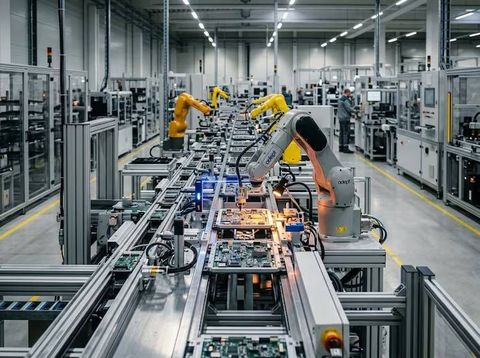
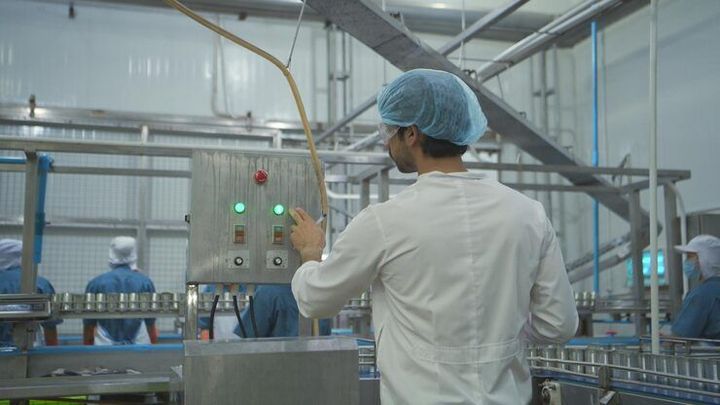
Automation adds another layer to this infrastructure. Automated systems can coordinate equipment sequences, monitor operating conditions, record production information, and control material movement. The level of automation varies according to product characteristics, production volume, facility design, workforce requirements, and regulatory expectations.
Main Components of Food Processing Infrastructure
A food processing facility normally contains several interconnected areas:
Raw material receiving and inspection areas
Washing, preparation, and processing zones
Food processing equipment areas
Packaging and labeling areas
Cold storage or controlled-temperature rooms
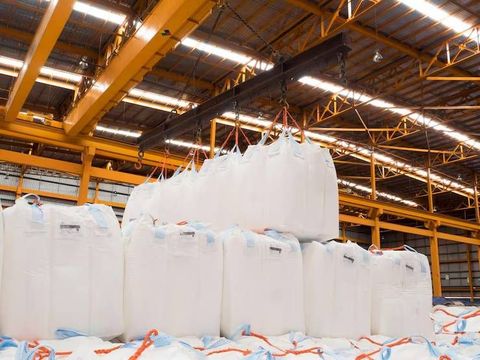
Dry storage and ingredient areas
Cleaning and sanitation spaces
Utility rooms for electricity, water, compressed air, steam, or refrigeration
Waste collection and handling areas
Quality control and testing spaces
The arrangement depends on the type of food being processed. A beverage facility may require extensive liquid handling, filtration, filling, and refrigeration systems, while a bakery may require mixers, ovens, cooling equipment, conveyors, and packaging machinery.
Importance
Food processing infrastructure matters because the condition and arrangement of a facility can affect food hygiene, production consistency, worker movement, energy use, equipment maintenance, and material handling. Poor planning can create unnecessary movement, difficult cleaning areas, congestion, or conflicts between raw and finished materials.
Automation can also help facilities monitor repeated processing activities. Sensors can measure variables such as temperature, pressure, flow, weight, humidity, or equipment status. Control systems can then use this information to maintain defined operating conditions and generate records for review.
Who It Affects
The topic affects many groups involved in the food supply chain, including:
Food manufacturers and processing facilities
Equipment engineers and facility planners
Maintenance and production teams
Food safety personnel
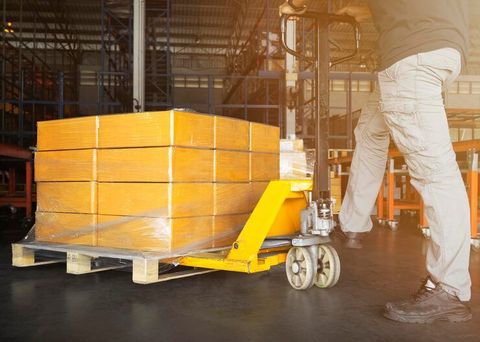
Packaging and warehouse teams
Workers who operate or interact with machinery
Consumers who depend on consistent food handling practices
Regulators responsible for food and workplace requirements
Facility planning also affects future expansion. A building designed without sufficient utility capacity, equipment access, or circulation space can become difficult to modify when production requirements change.
Hygiene and Material Flow
Material flow is one of the central principles of food processing facility planning. Raw materials generally enter through receiving areas and progress through preparation, processing, packaging, and storage stages.
The layout should make it possible to understand where materials enter, where processing occurs, and where finished products leave the facility. Personnel routes, equipment access, waste movement, and cleaning activities also need to be considered.
Surfaces and construction details matter as well. Areas exposed to food or moisture may require materials and finishes that can withstand routine cleaning and sanitation procedures. Drainage, ventilation, lighting, and temperature control are also important parts of the infrastructure.
Recent Updates
From 2024 through 2026, food processing infrastructure has continued moving toward connected automation, digital monitoring, energy management, and more flexible production layouts. The overall direction is toward integrating physical equipment with software and data systems rather than operating machines as isolated units.
Automation and Digital Monitoring
Modern food processing equipment increasingly incorporates sensors and programmable control systems. These systems can collect information about machine status and process conditions, allowing operators to identify deviations and investigate equipment performance.
Industrial communication networks also make it possible for different machines to exchange information. A conveyor, packaging machine, weighing system, and processing line can potentially be coordinated through a broader control architecture.
Artificial intelligence and machine learning are also being explored for applications such as visual inspection, predictive maintenance, process analysis, and production planning. These technologies still require appropriate data, system validation, human oversight, and suitable operating procedures.
Energy and Resource Management
Energy efficiency has become an important consideration in facility planning. Refrigeration, heating, compressed air, pumps, motors, ventilation, and water systems can represent significant infrastructure requirements.
Facility designers increasingly examine equipment efficiency together with building design. Heat recovery, variable-speed drives, efficient motors, improved insulation, automated controls, and monitoring systems can be incorporated where technically appropriate.
Water management is another important consideration, particularly for facilities that use substantial quantities of water for processing and sanitation. Systems may be designed around controlled water distribution, wastewater collection, and monitoring of water use.
Flexible Production Layouts
Food manufacturers may process multiple products or change production requirements over time. This has increased interest in modular equipment arrangements, flexible conveyors, adjustable processing areas, and control systems that can accommodate different operating sequences.
A flexible layout can also simplify maintenance or future equipment changes when sufficient access and utility connections are included during the original facility planning stage.
Laws or Policies
Food processing facilities are shaped by food safety, hygiene, workplace safety, environmental, building, and equipment requirements. The exact rules depend on the country, product category, facility size, and activities performed.
Food Safety Requirements
Many food systems use principles associated with Hazard Analysis and Critical Control Point, commonly known as HACCP. HACCP focuses on identifying potential hazards, determining controls, monitoring important process points, and maintaining appropriate records.
Good Manufacturing Practices and related hygiene requirements can also influence facility design. They may address areas such as personnel hygiene, equipment cleanliness, contamination prevention, storage, pest control, water quality, and production procedures.
International food standards developed through the Codex Alimentarius framework are also used as reference points by many food systems. National or regional authorities may establish additional requirements that facilities must follow.
Equipment and Workplace Rules
Food processing equipment may need to meet requirements relating to machine safety, electrical systems, pressure systems, guarding, emergency controls, and food-contact materials. Requirements differ between jurisdictions and equipment categories.
Environmental rules can also affect wastewater, solid waste, emissions, noise, refrigerants, and resource use. Facility planning therefore needs to consider regulatory requirements before construction, equipment installation, and operational changes.
Tools and Resources
Several types of tools can support food processing equipment infrastructure planning. Digital facility-layout software can help visualize equipment positions, walkways, storage areas, utilities, and material flows before physical installation.
Process-flow diagrams can be used to map the movement of raw materials through processing stages. Equipment schedules can document machine dimensions, power requirements, utility connections, operating ranges, and maintenance access.
Common planning resources include:
Facility layout templates
Equipment specification sheets
Process flow diagrams
Utility load calculations
Production capacity worksheets
HACCP planning templates
Preventive maintenance schedules
Energy monitoring systems
Industrial automation software
Inventory and warehouse management platforms
A simplified infrastructure planning table may look like this:
| Infrastructure Area | Typical Requirement | Planning Consideration |
|---|---|---|
| Processing zone | Production equipment | Hygiene, access, workflow |
| Packaging zone | Filling and sealing equipment | Product flow and inspection |
| Utilities | Power, water, air, heating or cooling | Capacity and redundancy |
| Storage | Ingredients and finished products | Temperature and movement |
| Cleaning area | Sanitation equipment | Drainage and separation |
| Automation | Sensors and controllers | Connectivity and data handling |
| Maintenance | Tools and access space | Safe equipment access |
| Waste handling | Collection and transfer | Hygiene and environmental controls |
Facility planning software can also support three-dimensional visualization, equipment clearance checks, and workflow studies. Digital models can help identify spatial conflicts before installation begins.
FAQs
What is food processing equipment infrastructure?
Food processing equipment infrastructure includes the machines, utilities, building systems, controls, storage areas, sanitation provisions, and supporting spaces required for food processing activities.
Why is facility planning important for food processing equipment?
Facility planning helps organize equipment, people, materials, utilities, storage, cleaning areas, and waste movement. It can also support hygiene controls and provide suitable access for operation and maintenance.
How does automation affect food processing equipment?
Automation can coordinate machine sequences, monitor process conditions, record operating information, and control material movement. Its complexity depends on the product, process, facility, and operational requirements.
What regulations affect food processing facility planning?
Requirements can include food hygiene, HACCP-based controls, manufacturing practices, machine safety, electrical safety, environmental rules, building requirements, and workplace protection measures. The applicable requirements vary by jurisdiction.
What tools are used for food processing facility planning?
Common tools include facility-layout software, process-flow diagrams, utility calculation worksheets, equipment schedules, maintenance planning systems, automation platforms, and digital monitoring tools.
Conclusion
Food processing equipment infrastructure combines machinery, utilities, facility design, automation, storage, sanitation, and material movement into an integrated operating environment. Facility planning helps organize these elements around hygiene, safety, workflow, maintenance, and future operational needs. Recent developments have increased the use of connected controls, sensors, digital monitoring, resource management, and flexible layouts. Regulatory requirements remain an important part of designing and operating food processing facilities.