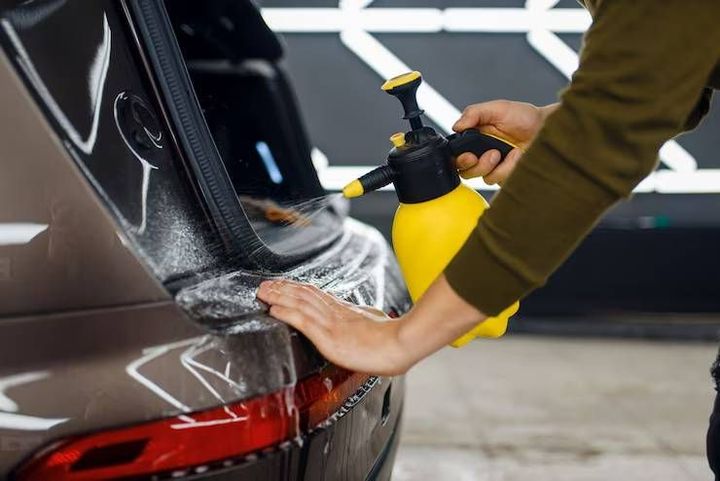
Explore Paint Protection Installation With Application Techniques and Maintenance Tips
Paint protection installation refers to the process of applying a protective film over painted vehicle surfaces to help reduce exposure to everyday environmental and physical influences. Paint protection film, often called PPF, is a thin transparent material designed to sit over areas such as the hood, bumpers, fenders, mirrors, doors, and other painted panels.
The concept developed from the need to protect painted surfaces from damage caused by road debris and regular driving conditions.
Modern paint protection film commonly uses flexible polyurethane layers with a clear surface coating. Depending on the product design, the material may have characteristics such as transparency, flexibility, resistance to staining, and limited self-healing of minor surface marks when exposed to appropriate heat. The exact construction varies between manufacturers and product categories.
Paint protection installation involves more than simply placing a sheet over a panel. The surface must be prepared carefully, the film must be positioned accurately, and application techniques must control moisture, air pockets, stretching, and alignment. A properly planned installation also considers the shape of the panel, edges, seams, and areas that receive frequent exposure.
How Paint Protection Film Works
PPF creates a physical layer between the painted surface and many external contaminants. When properly installed, the film can absorb or distribute some minor impacts that might otherwise directly affect the paint underneath.
The material does not make a vehicle immune to damage. Larger impacts, sharp objects, severe collisions, deep scratches, chemical exposure, or prolonged environmental conditions can still affect the film and potentially the underlying paint.
Common Areas for Installation
Paint protection installation can cover an entire vehicle or selected panels. Common areas include:
- Front bumper
- Hood and front fenders
- Exterior mirrors
- Door edges
- Door cups
- Rocker panels
- Trunk loading areas
- Headlight surfaces where compatible film is permitted
The selected coverage depends on the vehicle's design, driving environment, exposure patterns, and the owner's maintenance preferences.
Importance
Painted vehicle surfaces are exposed to dust, road particles, insects, tree residue, water deposits, ultraviolet radiation, and repeated washing. Vehicles that travel frequently can also encounter small stones and other airborne debris that may create chips or surface marks.
Paint protection installation addresses part of this everyday exposure by creating an additional layer over vulnerable painted areas. This can be particularly relevant for vehicles with large painted front sections, complex body contours, or surfaces that regularly encounter road debris.
Everyday Protection Considerations
The importance of paint protection depends on how a vehicle is used. A vehicle driven mainly in urban environments may experience different exposure from one frequently used on highways or unpaved roads.
Factors that can influence protection requirements include:
- Driving frequency
- Road surface conditions
- Climate and sunlight exposure
- Parking environment
- Washing methods
- Vehicle color and paint finish
- Panel shape and location
Paint protection film can also influence routine maintenance because contaminants are deposited on the film rather than directly on the painted surface. However, the film itself still requires appropriate cleaning and inspection.
Installation Quality and Surface Preparation
Surface preparation is one of the important stages of paint protection installation. Dirt, wax residue, grease, polishing compounds, and other contaminants can interfere with film adhesion and appearance.
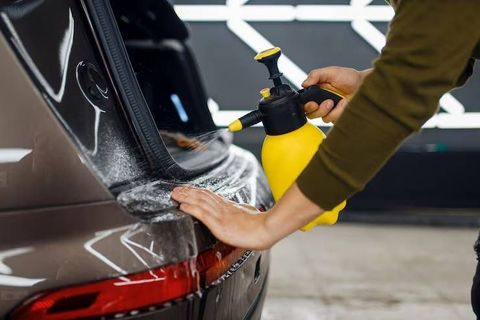
Application generally involves cleaning the panel, preparing the film, positioning it over the surface, and using controlled pressure to remove installation solution and trapped air. Curved panels may require careful stretching or forming so the material follows the vehicle's contours without excessive tension.
| Installation Stage | Main Purpose | Important Consideration |
|---|---|---|
| Surface cleaning | Remove contaminants | Paint should be thoroughly clean |
| Panel inspection | Identify existing imperfections | Existing damage may remain visible |
| Film preparation | Prepare material for placement | Correct dimensions and orientation matter |
| Positioning | Align film with panel | Edges and body contours require attention |
| Squeegee application | Remove solution and air | Controlled pressure helps reduce pockets |
| Edge finishing | Secure film around panel boundaries | Excessive stretching should be avoided |
| Final inspection | Check appearance and adhesion | Bubbles, lifting, and alignment should be reviewed |
Recent Updates
Recent developments in paint protection installation have focused on material construction, surface finishes, digital pattern systems, and application efficiency. Modern PPF products increasingly incorporate advanced top layers intended to improve resistance to staining, environmental contamination, and minor surface marks.
One notable trend is the wider availability of different film finishes. Clear gloss remains common, while matte and satin appearances provide alternatives for vehicles where the owner wants a different visual effect. Some films are also designed with specialized finishes that change how light reflects from the painted surface.
Digital Pattern Development
Digital cutting systems have changed how many installers approach paint protection installation. Computer-based pattern libraries can provide pre-designed shapes for specific vehicle models and panels.
These patterns can reduce the need for extensive manual trimming directly on the vehicle. However, vehicle variations, panel differences, replacement parts, and installation preferences can still require adjustments.
Improved Application Techniques
Application techniques have also evolved around controlled positioning and moisture management. Installers may use specialized squeegees, slip solutions, edge tools, inspection lighting, and surface preparation materials to achieve more consistent results.
Some modern films are designed to make repositioning easier during installation. This can help with alignment, although the characteristics depend on the specific material and installation conditions.
Maintenance Trends
Maintenance has increasingly focused on using gentle washing methods and avoiding aggressive chemicals or abrasive tools. Regular cleaning helps prevent contaminants from remaining on the film for extended periods.
Environmental exposure remains an important consideration. Bird residue, insect remains, tree material, and other contaminants can become more difficult to remove when left on a surface for long periods.
Laws or Policies
Paint protection installation is generally treated as an automotive appearance or protective modification rather than a mechanical alteration. However, rules can vary between jurisdictions, particularly when film is applied to windows, lamps, reflective surfaces, or areas related to driver visibility.
The legal considerations are therefore different for body-panel PPF and films applied to glass or lighting components. Regulations in many jurisdictions can restrict modifications that interfere with visibility, lighting performance, identification markings, or required vehicle equipment.
Vehicle Surface Regulations
For exterior painted panels, regulatory concerns are usually limited compared with modifications involving windows or lighting. Even so, owners should consider local vehicle inspection requirements and manufacturer specifications where applicable.
Film applied to headlights, lamps, or other regulated components may require additional attention because light transmission and equipment compliance can be affected.
Environmental and Chemical Considerations
Installation materials may include cleaning agents, preparation solutions, adhesives, and other chemical products. Proper handling, storage, ventilation, and disposal practices can be governed by workplace or environmental requirements.
Installers should follow the safety instructions associated with each material. Regulations can differ according to location, facility type, and chemical classification.
Tools and Resources
Paint protection installation requires a combination of preparation tools, application equipment, measurement resources, and inspection methods. The exact equipment varies according to the material and installation approach.
Common Installation Tools
Frequently used tools include:
- Microfiber cleaning cloths
- Surface preparation solutions
- Application squeegees
- Slip-solution bottles
- Precision cutting tools
- Edge wrapping tools
- Heat sources designed for controlled film shaping
- Inspection lighting
- Measuring and alignment equipment
Digital pattern platforms can also help installers identify panel shapes and coverage dimensions. These systems may contain vehicle-specific templates that can be adjusted before film application.
Maintenance Resources
Vehicle owners can use maintenance schedules, product care instructions, washing guides, and manufacturer documentation to understand how a particular film should be cleaned. Different films can have different limitations concerning chemicals, heat, polishing, and mechanical abrasion.
A simple maintenance routine usually involves:
- Removing loose dirt before wiping
- Using suitable automotive washing materials
- Avoiding abrasive brushes
- Cleaning contaminants promptly
- Inspecting film edges periodically
- Checking for lifting, cracking, or discoloration
The film should be treated as a separate surface with its own care requirements rather than assuming that every paint-care product is automatically appropriate for it.
FAQs
What is paint protection installation?
Paint protection installation is the process of applying a transparent or finished protective film to selected painted vehicle surfaces. The film creates a physical layer between the paint and many everyday environmental influences.
How does paint protection film protect vehicle paint?
Paint protection film can help reduce direct exposure to minor road debris, surface abrasion, contaminants, and some environmental effects. Its actual performance depends on the film construction, installation quality, exposure conditions, and maintenance.
What application techniques are used for paint protection installation?
Common application techniques include thorough surface cleaning, controlled film positioning, use of slip solution, squeegee pressure, edge finishing, and careful handling around curved panels. Digital patterns can also assist with accurate panel coverage.
How should paint protection film be maintained?
Maintenance generally involves gentle washing, prompt removal of contaminants, and periodic inspection of the film. Abrasive tools and unsuitable chemicals can affect the film's appearance or surface properties.
Can paint protection film prevent all scratches and damage?
No. Paint protection film provides an additional protective layer but cannot prevent every form of vehicle damage. Severe impacts, deep scratches, sharp objects, chemical exposure, and accidents can still affect the film or underlying surface.
Conclusion
Paint protection installation combines surface preparation, film positioning, application techniques, edge finishing, and inspection to create a protective layer over selected vehicle panels. Modern paint protection film is available in several constructions and finishes, with digital pattern systems supporting more precise panel preparation. Proper maintenance remains important because the film continues to encounter environmental contaminants during normal vehicle use. Regulations should also be considered when protective films are applied to windows, lighting components, or other regulated areas.