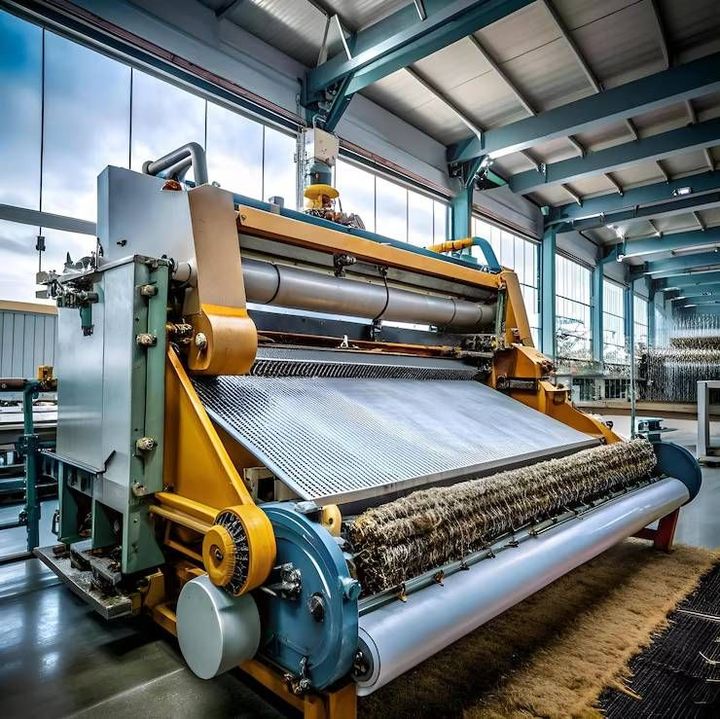
Slitting Rewinding Machines Basics With Features, Benefits, and Material Handling Technology
Slitting rewinding machines are industrial machines used to cut large rolls of flexible materials into narrower rolls and wind them for further processing, storage, or distribution. These machines are commonly used with paper, plastic film, adhesive tape, aluminum foil, flexible packaging materials, labels, and certain textile products.
They help manufacturers prepare materials in specific widths and roll formats for different production requirements.
The technology developed alongside the growth of paper converting and packaging industries, where large parent rolls needed to be divided into smaller, manageable rolls. As manufacturing processes became more automated, mechanical cutting and winding systems evolved to include electronic controls, automatic tension adjustment, and improved material handling components.
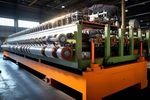
A typical slitting rewinding machine contains an unwinding section, a slitting unit, a tension control system, and one or more winding stations. The parent roll is mounted on an unwind shaft, the material passes through guiding rollers, and cutting blades divide it into narrower sections. These sections are then wound onto separate cores to create finished rolls.
How Slitting and Rewinding Work
The process begins when the parent roll is loaded onto the machine. The material moves through a controlled web path, where rollers maintain alignment and tension. Depending on the machine design, rotary knives, razor blades, or shear-cutting systems divide the material into predetermined widths.
After cutting, the narrow strips travel toward the winding section. Each strip is wound onto a core, with the winding system regulating pressure and rotation to produce rolls suitable for the next manufacturing stage. Operators can adjust machine settings according to material thickness, width, elasticity, and winding requirements.
Common Types of Slitting Rewinding Machines
Different machine designs address different production needs.
Center-winding machines: Wind material by driving the winding shaft directly. They are used for many paper, film, and packaging applications.
Surface-winding machines: Use contact rollers to transfer driving force to the roll surface. This arrangement can be suitable for certain materials and roll formats.
Duplex and turret rewinders: Support multiple winding positions or roll changes, helping reduce interruptions during production.
Inspection slitters: Combine slitting with material inspection to identify visible defects before the material reaches the finished roll.
Specialized narrow-web machines: Handle narrower materials such as labels, adhesive tapes, and selected technical films.
Importance
Slitting rewinding machines play an important role in manufacturing because raw materials frequently arrive in wide rolls that are unsuitable for direct use in downstream production. Converting these rolls into narrower widths helps packaging plants, printing facilities, paper processors, and label manufacturers prepare materials for their specific equipment and applications.
Accurate slitting also affects finished product quality. Uneven cuts, loose winding, wrinkles, telescoping rolls, and inconsistent tension can create problems during printing, laminating, packaging, or automated dispensing. A properly configured machine helps control these issues, although actual results depend on the material, machine condition, operator settings, and production environment.
Material Handling and Production Efficiency
Material handling includes moving, positioning, feeding, guiding, cutting, winding, and removing rolls. Each stage influences the stability of the overall process. Heavy parent rolls may require lifting equipment, while smaller finished rolls can be transferred using carts, conveyors, or dedicated unloading mechanisms.
Important material handling features include:
Unwind stands: Support parent rolls and allow controlled material feeding.
Web guiding systems: Correct lateral movement and keep material aligned with the cutting section.
Tension controls: Maintain suitable pulling force as roll diameter changes.
Roll lifting equipment: Help position heavy rolls while reducing manual handling.
Automatic unloading systems: Move completed rolls away from the winding station.
Safety guards and interlocks: Help prevent access to hazardous moving components during operation.
Industries That Use Slitting Rewinding Equipment
The equipment is used across several manufacturing sectors, although machine specifications differ by application.
| Industry | Common material | Typical application |
|---|---|---|
| Flexible packaging | Plastic films and laminates | Preparing packaging webs |
| Paper converting | Paper and paperboard rolls | Producing narrower rolls |
| Label production | Label stock and release liners | Preparing label rolls |
| Adhesive products | Tape materials and liners | Converting adhesive webs |
| Metal processing | Thin aluminum foil | Producing narrower foil rolls |
| Technical materials | Selected nonwoven and specialty films | Preparing industrial webs |
Material compatibility is important because thin films, stretchable materials, coated papers, and foil behave differently under tension and cutting pressure. Machine configuration must account for these differences.
Recent Updates
Recent developments in slitting rewinding technology reflect wider manufacturing trends toward automation, digital monitoring, energy awareness, and improved production consistency. Rather than changing the basic principle of slitting and rewinding, these developments focus on controlling the process more accurately and reducing avoidable interruptions.
Automation and Digital Controls
Modern machines increasingly use programmable logic controllers (PLCs), touchscreen operator panels, and electronic drives. These systems allow operators to configure parameters such as line speed, winding tension, roll diameter, and cutting positions, depending on the machine's capabilities.
Digital monitoring can also record operating conditions and production information. When connected to a factory monitoring system, a machine may provide information about downtime, production quantities, or recurring process problems. The usefulness of these functions depends on sensor availability, software integration, and the quality of recorded data.
Improved Tension and Web Guiding
Electronic tension control helps maintain consistent material movement as the diameter of the parent roll decreases and the finished rolls grow. Load cells, dancer rollers, and motor control systems can support this process.
Web guiding technology has also become more sophisticated, using sensors and actuators to correct lateral movement. These features are particularly relevant when handling thin films or materials that can stretch, wrinkle, or shift during processing.
Material Handling and Safety Developments
Manufacturers are incorporating powered roll lifting, automated positioning, and assisted unloading into some machine configurations. Such equipment can reduce the need for workers to manually move heavy rolls, although safe operating procedures remain necessary.
Safety systems may include emergency stops, guarded cutting areas, interlocked access panels, and monitoring for selected machine faults. The level of automation varies between equipment models, so the presence of any particular feature should not be assumed.
Energy and Waste Considerations
Manufacturing facilities are paying greater attention to energy consumption, material waste, and the reuse or recycling of process scrap. Accurate cutting layouts and appropriate tension settings can help reduce avoidable defects, edge waste, and rejected rolls.
These outcomes are not automatic. They depend on material quality, cutting methods, operator training, equipment maintenance, and the design of the wider production process.
Laws or Policies
Slitting rewinding machines are influenced by workplace safety requirements, machinery standards, electrical safety rules, and environmental regulations. The applicable requirements depend on the country where the machine is installed, the nature of the operation, and the materials being processed.
Industrial Safety Requirements in India
In India, workplace safety obligations may arise under the Occupational Safety, Health and Working Conditions Code, 2020, and other applicable legal provisions, rules, and regulations. The specific obligations depend on the legal framework in force, the establishment's classification, and the relevant implementation arrangements.
Factories and industrial facilities must consider hazards associated with rotating shafts, exposed blades, nip points, electrical equipment, and heavy rolls. Risk controls can include machine guarding, emergency stops, lockout procedures during maintenance, operator training, and suitable lifting arrangements.
Machinery and Electrical Safety
Machine manufacturers and industrial operators may need to consider applicable Indian Standards, including relevant standards for machinery safety, electrical installations, and protective equipment. International standards such as ISO 12100, which addresses machinery risk assessment and risk reduction, may also provide useful technical guidance where applicable.
Compliance depends on the specific equipment and legal requirements. A machine's technical documentation, installation instructions, risk assessment, and maintenance procedures help establish which controls are appropriate.
Environmental and Material Regulations
Facilities processing plastic films, paper, foil, or laminated materials should consider waste segregation, scrap management, and applicable environmental permissions. In India, relevant requirements may include rules concerning plastic waste management and obligations imposed by the appropriate pollution control authorities.
Businesses should distinguish between requirements that apply directly to their operations and guidance that is voluntary or industry-specific. Legal applicability should be confirmed against current official rules rather than assumed from a machine's advertised specifications.
Tools and Resources
Several technical resources can help operators, engineers, and production planners understand machine capabilities and prepare suitable operating parameters. Their relevance depends on the material, production requirements, and equipment design.
Machine Selection and Process Planning Tools
Roll diameter calculators: Estimate roll diameter using material thickness, core diameter, and total web length. These calculations help with roll planning and capacity estimates.
Web tension calculators: Help estimate tension requirements when material properties and process conditions are known. Actual settings should follow machine and material specifications.
Slitting layout worksheets: Record parent roll width, target slit widths, blade positions, and edge-trim allowances to help plan cutting layouts.
Production monitoring software: Tracks output, downtime, rejected material, and other production indicators when suitable data is available.
Maintenance checklists: Document inspections of blades, bearings, rollers, sensors, drive components, and safety equipment.
Technical Documentation and Standards
Equipment manuals provide machine-specific information about permissible materials, operating speeds, tension settings, blade arrangements, and maintenance intervals. These documents should take precedence over generic operating examples when configuring a particular machine.
For standards and regulatory information, users can consult the Bureau of Indian Standards, the Ministry of Labour and Employment, and the relevant State Pollution Control Board or Pollution Control Committee. ISO publications can provide additional technical context on machinery safety and risk assessment.
FAQs
What is a slitting rewinding machine used for?
A slitting rewinding machine cuts wide rolls of material into narrower strips and winds those strips into separate rolls. It is commonly used in packaging, paper converting, label production, adhesive tape manufacturing, and foil processing.
How does a slitting rewinding machine work?
The machine feeds a parent roll through guiding and tension-control systems. Cutting blades divide the web into narrower sections, and winding shafts form the sections into finished rolls.
Which materials can a slitting rewinding machine process?
Depending on its design, the machine may process paper, plastic film, aluminum foil, adhesive tape, label stock, laminates, and selected nonwoven materials. Blade selection, tension control, and winding settings must match the material being processed.
What features matter in an industrial slitting rewinding machine?
Important features include accurate cutting mechanisms, adjustable tension control, web guiding, suitable winding shafts, roll handling equipment, and machine guarding. Automation and inspection functions may also be useful for specific production requirements.
How does material handling technology improve slitting operations?
Material handling technology helps position parent rolls, guide material through the machine, and transfer finished rolls. Lifting aids, automatic unloading, and controlled web movement can reduce manual handling demands and support consistent production when properly configured.
Conclusion
Slitting rewinding machines convert wide material rolls into narrower rolls for packaging, printing, labeling, and other industrial applications. Their main components include unwinding systems, cutting mechanisms, tension controls, and winding stations. Automation, digital monitoring, and improved material handling are influencing equipment design, while workplace safety and environmental requirements shape industrial operations. Machine performance depends on material characteristics, equipment configuration, operating conditions, and maintenance practices.