Complete Guide to Layered Chokers With Fashion Trends and Jewelry Inspiration
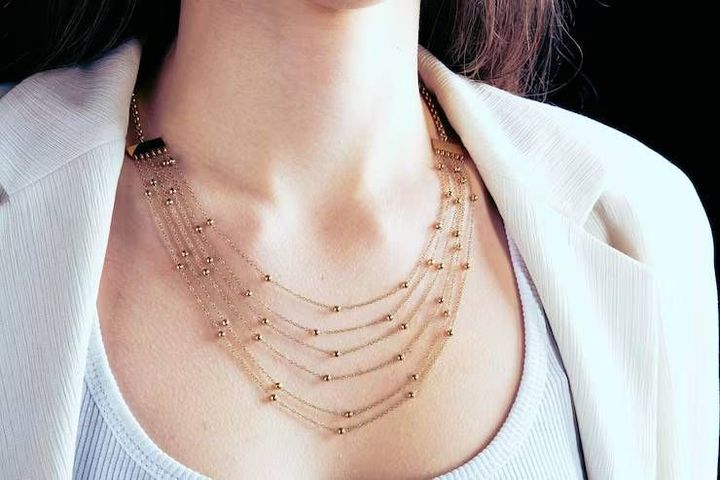
Layered chokers are necklaces worn close to the neck and combined with one or more additional necklaces to create a coordinated jewelry arrangement. They can include different chain lengths, pendant styles, beads, pearls, gemstones, and decorative metal elements.
This arrangement creates visual depth while allowing each necklace to contribute to the overall appearance.
The history of chokers extends across different cultures and periods. Neck ornaments have appeared in traditional clothing, ceremonial jewelry, and everyday accessories. Modern layered chokers draw inspiration from these historical designs while incorporating contemporary materials, minimalist shapes, and changing fashion preferences.
Understanding Layered Choker Designs
A layered choker arrangement usually combines a short necklace that sits near the base of the neck with longer chains that fall at different heights. The contrast between these lengths helps prevent the pieces from appearing crowded.
Common design combinations include:
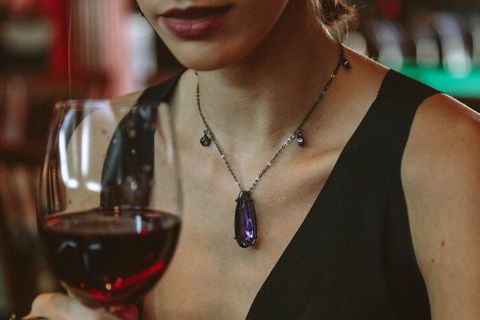
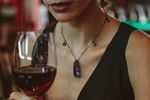
Chain and pendant combinations with a simple choker and a longer necklace featuring a small decorative element.
Pearl and metal arrangements that combine traditional-looking pearls with contemporary chains.
Minimalist layers featuring fine chains, small geometric shapes, or subtle metallic details.
Beaded and gemstone combinations that introduce different colors and textures.
Traditional-inspired arrangements incorporating decorative motifs, intricate metalwork, or culturally influenced designs.
Each combination creates a different visual effect. Simple chains provide a restrained appearance, while beads, pendants, and textured materials introduce more detail.
Materials and Construction
Layered chokers are made from various materials, including stainless steel, sterling silver, gold, gold-plated metals, glass beads, freshwater pearls, and decorative stones. The material affects the necklace's appearance, weight, maintenance requirements, and suitability for different skin sensitivities.
Construction also matters. Smooth edges, secure clasps, flexible chains, and appropriately sized links help improve comfort during regular wear. A necklace that sits too tightly may cause discomfort, while excessive movement between layers can lead to tangling.
Importance
Layered chokers matter in contemporary fashion because they allow people to adapt familiar jewelry pieces to different outfits and occasions. A coordinated necklace arrangement can complement casual clothing, formal attire, traditional garments, and contemporary evening wear without requiring an entirely different jewelry collection for every setting.
These designs also address practical styling challenges. Someone wearing a plain neckline may want additional visual detail, while another person may prefer a simple necklace arrangement that does not compete with patterned clothing.
Matching Layered Chokers With Clothing
The neckline of an outfit influences how layered necklaces appear. Different arrangements can create balance between clothing, jewelry, and other accessories.
Crew-neck tops generally work with compact chokers and slightly longer chains that remain visible above the neckline.
V-neck garments can complement layered necklaces that follow the neckline's downward shape.
Strapless outfits provide an open area around the neck and shoulders for several necklace lengths.
High-neck clothing may pair with longer necklace layers when a close-fitting choker would be hidden.
Traditional clothing can be complemented by pearl strands, decorative pendants, or metalwork inspired by regional jewelry styles.
The aim is to create visual balance rather than follow a fixed rule. Clothing patterns, fabric texture, and existing accessories all influence the final appearance.
Comfort, Fit, and Everyday Use
A choker should sit comfortably without restricting normal neck movement. Its fit depends on the chain length, clasp placement, pendant weight, and the wearer's personal preference.
People with sensitive skin may need to consider metal composition, plating quality, and exposure to sweat or moisture. Jewelry described as hypoallergenic may still contain materials that cause reactions in some individuals, so checking material details is useful.
Tangled chains are another common challenge. Necklaces with similar lengths may overlap frequently, particularly when their clasps rotate or their pendants have different weights. Selecting noticeably different lengths and separating delicate pieces during storage can help reduce this problem.
Comparing Common Layered Choker Styles
The following table summarizes common design characteristics and their typical styling applications.
Choker style | Common materials | Visual appearance | Typical use |
|---|---|---|---|
Minimalist chain | Silver, stainless steel, gold-plated metal | Simple and understated | Everyday outfits |
Pearl layered choker | Pearls and metal chains | Classic with contrasting textures | Formal and semi-formal clothing |
Pendant choker | Fine chains and decorative pendants | Detailed and personalized | Casual and evening outfits |
Beaded choker | Glass, ceramic, or natural beads | Colorful and textured | Casual and creative styling |
Traditional-inspired choker | Decorative metalwork and stones | Ornamental and detailed | Cultural celebrations and traditional attire |
These categories can overlap. A single arrangement may combine a pearl choker, a fine metal chain, and a small pendant to create a distinctive appearance.
Recent Updates
Contemporary jewelry trends increasingly emphasize personalization, flexible styling, and combinations of traditional and modern design elements. Layered chokers fit these preferences because individual necklaces can be rearranged to create different appearances.
Fashion Trends From 2024 to 2026
Recent fashion directions have included both understated jewelry and more noticeable statement pieces. Rather than following one uniform style, layered necklaces accommodate different preferences through variations in length, material, color, and decoration.
Several developments characterize the current trend:
Mixed-metal styling combines silver-colored and gold-colored chains within the same arrangement. Differences in finish can create contrast without requiring matching metals.
Pearl combinations pair traditional pearl shapes with fine chains, contemporary pendants, or asymmetrical details.
Personalized pendants incorporate initials, symbolic shapes, birthstone-inspired colors, or meaningful decorative motifs.
Vintage-inspired designs use decorative links, ornamental pendants, and chain patterns influenced by earlier fashion periods.
Minimalist layering emphasizes a small number of delicate necklaces rather than multiple heavy pieces.
Textured materials introduce beads, irregular pearls, and varied chain patterns for additional visual interest.
These developments represent broad fashion directions rather than a universal shift in consumer preferences. Individual styles continue to vary across age groups, regions, cultural traditions, and personal tastes.
Sustainability and Material Awareness
Material transparency has become an important consideration in jewelry selection. Some consumers pay closer attention to recycled metals, documented gemstone origins, durable construction, and the expected lifespan of decorative pieces.
However, environmental claims vary in reliability. A description such as recycled metal or responsibly sourced gemstone should be supported by clear information about the material and the relevant production process.
Durability also contributes to long-term use. Strong clasps, replaceable components, and materials suited to the intended wearing conditions may reduce the need to replace damaged necklaces frequently.
Adapting Layered Jewelry to Different Occasions
Layered chokers can be adjusted for different settings by changing the number of necklaces, the size of the pendants, and the contrast between materials.
For daytime activities, a fine chain paired with one longer necklace may provide sufficient detail. Evening outfits may accommodate additional layers, decorative pendants, or contrasting finishes. Traditional celebrations may call for more elaborate designs that coordinate with embroidery, fabric colors, and other jewelry.
The main consideration is proportion. Large earrings, elaborate clothing, and several heavy necklaces can compete for attention when used together. Reducing the number of prominent elements can help maintain a balanced appearance.
Laws or Policies
Jewelry is affected by product safety requirements, consumer protection rules, material disclosures, and regulations governing precious metals. The exact requirements depend on the country where the jewelry is manufactured, marketed, or purchased.
Material Disclosure and Product Descriptions
Jewelry descriptions should accurately identify the materials used in a piece. Terms such as solid gold, gold-plated, sterling silver, and imitation pearls refer to different material characteristics and should not be treated as interchangeable.
Gold-plated jewelry generally has a surface layer of gold over another material, while solid-gold jewelry is made from a gold alloy throughout its main metal structure. Sterling silver commonly refers to an alloy containing 92.5% silver by mass, with the remaining portion consisting of other materials.
These distinctions affect appearance, maintenance, durability, and material value. Clear descriptions help consumers understand what a layered choker contains and how it may perform during regular use.
Jewelry Safety and Consumer Protection
Applicable rules may address restricted substances, skin-contact materials, product labeling, and misleading descriptions. Certain markets also have specific requirements for precious-metal purity marks or hallmarking.
Consumers can examine available material specifications, manufacturer information, and applicable local guidance when evaluating jewelry. Those experiencing persistent skin irritation should discontinue wearing the suspected item and consider appropriate medical guidance.
Online jewelry listings should also represent products accurately. Images, material descriptions, dimensions, and care instructions should correspond to the actual item. General information in this article does not replace the legal requirements applicable to a particular country or product.
Tools and Resources
Several practical resources can help with choosing, coordinating, and maintaining layered chokers. The most useful options depend on whether the main objective is styling, understanding materials, checking fit, or organizing a jewelry collection.
Necklace Length and Styling Tools
Necklace length guides help estimate where different chains may fall on the neck and upper chest. These guides are useful when planning layers, although actual placement varies with body proportions, chain construction, and pendant weight.
Digital outfit planners and jewelry catalog applications can also help users compare combinations before wearing them. Saving photographs of different arrangements makes it easier to identify combinations that work with particular necklines and clothing colors.
A simple styling checklist can include:
Choker length and comfort.
Difference between the lengths of adjacent necklaces.
Pendant size and weight.
Compatibility of metal finishes.
Coordination with clothing and earrings.
Potential for chains to tangle.
Jewelry Care and Material Information
Care instructions should reflect the materials used in each necklace. Some pearls and plated finishes require gentler handling than durable stainless-steel chains.
Useful resources include material identification guides, jewelry measurement charts, manufacturer care instructions, and product documentation describing metal composition. These resources can clarify differences between solid metals, plated finishes, imitation stones, and natural materials.
A basic jewelry organizer with separate compartments can help prevent scratches and tangling. Delicate chains are generally easier to manage when stored individually, clasped where practical, and kept away from unnecessary moisture or chemical exposure.
FAQs
What Are Layered Chokers?
Layered chokers are jewelry arrangements that combine a close-fitting necklace with additional necklaces of different lengths. They may include chains, pendants, beads, pearls, or decorative stones to create a coordinated appearance.
How Do You Style Layered Chokers With Different Necklines?
Choose necklace lengths that remain visible with the neckline of the outfit. Crew-neck tops can work with compact layers, while V-neck garments may complement chains that follow the neckline's shape. Strapless clothing provides more space for multiple necklace lengths.
Which Materials Are Commonly Used in Layered Choker Necklaces?
Common materials include sterling silver, stainless steel, gold-plated metals, pearls, glass beads, and decorative stones. Material selection influences appearance, durability, maintenance, and potential skin sensitivity.
How Can You Prevent Layered Chokers From Tangling?
Select necklaces with different lengths, avoid excessive pendant weight, and store chains separately when they are not being worn. Necklace separators and specialized layered-chain designs may also reduce tangling during movement.
Are Layered Chokers Suitable for Formal and Casual Occasions?
Yes. Simple chains and small pendants can complement everyday clothing, while pearl combinations and ornamental designs can suit formal occasions. The appropriate arrangement depends on the outfit, the event, personal comfort, and the amount of jewelry already being worn.
Conclusion
Layered chokers combine traditional necklace forms with contemporary styling through differences in length, material, texture, and decoration. Their versatility allows them to complement casual outfits, formal clothing, and traditional garments. Understanding necklace proportions, material characteristics, comfort, and maintenance helps explain how different arrangements function in everyday use. Current jewelry trends continue to include minimalist chains, mixed metals, pearl combinations, and personalized decorative elements.