Discover Rose & White Gold Jewellery for Modern, Classic, and Elegant Looks
Rose and white gold jewellery combines two distinct metal colors that have become widely recognized in contemporary jewelry design. Rose gold has a warm pink or reddish appearance created by combining gold with alloy metals such as copper, while white gold is produced by combining gold with lighter-colored alloy metals.
Gold in its pure form is relatively soft for many jewelry applications, so it is commonly combined with other metals to create alloys with different physical and visual characteristics. The proportions of gold and other metals influence color, hardness, durability, and working properties.
Rose gold developed its distinctive color through copper-rich alloys. White gold emerged as an alternative to naturally yellow-colored gold and can have a bright, neutral appearance. Depending on the alloy composition and finishing process, white gold may have a slightly gray or warm tone beneath a bright surface finish.
Modern jewelry designers use rose and white gold individually or together. Two-tone jewelry can combine the warm appearance of rose gold with the cooler appearance of white gold, creating contrast without requiring different types of gemstones or elaborate ornamentation.
Common Forms of Rose and White Gold Jewellery
Both metals can be used across many jewelry categories. Common examples include:
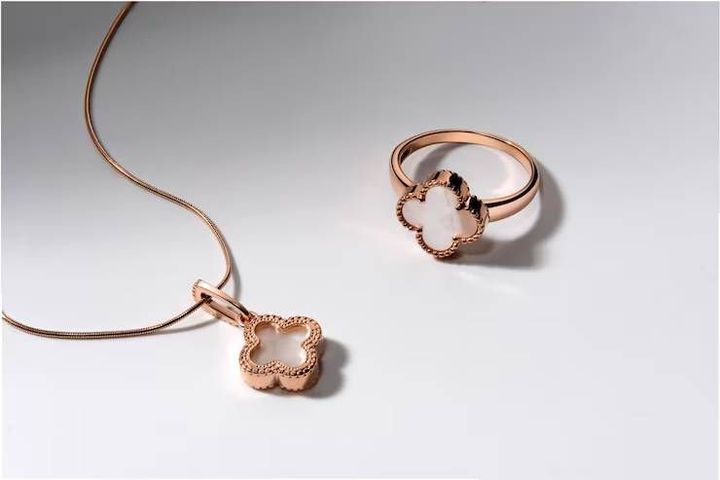
Rose gold rings for simple, decorative, or gemstone-centered designs
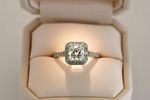
White gold rings with diamonds or colored gemstones
Rose gold necklaces with chains, pendants, or decorative elements
White gold necklaces with gemstone or diamond settings
Bracelets combining solid metal links and gemstones
Earrings using polished, textured, or sculpted metal
Two-tone pieces combining rose and white gold
Wedding and occasion jewelry incorporating different gold colors
The appearance of a finished piece depends on metal purity, alloy composition, surface treatment, gemstone selection, proportions, and craftsmanship.
Importance
Understanding rose and white gold jewellery is useful because metal color is only one part of a jewelry piece. The alloy, purity, setting construction, surface finish, gemstone characteristics, and maintenance requirements can all influence the appearance and physical properties of the finished item.
The distinction is also important when comparing jewelry descriptions. Two pieces that look similar in photographs can have different metal compositions, purity levels, plating arrangements, or construction methods.
Rose Gold Characteristics
Rose gold receives its warm color primarily from copper within the alloy. Higher copper proportions can create a stronger pink or reddish appearance, although the exact shade depends on the overall alloy composition.
Rose gold can have a contemporary appearance, but it is not limited to modern designs. It can also be used in vintage-inspired jewelry, delicate pieces, geometric designs, and traditional gemstone settings.
Its warm color can create an interesting contrast with diamonds and colorless gemstones. It can also complement gemstones with pink, red, purple, green, or blue tones depending on the overall design.
White Gold Characteristics
White gold is created by combining gold with lighter-colored alloy metals. Its appearance can vary according to the alloy and surface treatment.
Many white gold pieces receive a rhodium coating that creates a bright, reflective surface. This coating can gradually wear through normal use, revealing the underlying white-gold alloy, which may have a slightly warmer or grayer appearance.
White gold is frequently used with diamonds because its neutral appearance can visually blend with colorless gemstones. It is also used with sapphires, emeralds, rubies, and other colored stones.
Comparing Rose Gold and White Gold
The two metals differ primarily in color, alloy composition, and surface appearance. Neither color automatically determines the quality of a jewelry piece.
| Feature | Rose Gold | White Gold |
|---|---|---|
| Main appearance | Pink, warm, or reddish | White, silver-like, or neutral |
| Key alloy influence | Copper contributes to color | Lighter alloy metals influence color |
| Common surface treatment | Polishing or texture | Often rhodium finished |
| Gemstone pairing | Diamonds and colored stones | Diamonds and colored stones |
| Design character | Warm and distinctive | Neutral and reflective |
| Maintenance consideration | Surface condition and metal care | Rhodium finish may require renewal |
The appropriate choice depends on the intended appearance, personal style, metal composition, gemstone combination, and maintenance preferences.
Recent Updates
From 2024 through 2026, jewelry design has continued to include mixed-metal styling, personalized pieces, sculptural forms, delicate proportions, and combinations of warm and cool metal colors. Rose and white gold remain relevant because they can be incorporated into both traditional and contemporary designs.
Two-Tone Jewellery
Two-tone jewelry combines different metal colors within the same piece. Rose and white gold can be joined in rings, bracelets, necklaces, and earrings to create visual contrast.
A two-tone design can also make it easier to coordinate jewelry with pieces made from different metals. The contrast may be created through separate sections, intertwined bands, alternating links, or contrasting settings.
Modern Minimal Designs
Minimal jewelry designs frequently use thin bands, small pendants, delicate chains, and simple geometric shapes. Rose gold can introduce warmth to these designs, while white gold can provide a neutral metallic appearance.
Simple construction can also place more visual attention on a gemstone, engraving, texture, or particular shape rather than on complex decorative elements.
Mixed Gemstone Styling
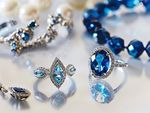
Rose and white gold are increasingly used with different gemstone colors and shapes. Diamonds, sapphires, emeralds, rubies, pearls, and other gemstones can produce different visual relationships with each metal.
The gemstone's color, saturation, transparency, shape, and setting style can change how the metal appears. A warm-colored gemstone may create a coordinated appearance with rose gold, while a blue or green gemstone can create stronger contrast.
Custom and Digital Design
Computer-aided design has become an important part of modern jewelry development. Digital modeling allows designers to examine proportions, gemstone placement, metal thickness, setting structures, and combinations of different metal colors before physical production.
Digital tools can also help create customized dimensions. This is particularly useful for jewelry with specific wrist, finger, or neck measurements.
Laws or Policies
Rose and white gold jewellery is influenced by regulations covering precious-metal purity, hallmarking, product descriptions, gemstone disclosure, consumer protection, and trade. Requirements vary between jurisdictions, so there is no single worldwide rule covering every jewelry item.
Gold Purity and Hallmarks
Gold jewelry is commonly identified according to its fineness or karat designation. Common descriptions include 18-karat and 14-karat gold, although permitted standards vary by country.
A hallmark or purity mark can provide information about the metal composition when required by local regulations. Additional marks may identify a manufacturer, assay authority, or responsible entity depending on the jurisdiction.
Consumers should distinguish between the color of gold and its purity. Rose gold and white gold can both be produced at different purity levels.
White Gold Plating Disclosure
White gold may receive a rhodium surface coating. Where applicable, jewelry descriptions should accurately communicate the presence of a surface treatment and should not imply that a coating changes the underlying gold alloy.
Rhodium can gradually wear due to friction, particularly on rings and bracelets. The frequency of refinishing depends on wear patterns, construction, and individual use.
Gemstone and Material Disclosure
Jewelry containing diamonds, colored gemstones, laboratory-created stones, treated stones, or imitation materials should be described accurately according to applicable rules.
Claims concerning gemstone origin, treatment, or material identity can have specific regulatory meanings. Documentation may be appropriate when particular characteristics need independent verification.
Tools and Resources
Several tools can help readers understand rose and white gold jewellery. Jewelry measurement guides can explain ring, bracelet, and necklace dimensions, while metal purity charts can help interpret karat and fineness markings.
Gemstone references can provide information about hardness, color, transparency, treatments, and common shapes. Digital jewelry design platforms can also demonstrate how different metals and gemstones interact visually.
Useful resources include:
Gold purity and hallmark charts
Ring sizing guides
Bracelet measurement templates
Necklace length references
Gemstone identification guides
Jewelry design software
Digital metal-color visualization tools
Diamond grading documentation
Jewelry care instructions
Metal allergy information resources
Jewelry inspection checklists
Gemstone treatment references
Choosing a Design Style
A jewelry design can be evaluated through several visual elements. Rose gold often creates a warmer appearance, while white gold provides a cooler metallic background. Combining both can create contrast and make the metal structure itself part of the design.
Classic designs may use symmetrical forms and traditional gemstone arrangements. Modern designs can use asymmetry, geometric structures, open spaces, mixed metals, or unusual proportions.
Elegant styling does not necessarily depend on a particular metal color. Proportion, finishing, gemstone arrangement, setting quality, and consistency of craftsmanship all contribute to the appearance of a finished piece.
Care and Maintenance
Gold jewelry can develop surface marks through regular contact with other objects. Separate storage can reduce friction between individual pieces, particularly when harder gemstones are involved.
White gold with rhodium plating may eventually show changes in surface appearance as the coating wears. Rose gold generally does not depend on rhodium for its characteristic color, although its surface can also become scratched or lose polish over time.
Cleaning methods should match the jewelry's metal, gemstones, treatments, and construction. Some gemstones can be affected by heat, chemicals, sudden temperature changes, or ultrasonic cleaning, so generalized cleaning methods may not be appropriate for every piece.
FAQs
What is the difference between rose gold and white gold jewellery?
Rose gold has a warm pink or reddish appearance created primarily through its alloy composition, while white gold has a lighter metallic appearance created through different alloy metals and often a rhodium surface finish.
Is rose gold suitable for modern and classic jewellery?
Yes. Rose gold can be used in contemporary geometric designs as well as traditional rings, necklaces, bracelets, and gemstone settings. Its warm color can change the visual character of either design approach.
Does white gold jewellery contain pure gold?
White gold is normally an alloy rather than pure gold. Its gold content is identified through a karat or fineness designation, while other metals contribute to its color and physical characteristics.
Can rose and white gold jewellery be worn together?
Rose and white gold can be combined in two-tone jewelry or worn as separate pieces. Mixing warm and cool metal colors can create visual contrast across rings, bracelets, necklaces, and earrings.
How should rose and white gold jewellery be maintained?
Jewelry should be stored separately when practical and cleaned according to its specific metal and gemstone characteristics. White gold with rhodium plating may require periodic refinishing as the surface coating wears through normal use.
Conclusion
Rose and white gold jewellery provides two distinct approaches to gold jewelry design, with rose gold creating a warm appearance and white gold providing a neutral metallic character. Both can be used in modern, classic, minimalist, gemstone-centered, and two-tone designs. Metal purity, alloy composition, surface treatment, gemstone selection, setting construction, and craftsmanship all influence the finished piece. Jewelry labeling, hallmarking, gemstone disclosure, and trade requirements depend on the applicable jurisdiction and materials involved.