Cooking Gas Explained: A Simple Guide for Every Household
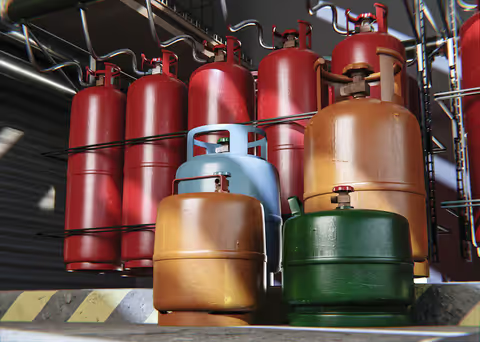
Cooking gas is a common household energy source used for preparing daily meals in many parts of the world. It usually refers to fuels such as liquefied petroleum gas (LPG) or natural gas that are stored in cylinders or delivered through pipelines. This form of energy was introduced to replace traditional cooking fuels like firewood and coal, which often caused indoor air pollution and required more time for meal preparation. Over time, cooking gas has become an important part of modern kitchen infrastructure, supporting efficient food preparation and improved living conditions.
Understanding the role of cooking gas in daily life
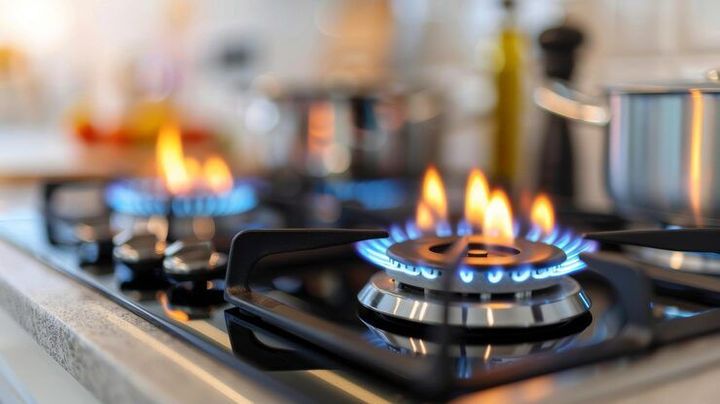
Cooking gas exists because households need a reliable, clean-burning energy option for heating and cooking. Compared with older fuel sources, gas produces a steady flame that allows precise temperature control. This helps improve cooking consistency, reduce smoke exposure, and maintain indoor air quality. As urbanization increased and housing structures became more compact, energy solutions like LPG cylinders and piped gas networks gained wider adoption.
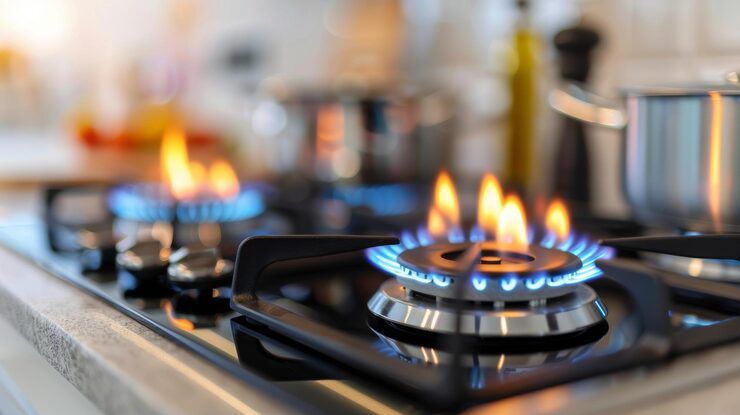
Cooking gas systems generally include storage containers or pipeline connections, regulators, valves, and burners. These components work together to deliver controlled energy for everyday kitchen tasks. In many regions, cooking gas is also linked with broader household energy planning, including ventilation design and fire safety preparedness.
Why cooking gas matters in modern households
The importance of cooking gas today is linked to changing lifestyles, environmental awareness, and public health considerations. Efficient cooking fuels contribute to time savings, improved hygiene, and reduced exposure to harmful particulate matter. This has particular relevance in densely populated cities where indoor air quality is a growing concern.
Cooking gas also affects multiple groups, including families, property managers, and policymakers focused on sustainable energy access. Reliable fuel supply helps households maintain regular meal routines and supports educational and professional productivity by reducing time spent on fuel collection or kitchen maintenance.
Some key challenges that cooking gas helps address include:
-
Indoor pollution from traditional fuel combustion
-
Inefficient heat transfer during meal preparation
-
Time-intensive cooking processes
-
Limited temperature control in older cooking methods
-
Environmental impacts linked to deforestation and coal usage
The following table highlights a simplified comparison of traditional fuels and cooking gas in household settings.
| Feature | Traditional Solid Fuels | Cooking Gas (LPG / Natural Gas) |
|---|---|---|
| Smoke emission | High | Low |
| Heat control | Limited | Precise |
| Kitchen cleanliness | Moderate to low | Higher |
| Preparation efficiency | Slower | Faster |
| Indoor air quality impact | Significant | Reduced |
Recent updates and trends in cooking gas use
In the past year, several developments have shaped how households interact with cooking gas. Governments and energy providers have emphasized safety awareness, digital monitoring, and sustainable supply management. For example, in 2025 many regions expanded digital booking platforms and introduced automated delivery tracking systems to improve transparency and reduce logistical delays.
Another noticeable trend involves the growing interest in blended energy solutions. Some urban households are integrating gas cooking systems with induction cooktops or solar-assisted kitchen appliances. This hybrid approach supports energy efficiency and aligns with climate-focused goals promoted by international agencies.
Additionally, updated safety guidelines released in late 2024 by various national energy authorities highlighted the importance of periodic regulator checks, proper ventilation, and safe cylinder placement. Public information campaigns in early 2025 also focused on educating families about leak detection methods and emergency preparedness.
The chart below illustrates a general trend in household cooking fuel transitions over recent years.
Household Cooking Fuel Trends (Illustrative)

Traditional Fuels   ████████████
Cooking Gas         ███████████████████
Electric Cooking    ███████████
Hybrid Solutions    ███████

Year Range: 2022–2025
This visual representation shows a gradual shift toward cleaner cooking energy sources, including gas and hybrid systems.
Laws and policies influencing cooking gas access
Cooking gas usage is often guided by national energy policies and safety regulations. Governments typically establish standards for cylinder manufacturing, storage practices, and distribution procedures to minimize risk. These regulations may include requirements for pressure testing, labeling guidelines, and approved installation methods for pipeline connections.
In several countries, public welfare programs support improved access to clean cooking fuels. For instance, subsidy-based initiatives and energy transition schemes aim to encourage households to adopt safer cooking options. In India, updated safety compliance measures introduced in 2025 strengthened inspection protocols and promoted awareness campaigns about safe kitchen design.
Environmental policies also influence cooking gas strategies. Authorities may set emission targets or promote alternative energy integration to balance household energy needs with climate commitments. Urban planning regulations sometimes include provisions for piped gas networks in residential developments, reflecting the growing importance of structured energy infrastructure.
Tools and resources that support safe and efficient cooking gas use
Modern households can access various digital tools and informational platforms to better manage cooking gas usage. These resources focus on safety awareness, consumption monitoring, and kitchen energy optimization.
Useful tools and platforms include:
-
Mobile applications for tracking cylinder delivery schedules
-
Energy efficiency calculators that estimate fuel usage patterns
-
Government safety guideline websites providing updated instructions
-
Household maintenance checklists for regulators and burners
-
Educational templates for emergency response planning
-
Smart kitchen sensors that detect gas leakage and monitor ventilation
The table below outlines how certain tools contribute to improved household energy management.
| Tool Type | Purpose | Benefit for Households |
|---|---|---|
| Gas usage calculator | Estimate monthly fuel consumption | Better planning and efficiency |
| Safety awareness portal | Access updated safety instructions | Reduced accident risk |
| Delivery tracking application | Monitor distribution timelines | Greater transparency |
| Smart leak detection sensor | Identify gas leakage in real time | Enhanced kitchen safety |
| Maintenance checklist | Organize routine inspection tasks | Longer equipment lifespan |
Frequently asked questions about cooking gas
What is cooking gas made of
Cooking gas typically consists of propane, butane, or a mixture of both. These hydrocarbons are stored under pressure in liquid form and converted into gas when released through a regulator.
Is cooking gas safe for indoor use
Yes, cooking gas is designed for indoor kitchen use when proper ventilation, certified equipment, and safety guidelines are followed. Routine checks help maintain safe conditions.
How can households detect a gas leak
Many cooking gas supplies include an odorant to make leaks noticeable. Additional safety measures include using leak detection solutions, installing sensors, and ensuring regular inspection of hoses and valves.
Does cooking gas support environmental sustainability
Compared with traditional fuels like wood or coal, cooking gas generally produces fewer particulates and supports improved indoor air quality. However, long-term sustainability goals also encourage diversified energy solutions.
How often should cooking gas equipment be inspected
Inspection frequency depends on local regulations and usage patterns. Many safety authorities recommend checking regulators, burners, and hoses at least once or twice a year.
Conclusion
Cooking gas has become a central part of modern household energy systems because it supports efficient cooking, cleaner indoor environments, and structured kitchen safety practices. Over time, improvements in distribution technology, digital monitoring, and regulatory oversight have strengthened its role in daily life. Recent trends highlight the growing integration of gas with alternative energy solutions, reflecting broader environmental priorities.
Understanding how cooking gas works, why it matters, and how policies shape its usage can help households make informed decisions about kitchen safety and energy management. By using available tools, following updated guidelines, and staying aware of evolving trends, families can maintain reliable cooking practices while supporting healthier living conditions and sustainable energy awareness.