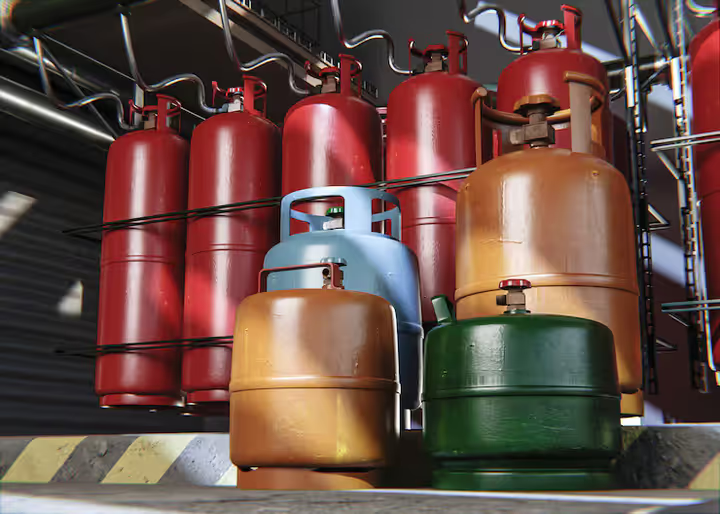
These cylinders exist because modern workplaces require flexible fuel storage solutions. Fixed pipelines are not always practical, especially in temporary or mobile environments. Gas cylinders enable controlled fuel distribution while maintaining safety standards. Their design includes pressure-resistant materials, valve mechanisms, and standardized fittings that allow consistent performance across various applications.
Understanding commercial gas cylinders in everyday business operations
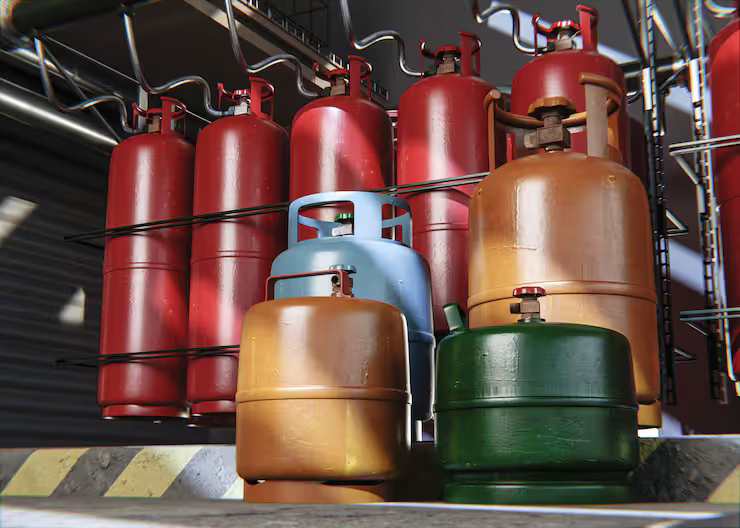
Commercial gas cylinders are usually manufactured from steel or composite materials. They are engineered to handle high pressure and ensure stable fuel storage. Different industries depend on different types of gases. For example, hospitality businesses often rely on LPG cylinders for cooking equipment, while fabrication workshops may use oxygen and acetylene cylinders for metal cutting.
Key features commonly associated with these cylinders include:
-
Durable construction designed for industrial environments
-
Pressure control valves that regulate gas flow
-
Color coding or labeling systems to identify gas type
-
Compatibility with gas distribution systems and fuel management setups
Businesses often adopt cylinder rotation practices to maintain consistent energy supply. This approach helps avoid interruptions and supports productivity. Proper storage conditions, including ventilation and distance from ignition sources, are critical for safe operation.
Why commercial gas cylinders matter in today’s economic and industrial landscape
The importance of commercial gas cylinders has increased as industries focus on operational efficiency and workplace safety compliance. Reliable fuel storage supports uninterrupted production processes, energy optimization, and sustainability goals.
Several sectors benefit directly from the effective use of industrial gas storage:
-
Food preparation facilities that depend on consistent heat energy
-
Healthcare environments that rely on medical gases
-
Manufacturing plants requiring controlled fuel supply
-
Infrastructure projects needing portable energy solutions
The ability to transport and store fuel safely helps organizations maintain continuity. In regions with growing urban development, commercial gas cylinder usage has become closely linked with infrastructure expansion. Businesses also consider energy efficiency management strategies to reduce fuel wastage and environmental impact.
The following table shows how different sectors typically use gas cylinders:
| Industry Segment | Common Gas Type | Typical Application |
|---|
| Hospitality and catering | LPG | Cooking equipment and heating |
| Healthcare facilities | Oxygen, nitrous oxide | Medical support and patient care |
| Construction and welding | Acetylene, oxygen | Metal cutting and fabrication |
| Beverage and food storage | Carbon dioxide, nitrogen | Refrigeration and packaging |
Recent updates and trends shaping commercial gas cylinder usage
Over the past year, several developments have influenced how businesses manage fuel storage. In 2025, many industrial regions reported increased adoption of digital fuel monitoring systems. These systems use sensors and connected dashboards to track cylinder pressure levels and consumption patterns.
Another trend involves improved composite cylinder technology. Lightweight materials introduced in early 2024 gained wider acceptance during 2025 because they reduce transportation challenges and improve handling safety.
Environmental awareness has also shaped policy discussions. During late 2025, industry groups in multiple countries highlighted the importance of cleaner fuel transitions and efficient gas distribution infrastructure. This shift has encouraged businesses to review their fuel management strategies and explore energy optimization practices.
The chart below illustrates a simplified trend pattern in commercial cylinder adoption across selected sectors between 2023 and 2025:
This upward trend reflects increased reliance on portable fuel storage solutions, particularly in expanding urban and industrial zones.
Regulatory frameworks and safety compliance considerations
Commercial gas cylinder usage is guided by safety regulations and industrial standards. These rules are designed to minimize workplace hazards and ensure proper handling procedures. In India, guidelines related to gas storage and handling are shaped by national safety authorities and petroleum regulations. Similar frameworks exist globally to address risk management and environmental protection.
Common regulatory requirements typically include:
-
Periodic cylinder inspection and certification
-
Proper labeling and identification of gas type
-
Safe storage distance from heat sources or electrical equipment
-
Training for personnel involved in cylinder handling
Government initiatives in several countries during 2024 and 2025 also emphasized industrial safety awareness. These initiatives encouraged businesses to implement structured safety training programs and adopt updated compliance checklists.
The table below summarizes typical compliance checkpoints:
| Compliance Area | Key Requirement | Purpose |
|---|
| Cylinder testing | Scheduled pressure integrity checks | Prevent leakage and structural failure |
| Storage standards | Ventilated, shaded storage zones | Reduce accident risk |
| Handling procedures | Protective equipment usage | Improve worker safety |
| Documentation | Maintenance records and inspection logs | Ensure accountability and traceability |
Useful tools and digital resources for fuel management and cylinder safety
Modern businesses increasingly rely on technology to manage industrial gas storage. Various digital tools and online platforms help monitor consumption, schedule maintenance, and maintain compliance documentation.
Helpful resources often include:
-
Cylinder tracking applications that record usage patterns
-
Safety checklist templates for workplace audits
-
Energy efficiency calculators that estimate fuel consumption trends
-
Government portal websites offering compliance guidelines
-
Training modules focused on hazard awareness and emergency response
Some organizations also integrate cylinder data with enterprise resource planning systems. This integration supports predictive maintenance and operational planning. Access to structured information enables better decision-making and supports sustainable energy management goals.
Frequently asked questions about commercial gas cylinders
What is the main difference between domestic and commercial gas cylinders?
Commercial cylinders are typically larger, designed for higher fuel demand, and built for continuous industrial use. They often include advanced valve systems and stricter compliance requirements.
How often should industrial gas cylinders be inspected?
Inspection schedules vary depending on national regulations and gas type. Many standards recommend periodic checks every few years along with routine visual inspections during daily operations.
Why is proper storage ventilation important?
Ventilation helps disperse gas in case of leakage, reducing the likelihood of accumulation that could create hazardous conditions. This is a key element of workplace safety compliance.
Can digital monitoring improve fuel management?
Yes. Digital monitoring tools provide real-time data on pressure levels and consumption trends. This information helps businesses plan usage and maintain operational continuity.
Are composite cylinders replacing traditional steel cylinders?
Composite cylinders are gaining popularity due to lighter weight and corrosion resistance. However, steel cylinders remain widely used because of durability and established industrial standards.
Conclusion
Commercial gas cylinders play a vital role in supporting modern business activities across multiple sectors. Their design allows flexible fuel storage and reliable energy distribution, which contributes to productivity and operational stability. As industries expand and safety expectations evolve, organizations are focusing more on compliance frameworks, digital monitoring solutions, and energy efficiency strategies.
Understanding recent trends, regulatory obligations, and available tools helps businesses manage industrial gas storage responsibly. With continued technological progress and growing awareness of environmental considerations, commercial gas cylinders are likely to remain an important component of industrial infrastructure in the years ahead.