An Informative Guide to Hydraulic Press Machines for Industrial Use
Hydraulic press machines are industrial devices that use fluid power to generate compressive force. They operate on Pascal’s principle, where pressure applied to a confined fluid is transmitted equally in all directions. This simple physical law enables hydraulic press machines to perform tasks that require controlled and consistent force.
In industrial environments, these machines are commonly used for shaping, forming, compacting, or assembling materials. Metals, plastics, rubber, composites, and even recycled materials are processed using hydraulic press systems. Their design allows precise control over pressure, speed, and movement, making them suitable for a wide range of manufacturing processes.
Over time, hydraulic press machines have evolved from purely mechanical systems into digitally monitored equipment. Modern versions often integrate sensors, programmable logic controllers, and safety mechanisms to improve reliability and efficiency.
Importance: Why Hydraulic Press Machines Matter Today
Hydraulic press machines play a critical role in modern industrial production. As manufacturing processes demand higher precision and consistency, these machines help achieve uniform results while minimizing material stress.
Industries that rely heavily on industrial hydraulic press equipment include:
-
Automotive and transportation manufacturing
-
Heavy engineering and metal fabrication
-
Aerospace component forming
-
Electrical and electronics assembly
-
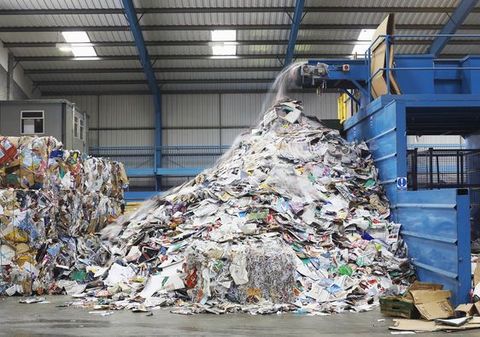
Recycling and waste processing industries
These machines help address several industrial challenges. They allow manufacturers to apply controlled force without sudden impact, which reduces the risk of material failure. They also support repeatable operations, which is essential for quality assurance and standardization.
With growing emphasis on automation and operational safety, hydraulic press technology remains relevant. It supports scalable production while aligning with stricter workplace safety expectations and energy-efficiency goals.
Recent Updates: Trends and Developments in the Past Year
The past year has seen steady innovation in hydraulic press machine design and operation. Between late 2024 and 2025, manufacturers and industrial bodies have focused on efficiency, monitoring, and compliance.
Key recent developments include:
-
Energy-efficient hydraulic systems (2024–2025)
Updated hydraulic circuits and variable-speed pumps are being adopted to reduce idle energy usage and heat generation. -
Digital monitoring and predictive maintenance
Sensor-based systems now track pressure, temperature, and cycle data in real time. This trend gained traction in 2024 as industries aimed to reduce unplanned downtime. -
Improved safety integration
Enhanced guarding, dual-hand controls, and automated shutdown features have been refined in line with updated safety expectations observed in 2025. -
Material versatility
Recent designs support a wider range of materials, including advanced alloys and composites, reflecting changes in manufacturing requirements.
These updates reflect a broader shift toward smart industrial equipment that balances performance, safety, and sustainability.
Laws and Policies: Regulatory Influence on Hydraulic Press Usage
Hydraulic press machines are subject to industrial safety and equipment regulations in many countries. While specific rules vary by region, the underlying focus remains worker safety, machine integrity, and operational accountability.
Common regulatory influences include:
-
Occupational safety standards
Regulations often require proper guarding, emergency stop systems, and operator training for hydraulic press operation. -
Machine certification and compliance
Standards such as ISO 16092 (machine tools safety) have influenced press design and testing requirements, with updates referenced through 2024. -
Environmental and energy policies
Many industrial guidelines now encourage reduced energy consumption and proper handling of hydraulic fluids to prevent environmental harm.
In countries like India, hydraulic press machines used in factories are typically governed by factory safety rules and labor regulations. These policies shape how machines are installed, maintained, and monitored within industrial premises.
Tools and Resources: Helpful References for Learning and Management
Several tools and resources support understanding and managing hydraulic press machines in industrial settings. These resources focus on education, calculation, and compliance rather than commercial activity.
Useful resources include:
-
Hydraulic force and pressure calculators
Online calculation tools help estimate required pressure and force based on material and application parameters. -
Engineering reference websites
Technical portals and standards organizations publish guidelines on hydraulic press design, safety, and performance. -
Maintenance planning templates
Digital checklists and documentation formats assist in tracking inspections, lubrication schedules, and component wear. -
Industrial safety manuals
Published manuals outline best practices for operating and maintaining hydraulic press equipment in compliance with regulations.
These tools support informed decision-making and safe operation across different industrial contexts.
Informational Table: Common Types of Hydraulic Press Machines
| Hydraulic Press Type | Typical Application Area | Key Characteristic |
|---|---|---|
| H-frame press | Metal forming, stamping | Strong frame support |
| C-frame press | Assembly operations | Easy access design |
| Four-column press | Precision molding | Uniform force distribution |
| Bench press | Small component tasks | Compact footprint |
This table highlights how different press designs align with specific industrial needs.
Graph Representation: Hydraulic Press Force vs. Application Scale
The graph illustrates how force requirements increase with application scale, emphasizing the versatility of industrial hydraulic press machines.
FAQs: Common Questions About Hydraulic Press Machines
What is a hydraulic press machine used for?
A hydraulic press machine is used to apply controlled compressive force for shaping, forming, compacting, or assembling materials in industrial processes.
How does a hydraulic press differ from a mechanical press?
Hydraulic presses use fluid pressure to generate force, allowing smoother and more controlled operation, while mechanical presses rely on mechanical motion and fixed force output.
Are hydraulic press machines suitable for precision work?
Yes, modern hydraulic press systems offer precise control over pressure and movement, making them suitable for applications requiring accuracy and repeatability.
What safety features are commonly associated with hydraulic presses?
Typical safety features include emergency stop controls, protective guarding, pressure relief valves, and two-hand operation systems.
Do regulations affect hydraulic press machine design?
Yes, safety and industrial standards influence machine construction, control systems, and operational guidelines to ensure safe use in industrial environments.
Conclusion
Hydraulic press machines remain a foundational element of industrial manufacturing. Their ability to apply controlled force across diverse materials makes them indispensable in many sectors. As industries evolve, these machines continue to adapt through digital monitoring, improved safety systems, and energy-efficient designs.
Understanding how hydraulic press machines work, why they matter, and how regulations shape their use helps stakeholders make informed decisions. With ongoing technological refinement and regulatory alignment, hydraulic press technology is expected to remain relevant in industrial operations for years to come.