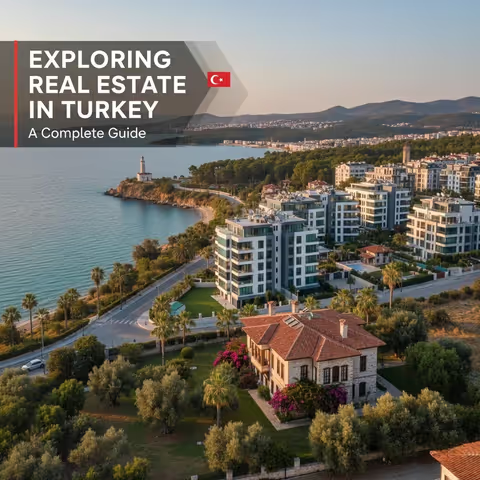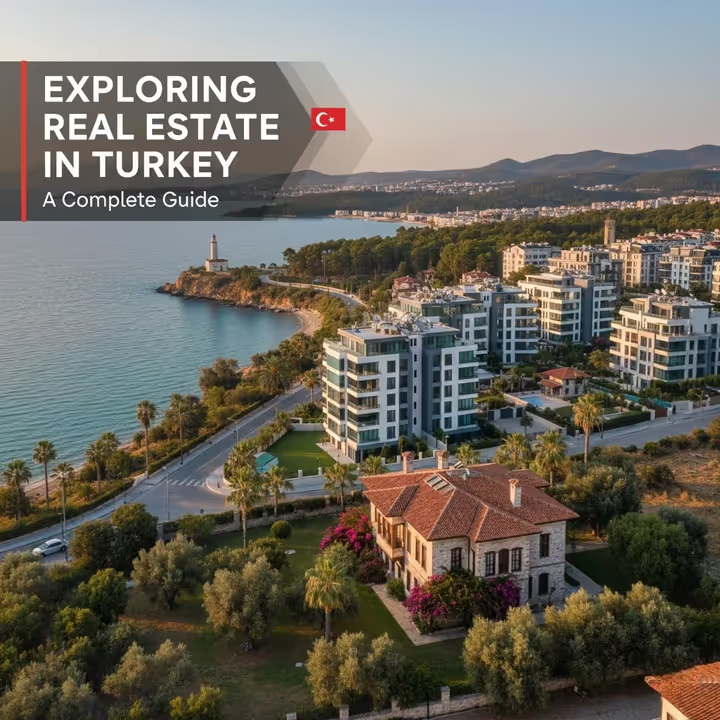
Exploring real estate works in Turkey: A Complete Guide
Real estate in Turkey has evolved into a structured sector shaped by urban planning, infrastructure expansion, and a growing interest in regulated property development. The topic exists because the country continues to experience major reconstruction, zoning improvements, and modernization efforts, especially in metropolitan regions such as Istanbul, Ankara, and Izmir. These changes have influenced how land is used, managed, documented, and transferred under the national framework.
Real estate works incorporate multiple processes such as zoning approvals, title deed documentation, building compliance checks, and environmental assessments. Each of these components forms an essential part of how property development and land utilization progress across the country.
Turkey’s regulatory ecosystem ensures that real estate activities follow national urban transformation strategies, environmental protection standards, and municipal guidelines. As a result, the sector’s structure reflects a balance between growth, safety, modernization, and compliance with the country’s long-term development plan.
Why Real Estate Works Matter Today
Real estate works in Turkey matter because they directly influence urban transformation, environmental sustainability, and property stability. The country has been undergoing rapid modernization, especially through urban transformation programs, aimed at strengthening older structures and creating earthquake-resilient cities. These activities affect residents, businesses, developers, and investors who rely on transparent documentation, accurate zoning details, and updated compliance standards.
These processes solve several major concerns:
-
Ensuring buildings follow earthquake-resistant construction guidelines
-
Maintaining transparency through centralized land records
-
Supporting sustainable expansion through controlled zoning
-
Improving long-term infrastructure planning
-
Reducing risks associated with outdated structures
For foreign individuals studying or exploring property trends, understanding real estate works in Turkey helps clarify how the national framework supports regulated development and safe habitation across different regions.
Recent Updates and Trends in Turkey’s Real Estate Landscape
Over the past year, several key updates have shaped how real estate works across the country. These developments reflect national priorities around safer construction, improved digital access, and more organized zoning practices.
1. Digital Transformation in Land Registries (2024–2025)
The General Directorate of Land Registry and Cadastre expanded digital platforms to simplify title deed tracking and documentation processes. This includes enhancing the “Web-Tapu” system, which now allows easier document submission and appointment scheduling. These updates support transparency, improved record accuracy, and easier verification.
2. Strengthened Urban Transformation Priorities
In 2024, the government emphasized accelerated urban transformation in risk-prone regions. Urban renewal has become a national focus, promoting earthquake-resistant structures and updated municipal standards.
3. Updated Environmental Impact Requirements
Across 2024–2025, environmental impact guidelines gained more attention as sustainable development became a priority. New criteria encourage green-space planning, energy-efficient building materials, and environmental monitoring.
4. Increased Focus on Residential Zoning Rules
Several municipalities introduced refined zoning guidelines aimed at regulating building heights, floor-area ratios, and infrastructure capacity. These updates improve urban density management and ensure development aligns with long-term planning strategies.
5. Notable Infrastructure Developments
Large-scale transportation and infrastructure projects, such as railway expansions and new regional connections, continue to influence zoning boundaries and infrastructure mapping. These projects contribute to regional growth, shape land value dynamics, and guide future urban planning.
Laws and Policies Affecting Real Estate Works in Turkey
Real estate works in Turkey operate within a clearly defined legal framework designed to maintain transparent land management and ensure safe development. The following laws and policies play a major role in shaping the sector:
Zoning and Planning Regulations
Municipalities control zoning decisions that determine land use, building permissions, construction heights, and infrastructure requirements. These zoning rules help maintain city planning coherence and regulate construction activity.
Title Deed and Land Registry Requirements
The Land Registry Law outlines procedures for properly documenting ownership, verifying boundaries, and maintaining centralized digital records through the national system. Proper documentation is essential for all land-related transactions.
Earthquake-Resistant Construction Regulations
Turkey enforces strict building standards through the Turkish Seismic Code. These guidelines ensure structures are resilient, reducing long-term risk in earthquake-sensitive regions. Compliance with seismic regulations is reviewed during construction permitting and technical inspections.
Environmental Protection Policies
Environmental Impact Assessment (EIA) rules apply to large-scale construction or development projects. These policies ensure sustainable land use, preservation of natural areas, and reduced environmental risks.
Foreign Ownership Regulations
Foreign nationals are allowed to own property within specific zoning categories, except in military zones or restricted security areas. Documentation requirements include identity verification, land survey checks, and adherence to the non-restricted zone list.
Tools and Resources for Understanding Real Estate Works in Turkey
Several platforms support individuals who want to explore the technical, legal, or administrative aspects of real estate works in Turkey. These resources provide access to zoning maps, title deed information, regulations, and urban transformation insights.
Useful Tools and Platforms
-
Web-Tapu System – Official platform for digital title deed operations
-
TKGM Parsel Sorgu – Online map system for land-parcel inquiries and zoning details
-
e-Devlet Portal – Government portal that connects users to municipal records, land documents, and public registries
-
Urban Transformation Information Portal – Provides insights into ongoing urban renewal projects
-
Municipal Zoning Map Services – Regional online portals used to check zoning status, land use categories, and construction limits
Common Supportive Resources
-
Land-parcel calculators for checking dimensions
-
Online mapping tools for infrastructure visualization
-
Official PDF guidelines for zoning and compliance
-
Environmental impact templates available through ministry portals
Table: Key Elements of Real Estate Works in Turkey
| Category | Description |
|---|---|
| Zoning Regulations | Determines land use, density, and permitted construction types |
| Title Deed Documentation | Managed by the Land Registry Office; ensures transparent ownership |
| Environmental Guidelines | Requires assessments for sustainable development |
| Urban Transformation Efforts | Focus on safer structures and modernization |
| Technical Compliance Standards | Applies to materials, safety, and seismic regulations |
FAQs About Real Estate Works in Turkey
1. What is the role of zoning in Turkey’s real estate structure?
Zoning regulates how land can be used, including residential, commercial, industrial, or green-space functions. It defines construction limits, building heights, and density controls.
2. How are title deeds managed in Turkey?
Title deeds are managed by the Land Registry and Cadastre system, which maintains centralized digital records. The Web-Tapu system allows individuals to check documentation details online.
3. Are there environmental requirements for development projects?
Large-scale developments require Environmental Impact Assessments (EIA) that examine ecological risks, sustainability measures, and compliance with environmental protection laws.
4. Can foreign nationals explore real estate works in Turkey?
Yes, foreign nationals can explore property trends within zoning-approved areas. Restrictions apply only in military zones or areas designated as sensitive for national security.
5. How does urban transformation affect real estate works?
Urban transformation improves building safety, modernizes older districts, and follows national seismic standards. It influences zoning updates and infrastructure planning across many cities.
Conclusion
Real estate works in Turkey operate through well-established procedures shaped by zoning policies, environmental guidelines, urban transformation requirements, and digital land registry systems. These elements contribute to an organized and transparent real estate environment focused on safety, modernization, and sustainable planning.
Recent updates highlight the country’s continued focus on digital transformation, risk-reduction strategies, and improved planning guidelines. For anyone studying or researching property-related topics, understanding these processes helps provide a clearer picture of how Turkey manages land use, development, documentation, and compliance