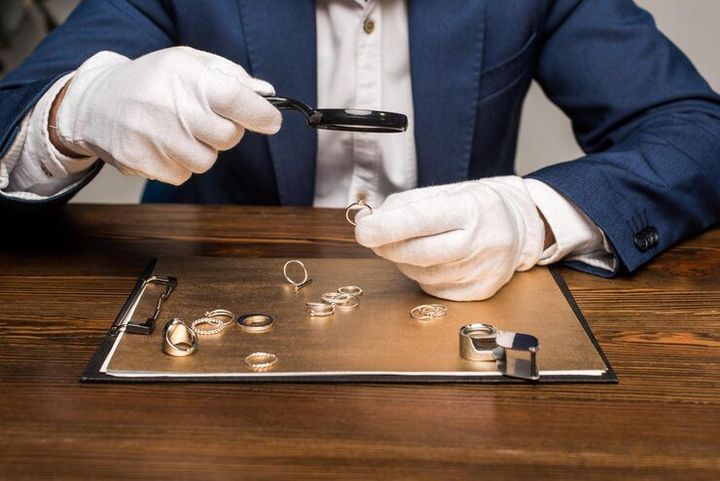
Jewellery Appraisal Guide With Expert Guide to Gemstone Grading and Quality Assessment
Jewellery appraisal is the process of examining a jewelry item and documenting its characteristics, materials, gemstones, craftsmanship, and estimated monetary value for a defined purpose.
An appraisal may be prepared for insurance documentation, estate records, personal documentation, taxation matters, or other situations where a formal assessment is required. The process is different from a simple visual inspection because it considers measurable characteristics and supporting documentation.
A jewellery appraisal can involve rings, necklaces, earrings, bracelets, brooches, watches containing gemstones, and other decorative pieces. The assessment normally considers the metal, gemstones, construction, condition, dimensions, identifying marks, and available laboratory reports or purchase documentation.
Gemstone grading is another important part of the process. It involves examining characteristics such as color, clarity, cut, carat weight, dimensions, treatments, and sometimes geographic or material origin. The methods used for grading can differ between diamonds and colored gemstones because each gemstone type has distinct physical and optical properties.
Quality assessment therefore requires more than simply examining how attractive a piece appears. Professional examination can involve magnification, measurement instruments, gemstone testing equipment, metal analysis, comparison with reference information, and examination of existing documentation.
What a Jewellery Appraisal Contains
A formal appraisal may include information about the item and the basis used for the assessment. Typical details can include:
Jewelry type and description
Metal type and fineness
Gemstone identity
Gemstone measurements
Total or individual carat weight
Diamond characteristics where applicable
Gemstone treatments
Manufacturing or craftsmanship details
Condition assessment
Identifying marks or inscriptions
Supporting laboratory documentation
Stated appraisal purpose
Valuation date and methodology
The purpose of an appraisal is important because different valuation approaches can produce different results. An insurance-related replacement assessment, for example, is not necessarily the same as an assessment prepared for an estate or another financial purpose.
Appraisal and Gemstone Grading
Jewellery appraisal and gemstone grading are related but distinct activities. A gemstone grading report generally focuses on the characteristics of a particular stone, while a jewelry appraisal considers the complete item, including its gemstones, metal, craftsmanship, condition, and stated valuation purpose.
A diamond grading report may describe characteristics such as color, clarity, cut, carat weight, measurements, proportions, and identifying features. Colored gemstone reports may focus on species, variety, color, treatment, and other identifying characteristics.
Importance
Jewellery appraisal matters because jewelry can contain valuable materials whose identity and characteristics are not always apparent from appearance alone. A formal assessment creates a written record that can be used to document what an item contains and how it was evaluated.
The process can also help identify differences between natural gemstones, laboratory-created materials, synthetic materials, and imitations. These distinctions are important because the terminology and characteristics of each material are different.
Who Uses Jewellery Appraisals?
Jewellery appraisals can be relevant to several groups and situations. Individual jewelry owners may use documentation to maintain records of their collections, while families may need assessments when organizing inherited jewelry.
Other situations can include:
Insurance documentation
Estate and inheritance records
Tax-related documentation where applicable
Jewelry collection records
Divorce or asset documentation
Donation records
Historical jewelry research
Authentication and identification
Damage documentation
Estate inventory preparation
The appropriate appraisal methodology depends on the reason for the assessment. A document prepared for one purpose should not automatically be treated as suitable for another.
Understanding Quality Assessment
Quality assessment examines multiple characteristics rather than relying on one feature. A gemstone with strong color may have different clarity characteristics from another stone of the same species. Likewise, two diamonds with similar carat weights can have different proportions, clarity characteristics, or cutting patterns.
The following factors are commonly considered:
Identity determines what gemstone or material is present.
Color describes hue, tone, and saturation where applicable.
Clarity considers internal and surface characteristics.
Cut examines proportions, facets, symmetry, and finish.
Carat weight records the weight of the gemstone.
Treatment identifies processes that may have altered appearance or durability.
Condition records wear, damage, repairs, or structural changes.
Recent Updates
From 2024 through 2026, jewellery appraisal and gemstone assessment have continued to incorporate digital documentation, advanced identification instruments, laboratory analysis, and improved methods for recording gemstone characteristics. The broader direction has been toward more detailed documentation and greater distinction between different gemstone materials.
Digital Appraisal Records
Digital documentation can make it easier to store photographs, measurements, reports, item descriptions, and appraisal information together. High-resolution photography can record identifying features, engraving, gemstone arrangements, and visible condition.
Digital records can also support collection management. Jewelry owners and institutions may maintain organized records containing photographs, documentation numbers, measurements, and historical information.
Advanced Gemstone Identification
Modern gemological laboratories use instruments that can examine optical, physical, and chemical characteristics. Depending on the gemstone, testing can include refractive-index measurement, spectroscopy, microscopy, fluorescence examination, specific-gravity analysis, and other laboratory techniques.
These methods can help distinguish natural gemstones from laboratory-created or treated materials. No single instrument is appropriate for every gemstone, so testing methods are selected according to the material being examined.
Laboratory-Grown Diamonds
Laboratory-grown diamonds remain an important part of modern diamond identification and documentation. They have essentially the same chemical composition and crystal structure as natural diamonds but are produced through technological processes rather than geological formation.
Identification reports and appropriate disclosure help distinguish laboratory-grown diamonds from natural diamonds. This distinction is separate from the visual appearance of the finished jewelry.
Treatment Disclosure
Gemstone treatments continue to be an important part of quality assessment. Treatments can include heating, irradiation, filling, dyeing, impregnation, coating, or other processes depending on the gemstone.
A treatment can affect appearance, durability, care requirements, and documentation. An appraisal or gemstone report should therefore record known treatments when relevant information is available.
Laws or Policies
Jewellery appraisal is influenced by consumer-protection rules, gemstone disclosure requirements, precious-metal standards, laboratory practices, taxation rules, insurance documentation requirements, and trade regulations. The exact requirements differ by jurisdiction and by the purpose of the appraisal.
Gemstone Disclosure
Jewelry descriptions generally need to distinguish natural gemstones from laboratory-created, synthetic, treated, and imitation materials where applicable. The terminology used should accurately describe the material.
For example, a treated natural gemstone remains a natural gemstone that has undergone a particular process, while an imitation is a different material used to resemble another gemstone. These categories should not be treated as interchangeable.
Precious-Metal Identification
Gold, silver, platinum, and other precious metals may be subject to fineness, hallmarking, or identification requirements. Marks on jewelry can provide information about metal composition, manufacturer identity, or other characteristics depending on the jurisdiction.
An appraiser may examine these markings as part of the identification process. However, a visible mark should be interpreted together with other evidence rather than considered conclusive in every situation.
Appraisal Documentation
An appraisal document should clearly identify its purpose, valuation date, methodology, and relevant assumptions. Regulations and professional standards can establish documentation expectations in particular markets or circumstances.
A valuation can change over time because gemstone markets, metal prices, craftsmanship, availability, and economic conditions can change. An appraisal therefore represents an assessment based on the information and methodology applicable at a stated time.
Tools and Resources
Jewellery appraisal and gemstone grading can involve both basic measuring tools and specialized laboratory instruments. A jeweler's loupe or microscope can provide magnified views of gemstones, settings, inscriptions, and surface characteristics.
Digital scales can measure gemstone or jewelry weight with appropriate precision. Calipers can record gemstone dimensions, while refractometers and other gemological instruments can assist with identification for suitable materials.
Useful resources include:
Gemstone identification references
Diamond grading reports
Gemological microscopes
Measuring calipers
Precision scales
Refractometers
Spectroscopy equipment
UV examination equipment
Metal-testing instruments
Jewelry photography systems
Digital appraisal templates
Collection-management software
Condition-assessment checklists
A simplified quality-assessment framework is shown below:
| Assessment Area | What Is Examined | Typical Documentation |
|---|---|---|
| Gemstone Identity | Species, variety, and material type | Gemstone report |
| Color | Hue, tone, saturation | Written description |
| Clarity | Internal and surface features | Grading description |
| Cut | Shape, proportions, facets, finish | Measurement record |
| Carat Weight | Gemstone weight | Scale measurement |
| Treatment | Evidence or disclosure of treatment | Report or appraisal note |
| Metal | Type and fineness | Metal marks or testing |
| Condition | Wear, damage, repairs | Condition description |
| Craftsmanship | Setting and construction | Appraisal notes |
Photographic Documentation
Photography can be useful for documenting jewelry condition and identifying characteristics. Images may record the front, back, side profiles, hallmarks, clasps, settings, and individual gemstones.
Consistent lighting and magnification can make comparison easier when an item is examined again. Photographs do not replace physical examination, particularly when gemstone identity or treatment needs to be determined.
Understanding Appraisal Values
An appraisal value should always be interpreted according to its stated purpose. Replacement-oriented assessments, market-related assessments, estate valuations, and other approaches can use different assumptions.
The date of valuation also matters. Jewelry markets are not static, and metal prices, gemstone availability, craftsmanship, and market conditions can change over time. An older appraisal may therefore not represent a current assessment.
FAQs
What is a jewellery appraisal?
A jewellery appraisal is a documented assessment describing a jewelry item's materials, gemstones, craftsmanship, condition, and value for a specified purpose. The methodology and valuation depend on the reason for the appraisal.
How does gemstone grading work?
Gemstone grading examines characteristics such as identity, color, clarity, cut, carat weight, dimensions, and treatments. The exact grading approach varies according to the gemstone type.
What is included in a jewellery appraisal guide?
A jewellery appraisal guide generally explains identification, gemstone characteristics, metal composition, craftsmanship, condition, documentation, valuation methodology, and the purpose of the assessment.
Are gemstone grading and jewellery appraisal the same?
No. Gemstone grading primarily evaluates a particular gemstone, while a jewelry appraisal evaluates the complete jewelry item and may incorporate gemstone reports, metal characteristics, craftsmanship, condition, and valuation information.
Why are gemstone treatments important in quality assessment?
Treatments can change a gemstone's appearance, durability, care requirements, or documentation. Identifying known treatments helps provide a more complete description of the gemstone and its characteristics.
Conclusion
Jewellery appraisal combines material identification, gemstone assessment, craftsmanship examination, condition review, documentation, and a defined valuation methodology. Gemstone grading focuses more specifically on characteristics such as identity, color, clarity, cut, carat weight, and treatment. Recent developments include digital records, advanced gemological instruments, laboratory-grown diamond identification, and greater attention to treatment disclosure. The meaning of an appraisal depends on its stated purpose, valuation date, methodology, and the evidence available during the assessment.