Vacuum Sealing Machines Guide With Packaging Technology and Preservation Insights
Vacuum sealing machines are packaging devices designed to remove air from a package before it is closed with a heat seal or another suitable closure method. Vacuum packaging technology is used across food preparation, manufacturing, laboratory environments, household storage, and various forms of product preservation.
By reducing the amount of oxygen surrounding a packaged item, the process can help limit oxidation, moisture exposure, and certain forms of quality deterioration. Understanding how vacuum sealing machines work provides useful background for choosing suitable packaging materials, operating equipment correctly, and understanding the practical limits of vacuum packaging.
Context
What Vacuum Sealing Machines Are
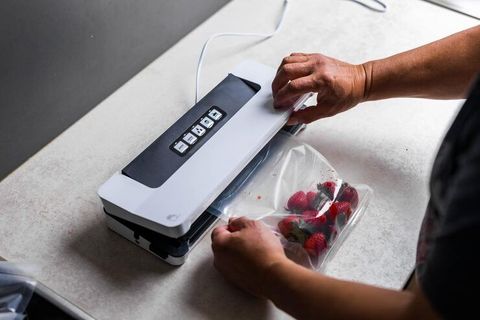
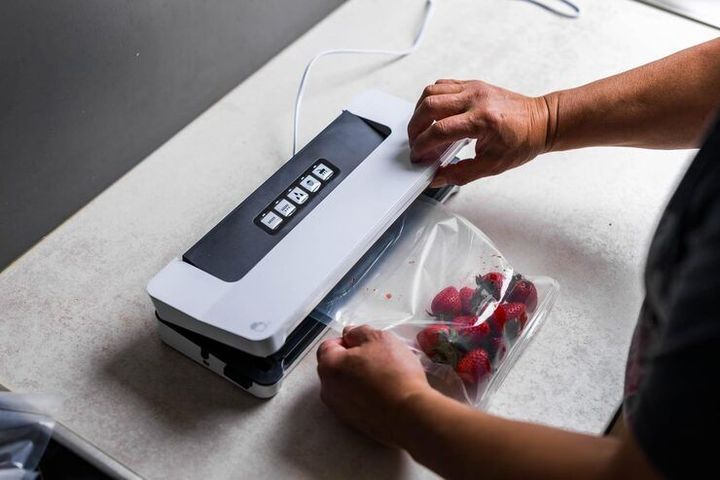
A vacuum sealing machine typically uses a pump to extract air from a specially designed package. Once the desired vacuum level is reached, the machine seals the opening so that outside air cannot easily return to the package.
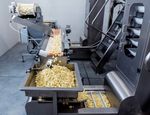
Different machine designs are intended for different applications. External vacuum sealers generally work with bags positioned outside the machine, while chamber vacuum machines place the entire package inside a chamber before air is removed. Industrial systems can incorporate automated conveyors, multiple sealing bars, sensors, and programmable controls.
Vacuum packaging developed from the broader need to protect products from environmental exposure. Oxygen, humidity, microorganisms, light, temperature changes, and physical handling can influence the condition of packaged materials. Packaging technology therefore combines physical protection with methods that control the environment surrounding a product.
How Vacuum Packaging Works
The basic process involves several stages:
- The product is placed inside a compatible packaging bag or container.
- Air is extracted from the package.
- The packaging material is compressed around the product.
- The opening is heat sealed or otherwise closed.
- The completed package is inspected for seal integrity and visible damage.
The amount of air removed depends on the machine, package design, material, product characteristics, and operating settings. A vacuum does not create a completely airless environment in the absolute sense. Small amounts of residual gases can remain inside the package.
Common Types of Equipment
Vacuum sealing machines can be grouped according to their operating design and intended workload.
| Machine Type | Typical Application | Main Characteristic |
|---|---|---|
| External Vacuum Sealer | Household and small-scale packaging | Bag remains outside the chamber |
| Chamber Vacuum Machine | Food and commercial packaging | Entire package enters the chamber |
| Double-Chamber Machine | Higher-volume packaging | Supports repeated packaging cycles |
| Conveyor Vacuum System | Industrial production | Designed for continuous workflows |
| Automatic Vacuum Packaging Line | Large-scale production | Integrates vacuuming, sealing, and handling |
Packaging materials also vary. Plastic barrier films, multilayer bags, pouches, and specialized food-grade materials can provide different levels of resistance to oxygen, moisture, puncture, and heat.
Importance
Why Vacuum Sealing Matters
Vacuum packaging can reduce the amount of oxygen surrounding a packaged product. For certain foods, lower oxygen exposure can slow oxidation and help maintain characteristics such as appearance, aroma, and texture when combined with appropriate storage conditions.
For household use, vacuum sealing can make packages more compact and help reduce exposure to air and moisture. It can also provide a practical way to organize portions of food or other compatible materials.
In industrial environments, packaging technology can support standardized handling and storage. Consistent sealing parameters can make packages easier to inspect, label, transport, and store.
Who Uses Vacuum Packaging
Vacuum sealing machines are used by several groups, including:
- Households preparing food for refrigerated or frozen storage
- Food processors packaging prepared or raw products
- Restaurants and commercial kitchens managing portions
- Manufacturers protecting components from moisture or oxidation
- Laboratories handling compatible non-hazardous materials
- Retail and distribution operations using sealed packaging formats
The appropriate machine depends on the product, package dimensions, production volume, material requirements, and environmental conditions.
Preservation Benefits and Limitations
Vacuum packaging is sometimes associated with longer storage periods, but removing air alone does not make food permanently safe or shelf-stable. Temperature control, hygiene, product acidity, moisture content, packaging material, and storage conditions remain important.
Some microorganisms can grow in low-oxygen environments. For this reason, vacuum-sealed food requires appropriate handling and storage based on the type of product. Vacuum sealing should be viewed as one part of a broader food preservation system rather than a replacement for refrigeration, freezing, cooking, or other appropriate controls.
Packaging Quality Factors
A reliable package depends on more than the vacuum level. Seal temperature, sealing time, material thickness, package cleanliness, bag compatibility, and product placement can all influence the final result.
Sharp edges or bones can puncture packaging during sealing or subsequent handling. Liquids may also create challenges for certain external vacuum machines because liquid can move toward the pump if the equipment is not designed for that application.
Recent Updates
Developments in Packaging Technology
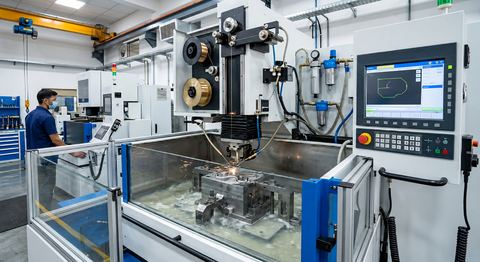
Recent developments have focused on automation, energy management, digital controls, material efficiency, and improved monitoring. Modern vacuum sealing machines may include programmable vacuum levels, adjustable sealing times, digital displays, automatic cycle controls, and sensors for detecting operating conditions.
Industrial packaging systems are increasingly integrated into broader production environments. Equipment can communicate with production controls, record process information, and support more consistent operating procedures.
Smarter Machine Controls
Digital interfaces have become increasingly common across commercial and industrial equipment. Operators can adjust vacuum duration, sealing temperature, sealing time, and other parameters depending on machine design.
Some systems also use sensors to identify incomplete cycles or irregular sealing conditions. These features can help operators identify packaging problems earlier, although inspection remains important.
Packaging Material Developments
Packaging manufacturers continue developing multilayer films and barrier materials with specific oxygen, moisture, and mechanical resistance characteristics. Material selection is increasingly connected with product requirements and packaging efficiency.
Another trend is the development of packaging structures that seek to use materials more efficiently while maintaining the required barrier and mechanical properties. Material compatibility remains important because not every film can be used with every vacuum sealing machine.
Automation and Production Integration
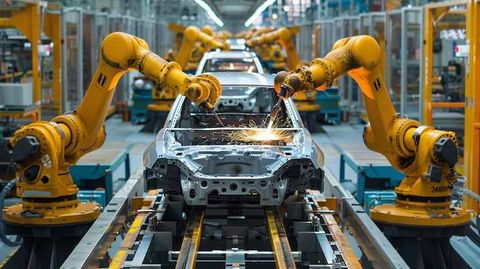
Industrial vacuum packaging equipment is increasingly connected with automated handling systems. Depending on the production environment, packaging lines can combine product positioning, vacuum extraction, sealing, labeling, inspection, and downstream handling.
Automation can reduce repetitive manual steps, but operators still need appropriate training, equipment checks, sanitation procedures where relevant, and packaging inspections.
Laws or Policies
Packaging and Food Safety Rules
Vacuum packaging can be affected by food safety, packaging material, labeling, waste management, workplace safety, and environmental rules. Requirements vary between countries and regulatory systems, so the exact obligations depend on where the product is manufactured, packaged, stored, distributed, or consumed.
Food packaging materials may need to meet requirements concerning substances that can come into contact with food. Packaging used for food applications should therefore be selected according to applicable material and food-contact requirements.
Storage and Labeling Requirements
Vacuum sealing does not remove the need for appropriate product labeling. Depending on the jurisdiction and product category, labels may include information such as ingredients, allergens, storage conditions, production information, expiration or use guidance, and handling instructions.
Businesses using vacuum packaging should also consider workplace requirements for electrical equipment, heating elements, moving components, and sanitation where food is processed.
Environmental Considerations
Packaging regulations in many regions increasingly address packaging waste, recyclability, material composition, and producer responsibilities. Vacuum packaging can use multilayer structures that provide useful barrier properties but may be more difficult to recycle than some single-material formats.
Environmental requirements therefore form an important part of packaging design decisions, particularly for organizations operating across multiple markets.
Tools and Resources
Equipment Selection Tools
Manufacturers' technical specifications can help users compare chamber dimensions, sealing-bar length, pump capacity, cycle controls, compatible packaging materials, and electrical requirements.
Useful evaluation points include:
- Maximum package dimensions
- Vacuum range or operating capability
- Sealing width
- Pump configuration
- Cycle duration
- Control options
- Compatible bag materials
- Cleaning and maintenance requirements
- Electrical specifications
- Available safety features
Packaging Calculators and Templates
Packaging professionals may use material calculators, package dimension worksheets, storage planning templates, and production-volume spreadsheets. These resources can help estimate packaging requirements and organize operating information.
Food preservation references, packaging material documentation, equipment manuals, and applicable regulatory guidance can also provide useful background when developing packaging procedures.
Maintenance and Inspection Resources
Routine inspection can include checking sealing bars, gaskets, vacuum chambers, hoses, filters, electrical connections, and package seals. The exact maintenance schedule depends on equipment design and operating conditions.
A simple inspection record can include machine identification, operating settings, inspection date, observed issues, cleaning activities, and corrective actions. Such records can help identify recurring packaging problems.
FAQs
What are vacuum sealing machines used for?
Vacuum sealing machines are used to remove air from compatible packages before sealing them. They are commonly used for food packaging, storage, product protection, and selected industrial applications.
How does vacuum packaging help preserve food?
Vacuum packaging reduces the amount of air around food, which can slow certain oxidation processes and reduce exposure to environmental contaminants. It does not replace appropriate refrigeration, freezing, cooking, hygiene, or temperature control.
What is the difference between a chamber vacuum machine and an external vacuum sealer?
An external vacuum sealer generally extracts air from a bag positioned outside the machine. A chamber vacuum machine places the package inside a chamber, allowing the chamber and package environment to be controlled during the vacuum cycle.
Which packaging materials work with vacuum sealing machines?
Compatible materials depend on the machine and application. Vacuum-compatible barrier bags, pouches, and multilayer films are commonly used. The material must be suitable for the machine's sealing temperature and intended product.
Can vacuum sealing make food shelf-stable?
Vacuum sealing alone does not make most foods shelf-stable. Storage temperature, food characteristics, processing methods, packaging materials, and applicable food-safety procedures all influence safe storage conditions.
Conclusion
Vacuum sealing machines use controlled air removal and package sealing to support various forms of product protection and preservation. Their applications range from household food storage to automated industrial packaging technology. Machine design, packaging material, sealing conditions, storage environment, and regulatory requirements all influence the final packaging result. Understanding these factors provides a practical foundation for using vacuum packaging appropriately.