Explore Hydrogen Compressors With Modern Compression Systems and Industrial Applications
Hydrogen compressors are mechanical systems designed to raise the pressure of hydrogen gas so it can be transported, stored, processed, or used in industrial equipment. Hydrogen has a very low density at ordinary atmospheric pressure, so compression is an important part of many hydrogen infrastructure systems.
Hydrogen compression technology has existed for decades in chemical processing, petroleum refining, industrial gas production, and laboratory applications. Its role has expanded as hydrogen is being considered for energy storage, transportation, industrial heating, fuel-cell systems, and other applications.
Unlike some conventional gases, hydrogen creates particular engineering challenges. Its small molecules can pass through very small gaps, and some metals can experience hydrogen-related material degradation under certain conditions. These characteristics influence compressor design, sealing arrangements, materials, lubrication methods, and maintenance requirements.
Modern compression systems therefore combine mechanical equipment with monitoring and control technologies. Depending on the application, a system may include a compressor, valves, cooling equipment, pressure sensors, control units, filtration components, storage connections, and safety equipment.
How hydrogen compression works
The basic principle is straightforward. Hydrogen enters the compressor at a lower pressure, mechanical or other energy is applied to reduce its volume, and the compressed gas leaves at a higher pressure.
Compression can generate heat, so cooling is often incorporated between compression stages. Multistage compression can divide the pressure increase into several steps, helping manage temperature and mechanical loads.
Common hydrogen compressor categories include:
- Reciprocating compressors that use pistons to compress gas.
- Diaphragm compressors that separate the gas from moving mechanical components.
- Screw compressors that use rotating elements.
- Centrifugal compressors that use high-speed rotating machinery for continuous gas movement.
- Ionic or other specialized compression technologies designed for particular hydrogen applications.
The appropriate configuration depends on pressure requirements, flow rate, hydrogen purity, operating conditions, and system design.
Importance
Hydrogen compressors matter because pressure management connects hydrogen production with practical storage, transportation, and utilization systems. Hydrogen may be generated at one pressure but required at another pressure for downstream equipment.
Compression can therefore be relevant across several parts of the hydrogen value chain. Examples include hydrogen production facilities, industrial processing plants, storage installations, pipelines, fueling infrastructure, and fuel-cell-related systems.
Industrial applications
Hydrogen compressors are used in different industrial environments. Their functions can include preparing hydrogen for storage, maintaining pipeline pressure, transferring hydrogen between equipment, and supplying gas at an appropriate pressure for processing.
Important application areas include:
- Chemical processing
- Petroleum refining
- Hydrogen production
- Industrial gas handling
- Energy storage
- Fuel-cell infrastructure
- Hydrogen transportation systems
- Laboratory and research facilities
- Metal processing and specialized manufacturing
Hydrogen compression can also support renewable hydrogen systems. Electrolyzers can produce hydrogen from water using electricity, while compressors can subsequently adjust the gas pressure for storage or downstream processes.
Challenges addressed by modern systems
A modern hydrogen compression system must consider more than pressure alone. Hydrogen leakage, heat generation, material compatibility, vibration, sealing, purity, and energy consumption can all influence system operation.
Hydrogen compressors commonly address several engineering requirements:
- Maintaining specified pressure ranges
- Controlling compression temperature
- Limiting hydrogen leakage
- Preserving gas purity
- Managing vibration and mechanical loads
- Monitoring pressure and temperature
- Supporting controlled gas transfer
- Reducing unnecessary equipment stress
The actual requirements vary according to the compressor type and operating environment.
Compression stages and pressure management
Different hydrogen applications require different pressure levels. A low-pressure industrial process may have very different requirements from a high-pressure storage or transportation application.
| System characteristic | Typical consideration |
|---|---|
| Gas being compressed | Hydrogen |
| Compression method | Reciprocating, diaphragm, screw, centrifugal, or specialized systems |
| Main input | Lower-pressure hydrogen |
| Main output | Higher-pressure hydrogen |
| Heat generation | Requires thermal management |
| Key monitoring | Pressure, temperature, vibration, leakage |
| Material consideration | Hydrogen compatibility |
| Application | Storage, processing, transportation, fueling, research |
The table represents general engineering considerations rather than specifications for a particular installation.
Recent Updates
From 2024 through 2026, hydrogen infrastructure has continued developing alongside electrolyzer projects, industrial decarbonization programs, hydrogen storage initiatives, and transportation-related projects. This has increased attention on compression efficiency, equipment reliability, system integration, and digital monitoring.
Smarter compression systems
Modern hydrogen compressors increasingly incorporate sensors and automated control systems. Pressure, temperature, vibration, and other operating parameters can be monitored continuously, allowing operators to identify changes in equipment behavior.
Digital monitoring can also support condition-based maintenance by providing operational information over time. This approach can help identify unusual vibration, temperature changes, pressure fluctuations, or other conditions requiring technical assessment.
Greater attention to energy efficiency
Compression itself requires energy, making compressor efficiency an important consideration in hydrogen infrastructure. Engineers are examining improved compression cycles, optimized cooling, variable operating strategies, and equipment configurations that can reduce unnecessary energy consumption.
Multistage compression with intermediate cooling is one established approach for managing heat during higher-pressure operation.
New compression approaches
Research and industrial development continues around technologies such as electrochemical compression, metal-hydride-based systems, ionic compression, and improved diaphragm designs. These technologies have different operating characteristics and are being studied for applications where conventional mechanical compressors may not provide the desired combination of pressure, purity, flow, and efficiency.
No single compression technology applies to every hydrogen system. Equipment selection remains dependent on the specific process requirements.
Laws or Policies
Hydrogen compression equipment is affected by multiple layers of rules because compressed hydrogen involves pressure, flammability, equipment integrity, electrical systems, and industrial safety.
Requirements vary by country and application. In many jurisdictions, facilities handling compressed hydrogen must comply with rules covering pressure equipment, hazardous areas, gas storage, electrical installations, transportation, worker protection, and emergency procedures.
Safety and equipment requirements
Hydrogen installations commonly require engineering controls for leakage detection, ventilation, pressure relief, isolation, and emergency shutdown. Pressure-containing equipment may also need inspection or certification under applicable pressure-equipment rules.
International standards and technical codes can provide additional guidance for hydrogen systems. Depending on the installation, relevant requirements may address:
- Pressure vessels and piping
- Hydrogen-compatible materials
- Gas detection
- Ventilation
- Electrical equipment
- Pressure relief systems
- Equipment testing
- Fire and emergency protection
- Transportation and storage
Government hydrogen programs can also influence infrastructure development through research funding, industrial programs, emissions policies, and energy planning. However, the specific requirements applicable to a hydrogen compressor depend on the country, facility type, pressure level, and intended use.
Tools and Resources
Several technical resources can help people understand or evaluate hydrogen compression systems. These include engineering calculators, compressor sizing software, pressure-drop calculators, thermodynamic models, equipment monitoring platforms, and technical standards databases.
Engineering and calculation tools
Pressure and temperature calculations are useful for understanding compression stages. Thermodynamic software can model gas behavior, compression work, cooling requirements, and system performance.
Common resources include:
- Hydrogen property databases
- Compressor sizing calculators
- Pressure and flow calculators
- Thermodynamic simulation software
- Piping and pressure-drop calculation tools
- Equipment condition-monitoring platforms
- Technical standards databases
- Hydrogen infrastructure research publications
A basic compressor assessment normally considers inlet pressure, outlet pressure, hydrogen flow rate, temperature, gas purity, operating cycle, and compressor configuration.
Selecting a compression approach
The selection process generally begins with the required pressure and flow conditions. Engineers then consider the gas purity requirement, operating frequency, available cooling, materials, sealing method, installation environment, and control requirements.
For example, a diaphragm compressor may be suitable where gas isolation and purity are important, while a reciprocating compressor can be applied across a range of industrial pressure and flow conditions. Centrifugal equipment can be considered for applications involving comparatively high continuous flow.
The final equipment configuration requires engineering analysis because hydrogen systems can have significant differences in operating conditions and safety requirements.
FAQs
What is a hydrogen compressor?
A hydrogen compressor is equipment that increases the pressure of hydrogen gas. It can be used for storage, transportation, industrial processing, fueling infrastructure, and other applications requiring controlled hydrogen pressure.
Why are hydrogen compressors important for hydrogen storage?
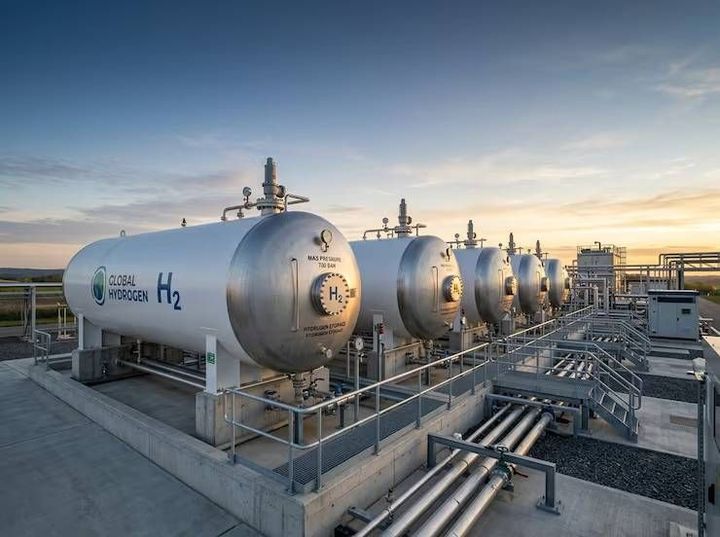
Hydrogen compressors can increase gas pressure so that hydrogen can be transferred into appropriately designed high-pressure storage systems. The required pressure depends on the storage technology and application.
Which hydrogen compressor types are used in industry?
Common types include reciprocating, diaphragm, screw, centrifugal, and specialized compression systems. The appropriate type depends on pressure, flow, purity, operating conditions, and system requirements.
How do modern compression systems improve hydrogen handling?
Modern systems can combine improved sealing, cooling, sensors, automated controls, and condition monitoring. These features help operators manage pressure, temperature, leakage, vibration, and equipment operating conditions.
What safety issues are associated with hydrogen compression?
Hydrogen is highly flammable and can leak through very small openings. Compression systems therefore require suitable materials, leak detection, ventilation, pressure relief, isolation controls, and procedures consistent with applicable safety requirements.
Conclusion
Hydrogen compressors play an important role in moving hydrogen between production, storage, transportation, and industrial applications. Modern compression systems combine mechanical compression with cooling, monitoring, controls, and hydrogen-compatible materials. Recent development has placed greater attention on energy efficiency, digital monitoring, specialized compression technologies, and infrastructure integration. The appropriate system depends on pressure, flow, purity, operating conditions, and applicable safety requirements.