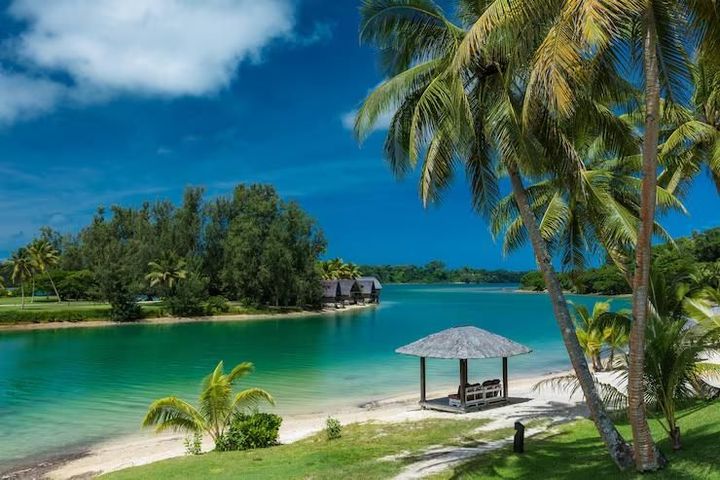
Tropical Beach Destinations Explore With Scenic Shores and Travel Planning
Tropical beach destinations are coastal areas located in or near warm regions where visitors can experience beaches, marine environments, outdoor activities, local culture, and different forms of accommodation.
These destinations are often associated with warm temperatures, sandy shores, clear or calm waters in selected areas, tropical vegetation, and activities connected with the sea.
Tropical beach travel developed alongside broader international tourism, improved transportation, coastal infrastructure, and growing interest in nature-based holidays. Today, travelers can find tropical destinations across Southeast Asia, the Indian Ocean, the Caribbean, the Pacific, Central America, Africa, and other warm coastal regions.
A tropical beach destination can be very different from another. Some locations have extensive resort areas and organized activities, while others are characterized by small coastal communities, protected natural areas, islands, fishing villages, or relatively undeveloped shorelines.
Travel planning involves more than selecting a beach. Weather patterns, transportation, accommodation, local regulations, seasonal conditions, health considerations, environmental rules, and available activities can all influence the experience.
Types of Tropical Beach Destinations
Tropical coastal destinations can generally be grouped according to their landscape and travel environment. Island destinations may provide beaches, lagoons, reefs, and marine activities within relatively compact areas. Mainland coastal destinations can provide access to larger cities, cultural attractions, national parks, and inland landscapes.
Common destination types include:
Tropical islands with beaches and marine environments
Coastal cities with beaches and cultural attractions
Remote coastal areas surrounded by natural landscapes
Reef destinations associated with snorkeling and diving
Family-oriented beach areas with varied activities
Nature-focused coastal regions
Fishing communities with local maritime traditions
The geography of each destination affects transportation, weather, accommodation, activities, and environmental conditions.
Understanding Scenic Shores
A scenic shore can include more than a wide sandy beach. Rocky coastlines, mangroves, coral reefs, cliffs, lagoons, tidal flats, dunes, and volcanic landscapes can all create distinctive coastal environments.
Beach appearance can also change according to tides, weather, sediment movement, seasonal conditions, and local geography. A destination described as a beach location may therefore contain several different types of shoreline.
Importance
Tropical beach destinations are significant parts of global tourism because they connect natural environments with recreation, accommodation, transportation, food, culture, and outdoor activities. Coastal travel also supports many communities whose economies are connected with tourism and marine environments.
For travelers, understanding destination characteristics can make planning more practical. A beach may look suitable for swimming but have strong currents, seasonal waves, rocky sections, or protected marine areas where certain activities are restricted.
Who Tropical Beach Travel Affects
Tropical beach tourism involves many groups, including:
International and domestic travelers
Coastal communities
Accommodation providers
Transportation operators
Tour guides and activity organizers
Restaurants and local food producers
Marine conservation groups
National parks and protected-area authorities
Local governments
Environmental organizations
Tourism can create demand for transportation, accommodation, food, recreation, and cultural activities. At the same time, high visitor numbers can create pressure on water resources, waste systems, beaches, reefs, and local infrastructure.
Weather and Seasonal Planning
Weather is one of the most important factors when planning tropical beach travel. Tropical regions can experience wet and dry seasons, monsoon patterns, tropical storms, high humidity, and significant changes in rainfall.
Travelers should examine the seasonal conditions of the specific destination rather than assuming that all tropical locations have identical weather. Ocean conditions can also change during different periods of the year.
Useful planning factors include:
Typical rainfall patterns
Temperature ranges
Ocean conditions
Storm or cyclone seasons
Humidity levels
Daylight hours
Seasonal wildlife activity
Local holiday periods
Choosing Activities
Tropical beach destinations can support different activities depending on geography and local rules. Swimming, snorkeling, diving, kayaking, sailing, hiking, wildlife observation, photography, and cultural visits are common possibilities.
Marine activities require attention to local conditions. Coral areas, strong currents, changing tides, marine animals, boat traffic, and protected zones can affect where and when particular activities are appropriate.
Recent Updates
From 2024 through 2026, tropical beach tourism has continued to develop around nature-based travel, environmental awareness, digital planning, flexible itineraries, and experiences that combine beaches with local culture.
Sustainable Coastal Tourism
Environmental considerations have become increasingly visible in destination planning. Coastal communities and tourism authorities are paying attention to waste management, reef protection, water use, beach erosion, marine habitats, and responsible visitor behavior.
Some destinations have introduced restrictions on single-use materials, visitor numbers, access to protected areas, anchoring, fishing, or activities around sensitive ecosystems. These measures vary by location.
Travelers may encounter designated marine parks, protected beaches, conservation zones, or regulated snorkeling and diving areas. Local instructions can change according to environmental conditions and conservation requirements.
Digital Travel Planning
Digital maps, weather applications, transportation platforms, accommodation calendars, and itinerary tools have made it easier to organize tropical travel before departure.
Travelers can examine distances between airports, beaches, accommodation areas, ferry terminals, national parks, and cultural attractions. Digital weather information can also help travelers understand changing conditions during a trip.
However, digital information should be treated as one planning resource rather than a substitute for local notices. Weather, transportation schedules, road conditions, and marine conditions can change quickly.
Experience-Based Travel
Beach travel is increasingly combined with activities beyond simply spending time on the shore. Travelers may combine coastal relaxation with hiking, cultural exploration, local food experiences, wellness activities, wildlife observation, or water sports.
This creates more varied itineraries and can distribute visitor activity across different parts of a destination. It can also increase the importance of understanding local cultural and environmental rules.
Coastal Conservation
Climate-related coastal pressures have increased attention toward shoreline protection and ecosystem management. Beach erosion, coral stress, changing rainfall patterns, rising temperatures, and extreme weather can influence coastal destinations.
Conservation programs may include mangrove restoration, reef protection, beach monitoring, waste reduction, and restrictions around sensitive habitats. Conditions differ considerably between destinations.
Laws or Policies
Tropical beach destinations are governed by national and local rules concerning tourism, immigration, environmental protection, marine activities, public safety, transportation, and protected areas. Requirements vary substantially between countries and individual destinations.
Beach and Marine Rules
Some beaches are located within protected marine areas or national parks. Rules may restrict fishing, collecting shells or coral, anchoring boats, touching marine organisms, using certain watercraft, or entering designated conservation zones.
Swimming and water sports can also be subject to local safety restrictions. Flags, warning signs, lifeguard instructions, and temporary closures may indicate changing conditions.
Environmental Protection
Environmental regulations can address waste disposal, wastewater, coastal development, marine pollution, wildlife protection, and construction near sensitive ecosystems.
Protected beaches may have specific rules governing access and visitor behavior. These measures are intended to protect habitats and maintain the physical characteristics of coastal environments.
Travel and Entry Requirements
International travelers may need passports, visas, entry permits, health documentation, travel insurance documentation, or other requirements depending on the destination.
Entry rules can change, so travelers should check the applicable government information for their destination before departure. Transportation and accommodation rules can also differ between jurisdictions.
Tools and Resources
Travel planning for tropical beach destinations can involve several practical resources. Weather applications help travelers examine rainfall, temperature, wind, and storm conditions. Digital maps can help identify beaches, transportation routes, protected areas, accommodation zones, and nearby attractions.
Travel itinerary platforms can organize transportation, accommodation, activities, and daily schedules. Currency calculators can assist with understanding prices in different currencies, while packing checklists can help travelers prepare for tropical conditions.
Useful resources include:
Weather and marine-condition applications
Digital mapping platforms
Travel itinerary planners
Currency conversion tools
Packing checklists
Transportation schedules
Accommodation calendars
National park information
Marine safety guidance
Travel insurance information
Local tourism information
Environmental and conservation guidance
A simple destination-planning framework can be represented as follows:
| Planning Factor | What to Check | Why It Matters |
|---|---|---|
| Weather | Rainfall and seasonal conditions | Affects outdoor activities |
| Ocean | Waves, tides, currents | Relevant to water activities |
| Transport | Flights, ferries, roads | Determines travel time |
| Accommodation | Location and facilities | Influences daily movement |
| Activities | Beaches, reefs, trails, culture | Helps structure the itinerary |
| Regulations | Protected areas and local rules | Supports responsible travel |
| Environment | Conservation conditions | Helps protect coastal habitats |
| Budget Planning | Major travel expenses | Helps organize overall trip resources |
Building a Travel Itinerary
A practical itinerary can combine nearby activities to reduce unnecessary travel. A beach day might be paired with a nearby coastal walk, while a marine activity can be scheduled according to suitable ocean conditions.
Travelers should also leave flexibility in the schedule. Tropical weather can change quickly, and activities involving boats or open water may be adjusted because of wind, waves, rainfall, or other local conditions.
Packing also depends on the destination. Typical considerations can include lightweight clothing, sun protection, suitable footwear, reusable water containers where appropriate, rain protection, swimwear, personal medications, travel documents, and equipment required for planned activities.
FAQs
What are tropical beach destinations?
Tropical beach destinations are warm coastal locations that commonly feature beaches, marine environments, tropical vegetation, and outdoor recreation. They can include islands, mainland coastlines, resort areas, fishing communities, and protected natural regions.
How should I plan travel to tropical beach destinations?
Travel planning should consider seasonal weather, transportation, accommodation location, marine conditions, activities, entry requirements, local regulations, environmental rules, and available infrastructure.
What activities are common at tropical beach destinations?
Common activities include swimming, snorkeling, diving, kayaking, sailing, hiking, wildlife observation, photography, cultural exploration, and relaxation. Availability depends on local geography, weather, safety conditions, and regulations.
When is the best time to visit tropical beach destinations?
There is no single period that applies to every tropical destination. Weather patterns vary between regions, so travelers should examine the specific area's rainfall, storm patterns, ocean conditions, and seasonal climate.
What environmental rules apply at tropical beaches?
Rules can restrict activities such as collecting coral, disturbing wildlife, fishing in protected areas, anchoring near reefs, littering, or entering conservation zones. Requirements vary by destination and protected-area status.
Conclusion
Tropical beach destinations combine scenic shores, marine environments, outdoor activities, local culture, and varied travel experiences. Effective travel planning involves understanding weather, ocean conditions, transportation, accommodation, activities, entry requirements, and local regulations. Recent tourism trends include greater attention to coastal conservation, digital planning, nature-based experiences, and responsible visitor behavior. Conditions and rules differ between destinations, making location-specific information an important part of travel preparation.