Explore Paris City Stays With Luxury Hotels, Attractions, and Accommodation Details
Paris city stays combine accommodation, historic landmarks, museums, food culture, shopping districts, public spaces, and neighborhood exploration. The city has developed as an international tourism destination through centuries of architecture, art, fashion, literature, cuisine, and cultural institutions.
Today, visitors can choose from luxury hotels, traditional hotels, aparthotels, furnished rentals, hostels, and other accommodation formats.
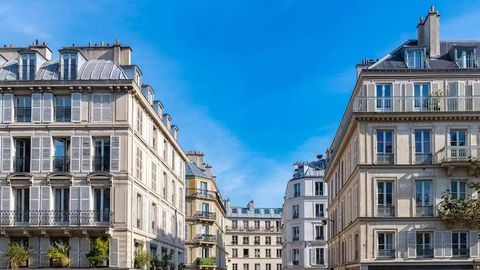
Paris is divided into 20 administrative arrondissements, each with its own character and concentration of attractions. Areas around the Louvre, Marais, Saint-Germain-des-Prés, Champs-Élysées, Montmartre, Latin Quarter, and Eiffel Tower provide different experiences for visitors.
Luxury hotels are an important part of Paris accommodation, particularly around central districts and areas associated with historic architecture, fashion, dining, and cultural attractions. These properties can range from historic buildings to contemporary hotels with modern interiors and facilities.
Accommodation selection is closely connected with an itinerary. A visitor focusing on museums may prefer convenient access to central cultural districts, while someone interested in shopping, nightlife, architecture, or quieter residential streets may choose a different neighborhood.
Types of Paris Accommodation
Paris provides several accommodation categories, including:
Luxury and palace-style hotels
Five-star and four-star hotels
Mid-range hotels
Boutique hotels
Aparthotels
Furnished tourist rentals
Bed-and-breakfast accommodation
Hostels
Other regulated tourist accommodation
Each category provides a different combination of location, room configuration, facilities, atmosphere, and daily routine. The accommodation category alone does not determine whether a particular property suits a traveler's itinerary.
Understanding Paris Neighborhoods
Neighborhood selection can influence how much time visitors spend traveling between accommodation and attractions. Central areas may provide convenient access to museums and historic landmarks, while outer districts can provide a different atmosphere and access to other parts of Greater Paris.
The Paris Metro and wider public transport network make it possible to travel between many districts. Walking is also an important way of exploring central Paris because many attractions, cafés, public squares, gardens, and architectural sites are relatively close together.
Importance
Paris city stays matter because accommodation affects the practical structure of a trip. The location of a hotel or other accommodation influences transportation time, access to attractions, dining options, evening activities, and the amount of walking involved.
Paris also receives visitors with very different travel purposes. Some focus on art and history, while others travel for fashion, food, architecture, business events, education, family activities, or short cultural breaks.
Major Attractions
Paris contains numerous internationally recognized attractions. Frequently visited sites include the Eiffel Tower, Louvre Museum, Notre-Dame Cathedral, Arc de Triomphe, Musée d'Orsay, Sacré-Cœur, Sainte-Chapelle, and the Luxembourg Gardens.
The city also contains many smaller museums, historic streets, galleries, churches, gardens, markets, and cultural venues. A trip does not necessarily need to focus only on major landmarks.
Luxury Hotel Areas
Luxury hotels are concentrated in several central areas, although accommodation in this category exists throughout the wider city. Areas around the 1st, 8th, 9th, 16th, and 7th arrondissements contain a number of established luxury properties and prominent landmarks.
The 1st arrondissement provides access to the Louvre, Tuileries Garden, Palais Royal, and central shopping areas. The 8th is associated with the Champs-Élysées, Avenue Montaigne, and several cultural and architectural sites.
The 7th includes the Eiffel Tower, Musée d'Orsay across the Seine, and Invalides. The 9th provides access to department stores, theaters, historic architecture, and transport connections.
Matching Accommodation With Travel Style
A useful approach is to connect the accommodation area with the main purpose of the trip. A museum-focused itinerary may benefit from central access, while a traveler interested in quieter streets may prefer a residential neighborhood.
Family travelers may consider room configuration, elevators, nearby transport, and access to parks. Business travelers may place greater importance on transportation connections, meeting facilities, and proximity to business districts.
Recent Updates
Paris tourism has continued to evolve following the 2024 Olympic and Paralympic Games. The Paris tourism office describes the post-Games period as a phase involving wider visitor distribution, digital tools, cycling infrastructure, cultural programming, and a stronger emphasis on sustainable tourism.
Tourism After the 2024 Games
The 2024 Games brought substantial visitor activity to Greater Paris. A preliminary tourism report estimated 11.2 million visitors in the metropolitan area during the Olympic Games period, including tourists, day visitors, and residents. The report also recorded longer average stays among tourists during the Games period.
The effects continued into subsequent tourism planning. The Paris tourism office's 2025 reporting describes continued international tourism activity, business tourism, and development of a more sustainable and innovative tourism model.
Accommodation Trends
Recent accommodation data show continued activity across hotels and other tourist accommodation. During summer 2025, the Greater Paris hotel occupancy rate reached 76.8%, according to the Paris tourism office's August 2025 barometer.
In summer 2026, the Paris tourism office reported approximately 6.4 million tourists in Greater Paris between July and late August, with Paris itself accounting for about 71.5% of those visitors. The reported hotel occupancy rate within Paris was 80.9%.
Digital Travel Planning
Digital tools have become increasingly integrated into Paris tourism planning. The tourism office has expanded digital visitor resources, including its Paris je t'aime application and wider visitor-information network.
Travelers can use digital maps, attraction reservation systems, public transportation applications, hotel platforms, and itinerary planners to organize a stay. These tools can also help visitors check opening arrangements and transportation conditions before traveling.
Laws or Policies
Paris accommodation is affected by French national rules, Paris municipal regulations, tourism requirements, taxation, short-term rental regulations, and cultural-site policies. The exact requirements depend on the type of accommodation and the circumstances of the stay.
Tourist Tax
Paris applies a tourist tax to eligible accommodation. The tax is generally charged per person per night, with rates varying according to accommodation category and classification. The City of Paris states that the tax applies to categories including hotels, tourist residences, furnished tourist rentals, bed-and-breakfast accommodation, hostels, and other forms of tourist accommodation.
The rates applicable in 2026 differ from earlier schedules, so travelers should check the current rate applicable to their accommodation and stay period. The accommodation provider or relevant platform generally collects the tax and transfers it to the City.
Tourist Rentals
Furnished tourist accommodation is subject to specific French and Parisian rules. Requirements can concern registration, permitted use, declarations, and restrictions designed to regulate the relationship between tourist accommodation and the residential housing market.
Rules can change, so the applicable requirements should be checked according to the accommodation type and current regulations.
Cultural and Public-Space Rules
Major attractions can have their own rules concerning entry, security checks, photography, luggage, clothing, and restricted areas. Public spaces and monuments may also have temporary access arrangements during events or maintenance.
Visitors should follow posted instructions and respect restrictions at historic, religious, and cultural locations.
Tools and Resources
Planning a Paris city stay can involve several digital and practical resources. Maps can help identify the relationship between accommodation and attractions, while public transport applications can help organize journeys across the city.
Museum and attraction calendars can provide information about opening hours, reservation requirements, exhibitions, and temporary closures. Hotel comparison platforms can also help visitors examine room types, locations, facilities, and accommodation policies.
Useful planning resources include:
Paris neighborhood maps
Public transportation planners
Museum calendars
Attraction reservation platforms
Hotel comparison tools
Walking itinerary planners
Currency calculators
Travel itinerary templates
Weather applications
Packing checklists
Restaurant reservation platforms
Accessibility information
A simplified comparison of accommodation areas can help explain their different characteristics:
| Area | Common Attractions | Accommodation Character | Transport Consideration |
|---|---|---|---|
| 1st Arrondissement | Louvre, Tuileries | Central hotels and luxury properties | Multiple Metro connections |
| 7th Arrondissement | Eiffel Tower, Invalides | Hotels and residential streets | Metro and walking |
| 8th Arrondissement | Champs-Élysées, Grand Palais area | Luxury and business-oriented hotels | Strong transport links |
| 9th Arrondissement | Opera, department stores | Hotels and boutique properties | Metro and rail connections |
| 18th Arrondissement | Montmartre, Sacré-Cœur | Smaller hotels and guest accommodation | Metro and walking |
| 6th Arrondissement | Saint-Germain-des-Prés, Luxembourg Gardens | Hotels and smaller properties | Metro and walking |
| 4th Arrondissement | Marais, Notre-Dame area | Hotels and apartments | Metro and walking |
Planning Attraction Locations
Visitors can group attractions geographically rather than crossing the city repeatedly. For example, the Louvre, Tuileries Garden, Palais Royal, and nearby Seine areas can form one sightseeing group.
Another itinerary could combine the Eiffel Tower, Champ de Mars, Invalides, and nearby museums. Grouping locations can make a daily schedule easier to manage and can leave more time for meals, rest, and spontaneous exploration.
FAQs
What are the main types of Paris city stays?
Paris city stays include luxury hotels, palace-style properties, standard hotels, boutique hotels, aparthotels, furnished tourist rentals, hostels, and other accommodation categories. Each has different room formats, facilities, locations, and policies.
Which areas are associated with luxury hotels in Paris?
Luxury hotels are found in several central areas, including parts of the 1st, 7th, 8th, 9th, and 16th arrondissements. These districts provide different combinations of attractions, shopping areas, historic architecture, restaurants, and transportation connections.
What attractions should visitors consider during Paris city stays?
Frequently visited attractions include the Eiffel Tower, Louvre Museum, Notre-Dame, Arc de Triomphe, Musée d'Orsay, Sacré-Cœur, Sainte-Chapelle, and Luxembourg Gardens. Paris also has many smaller museums, galleries, gardens, and historic areas.
Is there a tourist tax for Paris accommodation?
Yes. Paris applies a tourist tax to eligible accommodation, charged according to applicable rules and generally calculated per person per night. The rate varies according to the accommodation category and current tariff.
How should travelers choose accommodation in Paris?
Accommodation can be considered according to location, room configuration, transportation access, planned attractions, neighborhood atmosphere, accessibility requirements, and accommodation policies. Matching the location with the main itinerary can reduce unnecessary travel between activities.
Conclusion
Paris city stays combine accommodation with access to museums, landmarks, neighborhoods, cultural venues, restaurants, gardens, and public transportation. Luxury hotels form one part of a broad accommodation landscape that also includes boutique hotels, aparthotels, furnished rentals, hostels, and other lodging formats. Tourism patterns have continued to develop following the 2024 Games, with digital planning and wider visitor distribution becoming more prominent. Accommodation rules and tourist-tax requirements should be understood alongside the specific policies of the chosen property.