Cultural Heritage Travel Knowledge for Exploring Ancient Architecture and Cultural Sites
Cultural heritage travel focuses on visiting places that preserve evidence of human history, architecture, traditions, artistic practices, religious beliefs, and community development.
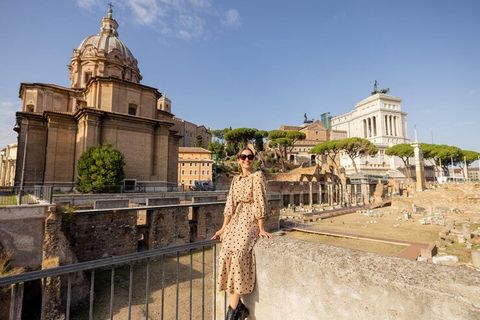
Ancient temples, historic cities, archaeological areas, fortifications, palaces, monuments, museums, traditional villages, and sacred landscapes can all form part of a cultural heritage journey. These places provide travelers with opportunities to understand how societies developed across different periods.
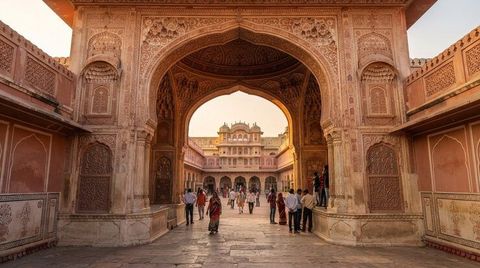
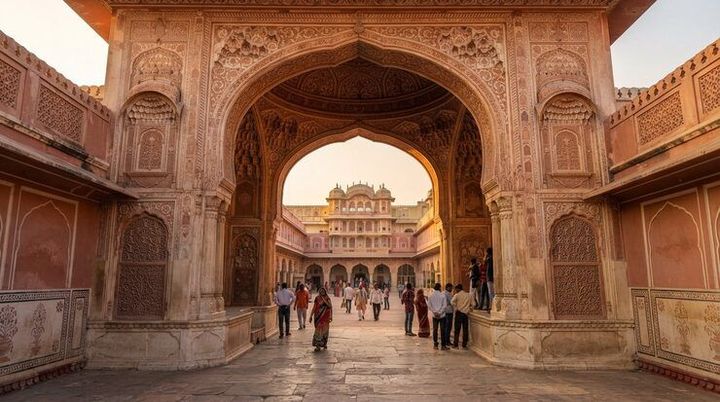
Ancient architecture is an important part of this form of travel because buildings often reveal information about engineering methods, available materials, social structures, artistic traditions, and environmental conditions. Stone temples, medieval castles, historic marketplaces, underground structures, ceremonial buildings, and traditional homes can show how communities adapted architecture to their surroundings.
Cultural sites can also preserve intangible heritage. Music, dance, traditional food preparation, festivals, languages, crafts, storytelling, and religious practices may exist alongside physical monuments. A cultural heritage trip therefore involves more than viewing old buildings; it can provide context about the communities and traditions connected with them.
Types of Cultural Heritage Sites
Cultural heritage locations vary considerably in age, purpose, architecture, and cultural meaning. Common categories include:
Archaeological sites containing remains of earlier settlements
Ancient temples and religious structures
Historic cities and urban districts
Fortresses, castles, and defensive walls
Palaces and historic residences
Museums and archaeological collections
Traditional villages and cultural landscapes
Historic bridges, roads, and transportation structures
Memorials and commemorative locations
Craft and cultural production areas
Some sites contain structures from several historical periods. Layers of construction, restoration, and adaptation can provide information about how a place changed over centuries.
Ancient Architecture and Historical Context
Ancient architecture should be viewed within its historical context. Building techniques were influenced by local materials, climate, available technology, religious beliefs, political structures, and the intended function of a building.
For example, stone construction may reflect the availability of suitable geological materials, while timber architecture can reflect forest resources and local construction traditions. Decorative features can also communicate religious, political, or social ideas.
Understanding these factors can make visits more informative because architectural details become connected to broader historical developments.
Importance
Cultural heritage travel matters because historic places connect present-day visitors with physical evidence of earlier societies. A building, archaeological site, or cultural landscape can provide information that is difficult to understand through written descriptions alone.
Heritage tourism also involves local communities. Historic districts may contain homes, workshops, restaurants, museums, religious buildings, and public spaces that remain part of everyday community life. Visitors therefore interact with places that may have cultural significance beyond their role as travel destinations.
Who Participates in Cultural Heritage Travel?
Cultural heritage travel can appeal to travelers with different interests and levels of historical knowledge. Participants may include families, students, photographers, architecture enthusiasts, researchers, educators, and travelers interested in local traditions.
People may explore heritage sites to learn about:
Ancient civilizations
Architecture and engineering
Religious traditions
Art and sculpture
Archaeology
Traditional crafts
Local food culture
Historical trade routes
Indigenous and community traditions
Urban development
The experience can vary depending on whether a traveler visits independently, joins a guided tour, attends a museum program, or participates in a cultural event.
Why Ancient Architecture Matters
Ancient buildings can demonstrate how earlier societies solved practical problems. Large structures required planning, material transportation, skilled craftsmanship, labor organization, and knowledge of structural principles.
Architectural details can also reveal relationships between buildings and their surrounding landscapes. Orientation, courtyards, water systems, roads, defensive structures, and agricultural areas may all contribute to understanding how a historical settlement functioned.
Responsible Heritage Travel
Heritage sites can be vulnerable to physical damage, overcrowding, environmental conditions, and inappropriate visitor behavior. Responsible travel involves respecting site rules and recognizing that some locations have religious, ceremonial, or community significance.
Visitors may need to follow instructions concerning photography, clothing, restricted areas, touching surfaces, food, noise, and movement through archaeological zones. These rules can vary substantially between locations.
Recent Updates
From 2024 through 2026, cultural heritage travel has continued to develop around digital interpretation, conservation technology, sustainable tourism, visitor management, and community participation. Many heritage organizations are using technology to help visitors understand historical places while limiting unnecessary physical contact with fragile structures.
Digital Heritage Interpretation
Digital tools are increasingly used to provide historical information through mobile applications, interactive displays, audio guides, digital maps, and virtual reconstructions. Three-dimensional models can illustrate how damaged or partially preserved structures may have appeared during earlier periods.
Augmented reality can also place digital information over physical surroundings. When appropriately designed, these tools can help visitors understand architectural features that may otherwise be difficult to interpret.
Conservation and Documentation
Heritage conservation increasingly uses digital photography, three-dimensional scanning, geographic mapping, and other documentation techniques. These methods can create detailed records of buildings, sculptures, archaeological remains, and cultural landscapes.
Digital records can assist researchers and conservation teams in monitoring physical changes. They can also preserve information about structures that may be affected by weather, natural events, pollution, or other environmental factors.
Visitor Management
Popular cultural sites continue to examine ways to manage visitor movement and protect fragile areas. Measures can include timed entry, designated walking routes, restricted zones, visitor limits, monitoring systems, and improved interpretation.
Visitor management can also reduce pressure on historic neighborhoods. Some destinations are encouraging travelers to explore multiple heritage areas rather than concentrating activity in a small number of famous locations.
Community Participation
Heritage planning increasingly recognizes the role of local communities. Residents may contribute knowledge about traditions, historic practices, crafts, food, architecture, and oral histories.
Community participation can also help distinguish between places that are appropriate for public access and locations that have specific cultural or religious restrictions. Heritage preservation is therefore connected to both physical conservation and living cultural practices.
Laws or Policies
Cultural heritage travel is shaped by national heritage laws, archaeological regulations, museum policies, environmental rules, religious-site requirements, and local visitor regulations. Because laws differ between countries, travelers need to follow the rules established by the authorities responsible for each location.
Protection of Archaeological Sites
Many countries protect archaeological remains through laws governing excavation, removal of artifacts, construction, and site access. Visitors may be prohibited from collecting stones, pottery fragments, fossils, inscriptions, or other material from archaeological areas.
Unauthorized excavation or removal of cultural objects can have serious legal consequences. Even apparently insignificant objects may be part of an archaeological record and therefore protected.
Rules at Religious and Cultural Sites
Temples, mosques, churches, monasteries, shrines, and other sacred locations may have specific visitor requirements. These can include appropriate clothing, photography restrictions, designated entry areas, quiet behavior, or limitations on access during ceremonies.
Traditional cultural spaces may have similar requirements. Following posted instructions and local guidance helps visitors interact respectfully with places that remain important to communities.
Heritage Conservation Policies
Governments and heritage organizations may regulate restoration, construction, signage, tourism infrastructure, and changes to historic buildings. International heritage frameworks can also influence conservation planning.
World Heritage sites, for example, are subject to management frameworks intended to protect cultural or natural values. Individual countries remain responsible for implementing applicable protection measures within their territories.
Tools and Resources
Planning a cultural heritage journey can involve several practical resources. Digital maps help travelers identify historic districts, museums, archaeological areas, monuments, transportation routes, and nearby facilities.
Historical databases, museum catalogs, digital archives, and architectural references can provide background information before a visit. Audio guides and museum applications can also explain individual buildings or artifacts while visitors are at a site.
Useful resources include:
Digital heritage maps
Museum collection databases
Archaeological site guides
Historical timelines
Architecture reference books
Cultural etiquette guides
Museum audio-guide applications
Digital archives
Walking-route planners
Public transportation maps
Heritage site calendars
Language translation tools
A simple classification table can help travelers understand different heritage experiences:
| Heritage Category | Main Focus | Examples of Features |
|---|---|---|
| Archaeological Site | Earlier settlements and remains | Foundations, artifacts, ruins |
| Historic City | Urban development | Streets, buildings, marketplaces |
| Religious Heritage | Spiritual and architectural traditions | Temples, shrines, monasteries |
| Defensive Heritage | Military history | Forts, walls, towers |
| Royal Heritage | Political and residential history | Palaces, gardens, ceremonial spaces |
| Industrial Heritage | Production and technology | Factories, mills, transport systems |
| Cultural Landscape | Relationship between people and environment | Farms, terraces, villages |
| Living Heritage | Continuing traditions | Crafts, festivals, music, food |
Planning a Heritage Visit
A heritage itinerary can combine different types of sites rather than concentrating exclusively on monuments. A historic city might include an archaeological museum, traditional neighborhood, religious building, public square, craft area, and nearby landscape.
Travelers should also consider opening schedules, access requirements, seasonal conditions, walking distances, photography rules, and local cultural practices. Some archaeological sites require additional time because their areas are large or have uneven terrain.
FAQs
What is cultural heritage travel?
Cultural heritage travel involves visiting places, buildings, landscapes, museums, and cultural environments connected with historical and living traditions. It can include ancient architecture, archaeology, art, religious heritage, traditional crafts, and historic cities.
Why is ancient architecture important for cultural heritage travel?
Ancient architecture provides physical evidence of earlier societies. Buildings can reveal construction techniques, available materials, artistic traditions, social organization, religious practices, and relationships between communities and their environments.
What cultural sites can travelers explore?
Travelers can explore archaeological sites, temples, historic cities, castles, fortifications, palaces, museums, traditional villages, industrial heritage locations, cultural landscapes, and other protected historical places.
What rules apply when visiting cultural heritage sites?
Rules vary by location but can include restrictions on photography, touching structures, collecting artifacts, entering protected areas, appropriate clothing, and visitor movement. Religious and archaeological sites may have additional requirements.
How can technology support cultural heritage travel?
Digital maps, virtual reconstructions, three-dimensional models, audio guides, museum applications, and augmented-reality tools can provide historical context and help visitors understand architectural features and cultural information.
Conclusion
Cultural heritage travel connects visitors with ancient architecture, archaeological remains, historic communities, cultural traditions, and landscapes shaped by earlier generations. Digital documentation, virtual interpretation, conservation technology, visitor management, and community participation are increasingly influencing how heritage destinations are understood and protected. Responsible travel requires attention to site rules, cultural practices, archaeological protections, and conservation requirements. The experience can combine historical learning with direct observation of architecture, artifacts, traditions, and living cultural environments.