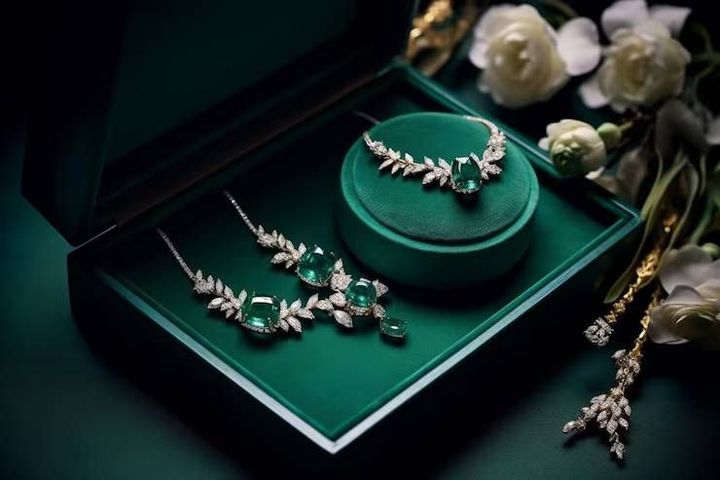
Green Jewellery Packaging Basics With Reusable Materials, Designs, and Sustainability Tips
Green jewellery packaging focuses on packaging approaches that reduce unnecessary material use while supporting reuse, recycling, and responsible material selection.
Instead of relying mainly on conventional single-use boxes, green jewellery packaging can use recycled paper, FSC-certified paperboard, reusable fabric pouches, reclaimed wood, cork, bamboo, and other materials selected for their environmental characteristics. The concept has developed alongside broader interest in sustainable product design, circular packaging, and reduced packaging waste.
Jewellery packaging has several practical purposes. It protects delicate items from scratches, moisture, dust, and movement while also providing a suitable presentation during storage, transport, or gifting. Green jewellery packaging adds another consideration by examining what happens to the packaging after its first use. Reusable jewellery boxes, recyclable paper packaging, minimal designs, and refillable presentation systems can help extend material usefulness.
Context
What Green Jewellery Packaging Means
Green jewellery packaging refers to packaging designed with environmental considerations throughout its material selection, production, use, and disposal. The approach does not mean that every package must use one particular material. Instead, it considers factors such as durability, recyclability, reusability, material quantity, sourcing, and end-of-life handling.
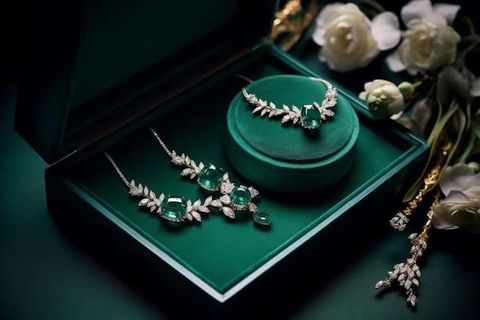
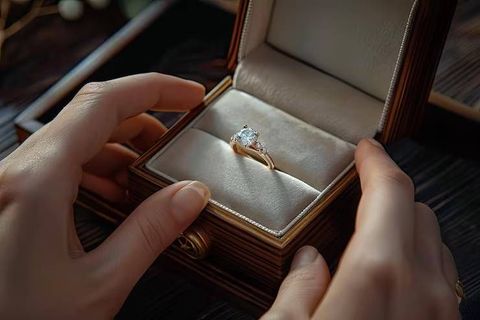
A packaging design may include a recycled paperboard box with a removable insert, a fabric jewellery pouch, a reusable wooden container, or a paper sleeve around a compact presentation box. The appropriate design depends on the jewellery type, required protection, storage conditions, and intended number of uses.
Why Reusable Materials Are Important
Reusable materials can remain useful beyond one packaging cycle. A sturdy jewellery box may become a storage container for earrings, rings, watches, beads, or other small objects. Fabric pouches can also be reused for travel or household organization.
The environmental value of reuse depends on actual continued use. A highly durable package that is used many times may provide a different environmental profile from a package that is discarded immediately after one use.
Common Materials Used
Green jewellery packaging can incorporate several material categories:
Recycled paperboard for boxes, sleeves, cards, and inserts.
Kraft paper for wrapping, protective layers, and lightweight packaging.
Recycled cotton or other textile materials for reusable pouches.
Cork for trays, inserts, and protective surfaces.
Bamboo for rigid containers and presentation elements.
Wood from responsibly managed sources for durable jewellery boxes.
Recycled plastics for selected protective components where appropriate.
Plant-based materials for certain inserts and cushioning applications.
Material selection should consider both environmental characteristics and the protection requirements of the jewellery.
Importance
Reducing Packaging Waste
Jewellery packaging can involve several layers, including an outer box, inner box, insert, wrapping paper, protective material, labels, and decorative components. When each layer performs a necessary function, packaging can remain practical, but unnecessary layers may increase material consumption.
Minimal packaging design focuses on using only the components needed for protection, identification, presentation, and storage. Removing unnecessary components can make the package simpler and may also reduce the amount of material that needs to be processed later.
Supporting Reuse
Reusable jewellery packaging gives the container a purpose beyond its initial presentation. A rigid box with removable internal sections can become an organizer, while a textile pouch can serve as a storage bag.
Designers can encourage continued use by creating packaging with useful dimensions, durable closures, washable fabrics, and removable inserts. A package that has a practical second purpose can remain in circulation rather than immediately entering the waste stream.
Protecting Jewellery
Sustainability does not replace the primary protective function of packaging. Rings, necklaces, bracelets, earrings, and other jewellery pieces can become scratched or tangled if they are not properly secured.
A sustainability-focused design therefore needs an appropriate balance between material reduction and protection. For example, a thin paper sleeve may work as an outer layer, while a structured insert provides separation between delicate pieces.
Environmental Considerations for Different Users
Green jewellery packaging affects several groups, including jewellery makers, packaging designers, retailers, logistics teams, gift recipients, and households. Each group interacts with packaging at a different stage.
For everyday users, clear recycling information and reusable designs can make disposal and continued use easier. For businesses and designers, material selection, packaging dimensions, storage requirements, and transportation efficiency are additional considerations.
Recent Updates
Shift Toward Circular Packaging
From 2024 through 2026, packaging discussions have increasingly emphasized circularity. Circular packaging considers how materials can remain useful through reuse, recycling, repair, or recovery instead of being designed solely for disposal.
For jewellery packaging, this has encouraged greater attention to reusable boxes, recyclable paperboard, mono-material structures, and packaging components that can be separated more easily.
Minimalist Packaging Designs
Minimalist jewellery packaging has also become more common as designers examine unnecessary components. Compact boxes, simple sleeves, paper wraps, and fabric pouches can reduce the number of separate materials in a package.
Minimalism does not necessarily mean removing protection. The objective is to make the package perform its required functions with a straightforward structure.
Improved Material Identification
Clearer material identification is another important development. Packaging may contain paper, textile, metal, plastic, adhesive, coatings, and other components. When these materials are difficult to separate, recycling can become more complicated.
Designs that use compatible materials or make components easy to separate can simplify sorting and handling.
Comparison of Packaging Materials
| Material | Reusable Potential | Recycling Consideration | Typical Packaging Use |
|---|---|---|---|
| Recycled paperboard | Moderate | Generally suitable where accepted locally | Boxes and sleeves |
| Kraft paper | Moderate | Commonly recyclable when clean | Wrapping and outer layers |
| Cotton textile | High | Depends on local textile systems | Jewellery pouches |
| Cork | Moderate to high | Depends on local facilities | Inserts and trays |
| Bamboo | High | Depends on construction and finish | Rigid boxes |
| Wood | High | Depends on treatment and local systems | Jewellery boxes |
| Recycled plastic | Moderate to high | Depends on resin type and local systems | Inserts and protective parts |
Material performance can vary according to coatings, adhesives, finishes, mixed-material construction, and local waste infrastructure.
Laws or Policies
Packaging Rules and Environmental Requirements
Green jewellery packaging is influenced by packaging waste rules, recycling requirements, producer responsibilities, labeling systems, and environmental standards. These requirements vary between countries and can change as governments introduce measures aimed at reducing packaging waste.
In many jurisdictions, packaging regulations focus on areas such as material composition, recyclability, waste collection, labeling, packaging volume, and responsibilities for organizations placing packaged products into a market.
Extended Producer Responsibility
Extended Producer Responsibility, commonly known as EPR, is used in several markets as a policy approach for managing product and packaging waste. Under an EPR system, organizations may have responsibilities related to packaging collection, reporting, recycling, recovery, or financing of waste-management activities.
The specific obligations differ according to jurisdiction and packaging category. Businesses should therefore check the current requirements applicable to their market rather than relying on a single international rule.
Environmental Claims and Labeling
Environmental claims on packaging should be accurate and supportable. Terms such as recyclable, recycled content, compostable, reusable, or biodegradable can have different meanings under different standards and regulations.
A package should not be described using an environmental claim that could mislead users about its material composition or disposal pathway. Clear labeling can help people understand how to reuse, separate, or dispose of the packaging.
Tools and Resources
Packaging Material Guides
Material comparison guides can help designers examine properties such as durability, recyclability, recycled content, weight, moisture resistance, and compatibility with jewellery.
A simple material assessment can include:
Primary material
Secondary material
Recycled content
Reuse potential
Recycling pathway
Expected lifespan
Protective function
Packaging Calculators
Packaging calculators can be used to compare material quantities, package dimensions, and estimated packaging weight. These tools can help identify opportunities to reduce unnecessary material without compromising protection.
Design Templates
Packaging templates can assist with box dimensions, folding structures, inserts, sleeves, labels, and pouch patterns. Digital design software can also help create prototypes before physical samples are produced.
Sustainability Checklists
A sustainability checklist provides a structured way to review a jewellery package. Useful questions include whether the package can be reused, whether components can be separated, whether unnecessary layers can be removed, and whether disposal information is understandable.
A practical checklist can include:
Is the packaging appropriately sized?
Can the main container be reused?
Are materials clearly identifiable?
Can mixed components be separated?
Does the design protect the jewellery adequately?
Is unnecessary decorative material avoided?
Are environmental claims supported by reliable information?
FAQs
What is green jewellery packaging?
Green jewellery packaging is packaging designed with environmental considerations such as material efficiency, reuse, recycling, durability, and responsible disposal. It can include recycled paperboard boxes, reusable fabric pouches, cork inserts, bamboo containers, and other suitable materials.
Which materials are commonly used for reusable jewellery packaging?
Reusable jewellery packaging can use textiles, wood, bamboo, cork, durable paperboard, and selected recycled materials. The appropriate material depends on the jewellery type, required protection, expected use, and local recycling infrastructure.
Is recycled paperboard suitable for green jewellery packaging?
Recycled paperboard can be suitable for jewellery boxes, sleeves, cards, and inserts when it provides adequate structural protection. Its recycling suitability can be affected by coatings, adhesives, finishes, and contamination.
How can jewellery packaging become more sustainable?
Packaging can become more sustainable through material reduction, reusable structures, recyclable components, appropriate sizing, durable construction, and clear disposal information. The entire packaging system should be considered rather than focusing on one material alone.
What should be considered when designing reusable jewellery packaging?
Important factors include durability, jewellery protection, storage convenience, material separation, cleaning, dimensions, reuse potential, and end-of-life handling. A reusable package generally needs to remain practical after its initial purpose has been completed.
Conclusion
Green jewellery packaging combines jewellery protection with consideration of material use, reuse, recycling, and disposal. Recycled paperboard, textiles, cork, bamboo, and wood can all play roles depending on the packaging design and local waste systems. Recent packaging trends have placed greater attention on circular design, material reduction, reusable structures, and clearer material identification. Effective green jewellery packaging therefore depends on balancing practical protection with thoughtful material and design choices.