Dust Extraction Systems Guide With Industrial Air Filtration and Workplace Safety Insights
Dust extraction systems are engineered arrangements that capture, transport, separate, and collect airborne particles generated during industrial activities.
They are commonly used in woodworking, metalworking, construction-material processing, food production, pharmaceuticals, textiles, plastics, and other environments where cutting, grinding, mixing, sanding, drilling, conveying, or handling materials can produce dust.
Industrial dust can vary considerably in size, composition, concentration, and behavior. Some particles settle quickly on surfaces, while finer particles can remain suspended in the air for longer periods. The purpose of a dust extraction system is to control these airborne particles by capturing them close to the point where they are generated and directing them through an air-handling and filtration process.
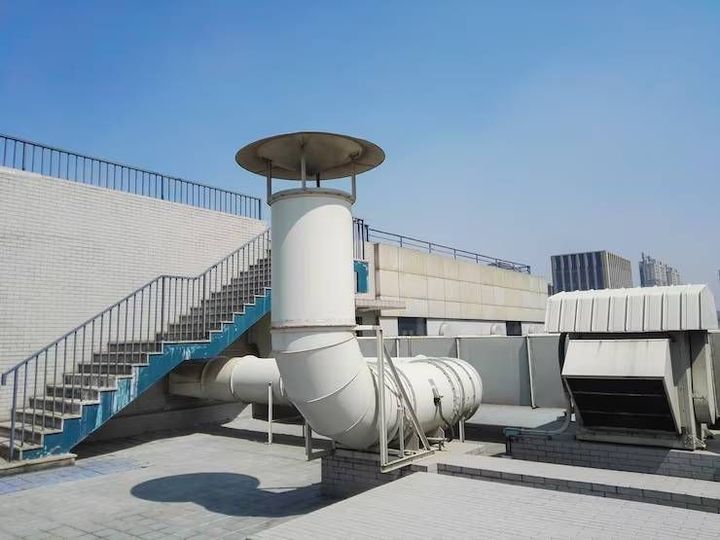
A typical system includes extraction hoods, ductwork, fans, filters, collection units, dampers, monitoring equipment, and discharge or disposal arrangements. Depending on the application, filtration can involve cartridge filters, bag filters, cyclones, wet collectors, or combinations of different technologies.
Industrial air filtration is closely connected with dust extraction. While extraction focuses on capturing and transporting contaminated air, filtration separates particles from the moving air stream. The cleaned air can then be discharged according to the facility's design and applicable requirements.
How Dust Extraction Systems Work
The process generally begins at the source of dust generation. A hood or capture enclosure is positioned around or near the activity so that airborne particles can enter the extraction airflow.
A fan creates the pressure difference needed to move contaminated air through ductwork. The air then reaches a separation or filtration stage, where particles are removed from the airflow.
Collected dust is directed into a suitable container, hopper, drum, bag, or other collection arrangement. The filtered air follows the system's designated discharge path, which may depend on the process, filtration efficiency, building design, and regulatory requirements.
Main System Components
A dust extraction system may contain several interconnected components:
Capture hoods for collecting airborne particles
Ductwork for transporting contaminated air
Fans or blowers for generating airflow
Filters for separating dust from air
Cyclones for separating larger particles
Dust collectors for storing captured material
Dampers for regulating airflow
Sensors for monitoring pressure and operating conditions
Control panels for managing system operation
Discharge arrangements for filtered air
Collection containers for captured dust
The selection and arrangement of these components depend on particle characteristics, airflow requirements, equipment layout, operating hours, and the nature of the industrial process.
Importance
Dust extraction systems matter because uncontrolled airborne particles can affect workplace conditions, equipment cleanliness, production areas, and worker exposure. Dust can settle on machinery, electrical components, floors, storage areas, and other surfaces, creating additional housekeeping and maintenance requirements.
The importance of extraction depends heavily on the type of material being processed. Wood dust, metal particles, mineral dust, plastic particles, food powders, and combustible materials have different physical and safety characteristics.
Workplace Air Quality
Industrial air filtration helps manage airborne particulate matter within production environments. A properly designed extraction system captures dust near its source rather than relying entirely on general room ventilation.
Source capture can be particularly important where dust is generated continuously or at concentrated points. The extraction hood, airflow pattern, duct arrangement, and filtration equipment need to work together for the system to function as intended.
General ventilation and local extraction are not identical. General ventilation changes the air within a broader room, while local extraction is designed to capture contaminants at or near their point of generation.
Equipment and Facility Protection
Dust accumulation can affect machinery and surrounding infrastructure. Particles may enter moving components, settle on sensors, accumulate around electrical equipment, or create additional cleaning requirements.
An effective extraction arrangement can reduce the amount of airborne and settled dust within areas where extraction is appropriate. However, extraction equipment itself requires inspection and maintenance because blocked filters, damaged ductwork, or poor airflow can affect system performance.
Combustible Dust Considerations
Some dust materials can present fire or explosion hazards when suspended in air at appropriate concentrations and exposed to an ignition source. Examples can include certain wood, food, agricultural, plastic, and metal dusts.
For these environments, dust extraction design may need additional measures such as appropriate equipment selection, grounding, bonding, explosion protection, isolation arrangements, housekeeping procedures, and hazard assessment.
Recent Updates
From 2024 through 2026, industrial dust control has continued to develop around improved filtration, energy management, digital monitoring, compact equipment designs, and automated maintenance information. The broader direction is toward integrating air-handling equipment with industrial monitoring systems.
Advanced Filtration
Modern industrial air filtration systems increasingly use high-surface-area filter media and cartridge designs that provide substantial filtration area within relatively compact equipment.
Filter selection depends on particle size, dust loading, temperature, moisture, chemical characteristics, airflow, and required filtration performance. A filter intended for one industrial application may not be appropriate for another.
Automatic filter-cleaning mechanisms are also used in many systems. Pulse-jet cleaning, mechanical shaking, reverse-air cleaning, and other techniques can remove accumulated dust from filter surfaces and help maintain airflow.
Digital Monitoring
Sensors can monitor pressure differences across filters, fan conditions, airflow, temperature, and other operating parameters. A rise in pressure across a filter can indicate increasing dust loading or a change in airflow conditions.
Digital control systems can display alarms and operating information through local interfaces or connected industrial platforms. Data can also be recorded for maintenance analysis and equipment performance reviews.
Energy Management
Fans can represent a significant electrical load in large extraction installations. Modern systems may incorporate variable-frequency drives that adjust fan speed according to system requirements.
Demand-controlled extraction can also be used in selected facilities. Instead of operating every extraction point at a constant level, automated controls can adjust airflow based on machine status or defined operating conditions.
Energy management needs to be balanced with adequate capture airflow. Reducing fan operation without considering the required extraction conditions can affect dust control.
Compact and Modular Systems
Smaller manufacturing facilities may use compact filtration units designed for specific machines or work areas. Larger facilities can use centralized extraction networks serving multiple production points.
Modular designs can make it easier to configure systems around changing equipment layouts. However, additional extraction points can alter airflow requirements, duct pressure, fan selection, and filtration capacity.
Laws or Policies
Dust extraction systems are influenced by workplace safety, environmental protection, machinery safety, electrical requirements, fire protection, and industrial hygiene rules. Specific requirements differ according to jurisdiction, industry, material, and facility conditions.
Workplace Exposure Requirements
Occupational safety frameworks in many jurisdictions establish limits or control requirements for airborne workplace contaminants. These requirements can vary according to the substance and particle characteristics.
Facilities may use exposure assessments, air monitoring, local extraction, personal protective equipment, work procedures, and other controls as part of a broader occupational safety program.
Dust extraction should therefore be considered one component of workplace exposure management rather than the sole control measure.
Machinery and Electrical Safety
Extraction equipment contains fans, motors, electrical panels, rotating components, filters, collection vessels, and automated controls. Safety provisions can address guarding, electrical protection, emergency controls, grounding, inspection, and maintenance access.
Systems handling combustible dust may require additional engineering controls. These can include explosion venting, suppression, isolation, spark detection, or other measures depending on the hazard assessment and applicable requirements.
Environmental Requirements
Facilities may also have requirements governing air emissions, industrial waste, and dust collection residues. The treatment of collected dust depends on its composition.
Waste material containing regulated substances may require specialized handling. Facilities therefore need to identify the characteristics of collected material before determining storage, transfer, treatment, or disposal arrangements.
Tools and Resources
Planning a dust extraction system requires information about dust generation points, airflow, duct dimensions, filter characteristics, fan performance, and collection requirements. Engineering calculation tools can help estimate airflow, pressure losses, duct velocity, and fan requirements.
Facility-layout software can show machine positions, extraction points, duct routes, filter locations, access areas, and maintenance clearances. Airflow measurement instruments can then be used to verify actual conditions during system operation.
Useful resources include:
Airflow calculation worksheets
Duct sizing calculators
Fan performance curves
Filter specification sheets
Pressure-drop calculations
Air-quality monitoring instruments
Dust hazard assessment templates
Preventive maintenance schedules
Filter inspection checklists
Facility layout software
Industrial control dashboards
Equipment condition-monitoring platforms
A simplified comparison of common dust collection approaches is shown below:
| System Type | Primary Function | Common Planning Factor |
|---|---|---|
| Cartridge Collector | Fine particle filtration | Filter loading |
| Baghouse Collector | High-volume dust filtration | Air-to-cloth ratio |
| Cyclone | Larger particle separation | Particle size |
| Wet Collector | Particle capture using liquid | Dust characteristics |
| Central Extraction | Multiple source points | Duct network |
| Local Collector | One machine or area | Capture location |
Maintenance and Monitoring
Routine inspection is an important part of dust extraction system management. Filters, ducts, fans, seals, collection containers, dampers, and sensors can require periodic inspection according to the equipment design and operating environment.
Pressure readings can provide useful information about filter loading. Airflow measurements can also help determine whether extraction points are receiving the intended airflow.
Maintenance records can document inspections, filter changes, alarms, repairs, and airflow checks. These records can help facility teams understand changes in system condition over time.
FAQs
What are dust extraction systems?
Dust extraction systems are engineered arrangements that capture airborne particles at their source, transport them through ductwork, separate the particles from the air, and collect the resulting dust.
How does industrial air filtration work?
Industrial air filtration moves contaminated air through a filter or separation system that captures particles. The filtration technology depends on particle characteristics, airflow requirements, temperature, moisture, and the intended application.
Why is dust extraction important for workplace safety?
Dust extraction can reduce airborne particle concentrations near sources of dust generation. It forms part of a broader workplace safety approach that may also include process controls, housekeeping, exposure monitoring, protective equipment, and appropriate work procedures.
What types of dust collectors are used in industry?
Common systems include cartridge collectors, baghouse collectors, cyclones, wet collectors, local extraction units, and centralized extraction systems. The appropriate arrangement depends on the material and process.
How are dust extraction systems maintained?
Maintenance can include checking filters, ducts, fans, seals, dampers, collection containers, sensors, and airflow conditions. Pressure and airflow measurements can help identify changes in system performance, while inspection schedules depend on equipment and operating conditions.
Conclusion
Dust extraction systems combine source capture, ductwork, fans, filtration, dust collection, controls, and monitoring equipment to manage airborne industrial particles. Industrial air filtration technology continues to develop through improved filter designs, digital sensors, energy controls, and automated monitoring. Workplace safety also requires attention to dust characteristics, exposure conditions, combustible-dust hazards, equipment protection, and applicable regulations. The appropriate system depends on the material, process, airflow requirements, facility layout, filtration needs, and operating environment.