Ocean Wave Energy Converters Information With Wave Power Generation and Energy Solutions
Ocean wave energy converters are technologies designed to capture energy from the movement of ocean waves and convert it into usable electrical power.
Waves contain mechanical energy created primarily by wind moving across the surface of the sea. Wave energy systems use different mechanical, hydraulic, or electrical arrangements to capture part of this movement and transfer it to a generator.
The idea of using ocean movement for energy generation has developed alongside broader research into renewable energy technologies. Unlike solar panels, which depend on sunlight, or wind turbines, which capture moving air, wave energy converters interact directly with moving water. Their design must therefore account for changing wave height, direction, period, currents, storms, corrosion, and marine conditions.
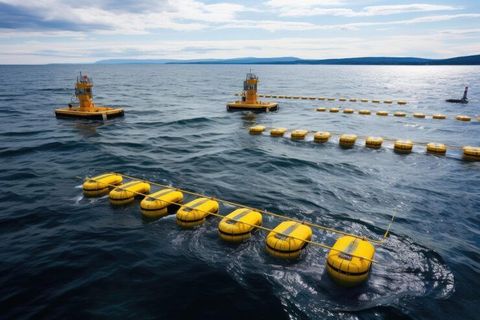
Wave power generation can take place through different device configurations. Some systems move up and down with waves, while others respond to changes in water pressure or the movement of water through a structure. The mechanical movement is then converted into electricity through a power take-off system and generator.
An ocean wave energy converter can be deployed near the shoreline, in relatively shallow water, or farther offshore. Each environment creates different engineering requirements. Nearshore systems may have easier access to infrastructure, while offshore systems can encounter stronger wave resources but more demanding marine conditions.
How Wave Energy Conversion Works
A basic wave energy system follows several stages. First, waves interact with a floating or fixed structure. The movement of the water causes part of the device to move, oscillate, bend, or experience changes in pressure.
This movement is transferred to a power take-off mechanism. Depending on the design, the mechanism can use hydraulic systems, mechanical transmission, linear generators, rotary generators, or other technologies.
The generator converts mechanical energy into electrical energy. Power electronics can then regulate the electricity before it is transmitted to a local electrical system, storage system, or larger grid connection.
Main Types of Wave Energy Converters
Several types of ocean wave energy converters have been developed:
Point absorbers use floating structures that respond to wave movement.
Oscillating water columns use changing air pressure created by moving water inside a chamber.
Oscillating wave surge devices move in response to the back-and-forth movement of waves.
Attenuators are elongated structures positioned roughly parallel to incoming waves.
Overtopping devices collect water above the natural sea level and release it through turbines.
Submerged pressure systems respond to pressure changes created by passing waves.
Each design has different requirements for anchoring, maintenance, electrical transmission, structural strength, and environmental assessment.
Importance
Ocean wave energy converters are part of research into diversified renewable energy systems. Ocean waves can continue moving during periods when solar generation is unavailable, while their behavior differs from that of wind resources. This makes wave energy an area of interest for energy planners examining combinations of renewable technologies.
Wave power generation can also be relevant to island communities, coastal infrastructure, research facilities, and locations where marine energy resources are suitable. However, the usefulness of a wave energy project depends on local wave conditions, water depth, grid access, environmental considerations, equipment design, and operational requirements.
Why Wave Energy Matters
The main importance of wave energy lies in its ability to use naturally occurring ocean movement as an energy resource. The ocean covers a large portion of the planet, and waves are continuously generated in many coastal regions.
Wave energy can also complement other renewable resources. A diversified electricity system may combine several generation technologies so that differences in weather and resource availability are managed across the overall system.
At the same time, wave energy remains technically challenging. Marine equipment is exposed to saltwater, biological growth, strong forces, changing weather, and repeated mechanical loads. These conditions influence equipment design and maintenance requirements.
Major Components
A wave energy project can involve much more than the converter itself. Typical components may include:
Wave energy conversion devices
Mooring or foundation systems
Power take-off mechanisms
Electrical generators
Power conditioning equipment
Subsea electrical cables
Surface or subsea monitoring equipment
Onshore electrical infrastructure
Control and data systems
Marine inspection equipment
The relationship between these components is important because electricity generated offshore must eventually reach an electrical network or another intended application.
Environmental Considerations
Wave energy projects interact with marine environments. Developers and researchers may examine effects on marine habitats, seabed conditions, navigation, fishing activity, underwater noise, and coastal processes.
The physical footprint of a project depends on its technology and location. Environmental assessment can therefore form an important part of project planning before installation.
Recent Updates
From 2024 through 2026, the wave energy field has continued to focus on demonstration projects, technology testing, improved control systems, reliability, survivability, and integration with other marine energy technologies. The broader trend has been a shift from laboratory-scale concepts toward longer-duration testing in real ocean conditions.
Improved Wave Power Generation Systems
Current development work emphasizes extracting energy from variable wave conditions while protecting equipment during severe marine events. A wave energy converter must operate across ordinary wave conditions but also withstand periods of high wave activity.
Control systems can adjust equipment behavior according to changing wave conditions. Sensors can monitor movement, pressure, electrical output, structural loads, and other parameters to help operators understand how a device performs.
Digital Monitoring and Control
Digital systems are increasingly important in marine energy research and deployment. Sensors can collect information about wave height, direction, device movement, electrical output, temperature, vibration, and equipment condition.
Data analysis can help researchers compare predicted and observed performance. Remote monitoring can also reduce the need for physical inspections when appropriate monitoring systems are available, although marine equipment still requires direct inspection and maintenance.
Materials and Durability
Marine equipment needs materials and protective systems that can withstand corrosion, repeated loading, moisture, and biological growth. Development therefore includes attention to structural materials, coatings, seals, bearings, electrical components, and connection systems.
Improved durability can influence how frequently equipment needs to be accessed for maintenance. However, actual performance depends on the specific technology, marine environment, and operating conditions.
Integration With Other Marine Energy
Wave energy is also being examined alongside offshore wind and other marine technologies. Shared infrastructure, monitoring systems, subsea cables, and marine operations can potentially be considered when projects are developed in compatible locations.
The technical requirements remain different for each energy technology. Combining systems requires careful planning around electrical capacity, anchoring, marine space, maintenance access, and environmental effects.
Laws or Policies
Ocean wave energy projects are shaped by energy regulations, maritime rules, environmental requirements, coastal planning procedures, electrical standards, and marine-use policies. The exact legal framework varies between countries and between coastal jurisdictions.
Environmental Assessment
Before a wave energy project is deployed, authorities may require environmental studies. These can examine marine habitats, seabed conditions, protected areas, navigation, fisheries, coastal processes, and potential effects on marine species.
The level of assessment depends on project size, location, technology, and local environmental rules. Demonstration projects may have different requirements from large commercial installations.
Marine and Coastal Permissions
Wave energy converters installed in coastal or offshore waters may require approvals relating to seabed use, navigation, marine construction, cables, mooring systems, and access routes.
Projects can also need coordination with other ocean users. Fishing areas, shipping routes, recreation zones, protected marine areas, and existing infrastructure may influence where equipment can be installed.
Electrical and Safety Requirements
Electricity generated by a wave energy converter must be managed through appropriate electrical equipment and connection systems. Requirements can cover generators, power electronics, subsea cables, transformers, grounding, monitoring, and grid connection.
Marine workers also face risks associated with vessels, lifting operations, electrical equipment, weather, and underwater activities. Safety planning is therefore an important part of installation and maintenance.
Tools and Resources
Wave energy development uses a combination of engineering software, oceanographic information, environmental assessment tools, and electrical modeling platforms. Wave-resource assessment tools can examine wave height, wave period, direction, and seasonal patterns.
Numerical modeling can simulate how a wave energy converter responds to different sea states. Hydrodynamic models can help researchers study forces, movement, energy capture, and interactions between the device and surrounding water.
Useful resources include:
Wave-resource databases
Oceanographic measurement systems
Hydrodynamic modeling software
Computational fluid dynamics platforms
Structural analysis software
Mooring analysis tools
Electrical-grid modeling software
Geographic information systems
Environmental assessment templates
Marine weather monitoring platforms
Energy-output calculators
Equipment maintenance databases
A simplified comparison of major wave energy converter types is shown below:
| Converter Type | Main Operating Principle | Typical Design Consideration |
|---|---|---|
| Point Absorber | Floating movement captures wave motion | Mooring and vertical movement |
| Oscillating Water Column | Water movement changes air pressure | Chamber and turbine design |
| Wave Surge Device | Back-and-forth motion drives conversion | Structural loading |
| Attenuator | Flexible sections respond to waves | Joint movement |
| Overtopping Device | Waves fill an elevated reservoir | Water collection and turbine flow |
| Submerged Pressure System | Water pressure changes drive movement | Depth and pressure conditions |
Ocean mapping tools can also help planners examine water depth, seabed conditions, shipping routes, protected areas, and nearby electrical infrastructure. These factors can influence the technical feasibility of a proposed project.
FAQs
What are ocean wave energy converters?
Ocean wave energy converters are devices that capture mechanical energy from moving waves and convert it into electrical power. They can use floating, submerged, or fixed structures depending on the technology.
How does wave power generation work?
Wave movement causes a mechanical or pressure-based response within the converter. A power take-off system transfers this movement to a generator, which produces electricity that can then be conditioned for a suitable electrical system.
What are the main types of wave energy converters?
Common types include point absorbers, oscillating water columns, oscillating wave surge devices, attenuators, overtopping systems, and submerged pressure-based devices. Each operates differently and has distinct marine engineering requirements.
Where are ocean wave energy converters installed?
They may be installed near shore, in shallow coastal waters, or farther offshore. Location selection depends on wave resources, water depth, seabed conditions, marine activities, environmental requirements, and electrical infrastructure.
What challenges affect wave power generation?
Important challenges include changing wave conditions, severe storms, corrosion, biological growth, structural loading, subsea cable protection, maintenance access, environmental considerations, and electrical-grid integration.
Conclusion
Ocean wave energy converters capture mechanical energy from moving seawater and transform it into electrical power through different mechanical, hydraulic, and electrical technologies. Wave power generation includes several converter types, each designed around particular wave conditions and deployment environments. Recent development has emphasized real-ocean testing, digital monitoring, equipment durability, control systems, and integration with other marine energy technologies. Environmental assessment, marine planning, electrical requirements, and safety considerations remain important parts of wave energy development.