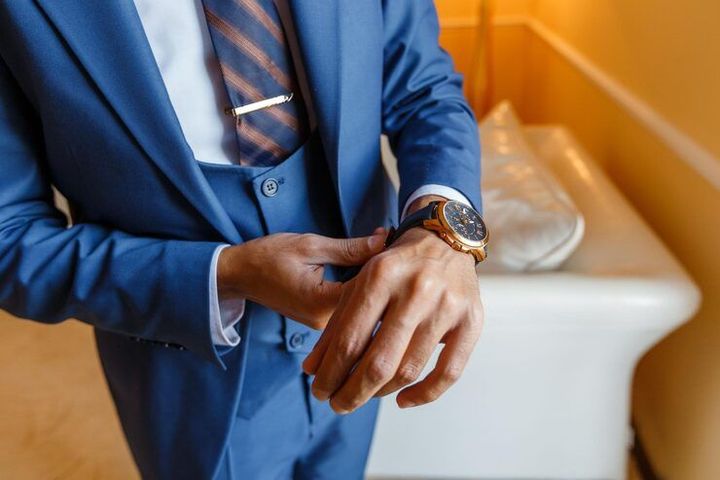
Discover Luxury Watch Investment With Collecting Strategies and Value Information
Luxury watch investment refers to the practice of acquiring high-end mechanical or collectible watches while considering their long-term market value, historical importance, condition, rarity, and demand among collectors. Unlike ordinary timepieces purchased mainly for daily use, collectible watches can also have cultural, technical, and historical significance.
The idea of watches retaining or increasing their value has existed for decades. Certain mechanical watches became particularly recognizable because of their craftsmanship, limited production, association with important events, or distinctive designs. Over time, collectors began comparing production periods, references, complications, materials, and documented ownership histories to understand why some models attract stronger interest than others.
Luxury watch investment should therefore be understood as a research-based collecting activity rather than a conventional financial product. Prices can change according to economic conditions, collector preferences, availability, condition, and broader luxury-market trends. There is no universal formula that determines how much a particular watch will be worth in the future.
What Makes a Watch Collectible
Several characteristics can influence a watch's collectible appeal. These include rarity, historical relevance, mechanical complexity, condition, originality, documentation, and the reputation of the manufacturer.
A watch with an unusual reference number, discontinued design, early production characteristics, or historically significant movement may attract specialist attention. However, rarity alone does not automatically create strong market demand.
Collectors commonly examine:
- Reference and production information
- Movement type and mechanical specifications
- Originality of components
- Dial, hands, case, and bracelet condition
- Documentation and ownership history
- Production quantities when reliably documented
- Historical or cultural significance
- Current collector interest
Importance
Luxury watch investment matters because high-value watches can represent a significant financial commitment while also functioning as physical collectibles. Understanding valuation principles can help readers distinguish between emotional collecting decisions and decisions based on documented market information.
The subject affects several groups, including first-time collectors, experienced horology enthusiasts, estate planners, auction participants, and people researching tangible collectibles. Each group may approach watches differently, but accurate information about authenticity and condition remains important.
Understanding Watch Value
Watch value is influenced by multiple variables rather than one simple measurement. Two watches from the same manufacturer can have substantially different market values because of reference, year, condition, materials, movement, originality, or documentation.
Condition is particularly important. Original components that remain well preserved can contribute to collector interest, while extensive modifications may affect how a watch is evaluated. Servicing history can also matter because mechanical watches require periodic maintenance, but replacement components should be documented where possible.
Collecting Strategies
A structured collecting strategy can help organize research. Some collectors focus on a particular manufacturer, historical period, complication, movement type, or design language. Others create collections around themes such as diving watches, chronographs, dress watches, or important mechanical innovations.
A collecting strategy may include:
- Defining a collecting theme
- Establishing a research budget
- Learning reference-number systems
- Comparing historical market records
- Checking authenticity documentation
- Recording acquisition details
- Tracking changes in market demand
This approach can make a collection easier to understand and document. It also reduces reliance on short-term market excitement when assessing individual watches.
Financial Considerations
Luxury watch investment carries uncertainty. Market prices can move upward or downward, and a watch that attracts substantial attention during one period may experience lower demand later. Economic conditions, currency movements, changing collector preferences, and the availability of comparable examples can all influence market activity.
A watch should therefore not be treated as an equivalent to a regulated financial asset. Collectors should distinguish between personal enjoyment, historical interest, and financial objectives when evaluating a potential acquisition.
Recent Updates
The luxury watch market has experienced increased digital visibility in recent years. Online marketplaces, auction platforms, specialist databases, and collector communities have made historical information more accessible. This has also increased the amount of pricing information available for comparison.
Digital research has changed how collectors investigate watches. Reference databases can help identify production characteristics, while online auction archives can provide historical examples of market transactions. However, online information may contain errors, incomplete descriptions, or inconsistent condition assessments.
Growing Interest in Watch Data
Collectors increasingly use structured data when researching luxury watch investment. Historical auction results, market indexes, production information, and comparable listings can provide useful context.
| Factor | Potential Influence on Watch Value | Information to Examine |
|---|---|---|
| Rarity | May increase collector interest | Production history |
| Condition | Can significantly affect valuation | Case, dial, movement |
| Originality | Important for many collectors | Replacement components |
| Documentation | Supports provenance and identification | Papers and records |
| Historical relevance | May strengthen collector interest | Events and ownership |
| Reference number | Identifies specific configuration | Manufacturer records |
| Market demand | Changes over time | Auction and marketplace data |
Another development is increased attention to authenticity and provenance. Collectors are using detailed photographs, movement inspections, serial-number research, and documentation reviews to reduce uncertainty.
Digital Authentication and Transparency
Technology has also changed authentication practices. High-resolution photography allows specialists to compare small details in dials, movements, engravings, clasps, and cases. Some platforms use digital records to document ownership or transaction histories.
These technologies can improve research, but they do not eliminate the need for qualified examination. Counterfeit watches can contain increasingly sophisticated components, and visual inspection alone may not always establish authenticity.
Laws or Policies
Luxury watch collecting is affected by different rules depending on where a transaction occurs. Regulations can relate to taxation, customs declarations, imported goods, consumer protection, cultural property, and documentation requirements.
International movement of valuable watches can involve customs procedures. Requirements may depend on the watch's origin, destination, declared value, materials, and reason for transportation. Certain jurisdictions also impose specific requirements concerning precious metals, gemstones, or protected materials.
Documentation and Authenticity
Collectors should maintain accurate records describing a watch's identifying information and transaction history. Useful records can include invoices, certificates, appraisal documents, service records, photographs, serial numbers, and correspondence relating to provenance.
Consumer protection rules may also apply to transactions involving professional dealers or auction businesses. The exact protections differ by jurisdiction, so local legal requirements should be checked when applicable.
Tax and Estate Considerations
High-value collectible watches may have tax implications depending on how they are acquired, transferred, inherited, or disposed of. Estate planning can also become relevant when a collection represents substantial household assets.
Tax treatment varies considerably between jurisdictions. General information cannot replace advice from a qualified tax or legal professional familiar with the applicable rules.
Tools and Resources
Several resources can help collectors research luxury watch investment and watch value information. Manufacturer archives may provide historical reference information, while auction databases can show previous market activity.
Useful Research Tools
Reference databases are useful for identifying model numbers, movement specifications, production variations, and historical configurations. Auction archives can help researchers compare watches with similar references and conditions.
Collectors may also maintain spreadsheets containing:
- Reference number
- Purchase date
- Acquisition amount
- Manufacturer
- Movement
- Condition
- Documentation
- Service history
- Insurance valuation
- Historical market observations
A spreadsheet can make it easier to track a collection over time without relying on memory.
Authentication Resources
Professional watchmakers and specialist horologists can examine mechanical components, movement architecture, case construction, and other technical details. Independent appraisal can provide another perspective when a watch has significant financial or historical importance.
Insurance documentation can also be useful for maintaining records of valuable collections. The appropriate coverage and documentation requirements depend on the jurisdiction and the insurer.
Market Research Platforms
Online auction archives and specialist watch databases can provide historical comparison information. Marketplace listings can show asking prices, although an asking price does not necessarily represent the final amount involved in a completed transaction.
This distinction is important when researching luxury watch investment. Completed historical transactions generally provide different information from current listings, and both should be interpreted within their limitations.
FAQs
Is luxury watch investment a reliable way to preserve wealth?
Luxury watch investment involves uncertainty. Individual watches can experience changes in market demand, and historical performance does not establish future results. Collectors should view watches primarily as physical collectibles rather than guaranteed financial instruments.
What factors influence luxury watch investment value?
Luxury watch investment value can be influenced by rarity, condition, originality, reference number, historical relevance, documentation, movement, materials, and collector demand. Economic conditions can also affect broader market activity.
How can I research luxury watch value information?
Watch value information can be researched through manufacturer records, auction archives, specialist databases, historical transaction data, and professional appraisals. Comparing watches with similar references and conditions provides more useful context than relying on a single listing.
What collecting strategies are commonly used?
Collecting strategies can focus on a manufacturer, historical period, complication, movement, design style, or specific watch category. A clearly defined theme can help collectors organize research and maintain consistent records.
Does watch condition affect luxury watch investment?
Condition can have a substantial influence on collectible interest. Original components, preserved dials, documented maintenance, and limited modifications may be important factors when specialists assess a watch.
Conclusion
Luxury watch investment combines horology, collecting, historical research, and market analysis. Watch value can be influenced by condition, rarity, originality, documentation, historical relevance, and changing collector demand. Recent digital tools have made research and historical market comparison more accessible, while authentication and documentation remain important considerations. Because market values can change and legal or tax requirements differ across jurisdictions, luxury watches should be evaluated as collectibles with financial uncertainty rather than as guaranteed financial instruments.