Vintage & Antique Jewelry Guide With History, Styles, and Design Insights
Vintage and antique jewelry reflects the artistic traditions, materials, craftsmanship, and cultural influences of earlier periods. The terms are often used together, but they describe different age categories. Antique jewelry generally refers to pieces that are around a century old or more, while vintage jewelry commonly describes older pieces that are not necessarily old enough to be considered antique.
The history of jewelry stretches across many civilizations, including ancient societies in Europe, Asia, Africa, and the Middle East. Early ornaments were made from materials such as shells, beads, stones, metals, bone, and natural fibers. As metalworking and gemstone-cutting techniques developed, jewelry became more detailed and began reflecting social customs, ceremonial traditions, and artistic movements.
During the nineteenth and twentieth centuries, jewelry design changed considerably. Periods such as Victorian, Edwardian, Art Nouveau, Art Deco, Retro, and Mid-Century each introduced recognizable shapes, materials, and decorative approaches. Understanding these periods helps readers identify the visual characteristics of vintage and antique jewelry without relying only on age.
Antique and Vintage Jewelry Differences
The distinction between antique and vintage jewelry is mainly associated with age, historical period, and design context. Definitions can vary among collectors, museums, dealers, and jewelry organizations.
| Category | General Age Description | Common Characteristics |
|---|---|---|
| Antique jewelry | Usually about 100 years or older | Historical craftsmanship, period materials, traditional construction |
| Vintage jewelry | Often several decades old | Distinctive period designs, older manufacturing techniques |
| Retro jewelry | Commonly associated with the 1930s–1950s | Bold forms, colorful stones, larger visual proportions |
| Art Deco jewelry | Mainly associated with the 1920s–1930s | Geometric shapes, symmetry, contrasting materials |
| Art Nouveau jewelry | Mainly associated with the late 1800s–early 1900s | Natural forms, flowing lines, floral and organic motifs |
Age alone does not determine historical importance. Design, craftsmanship, condition, documented history, materials, and rarity can all influence how a particular piece is understood.
Major Historical Jewelry Periods
Victorian jewelry often features romantic motifs, symbolic elements, colored gemstones, cameos, and intricate metalwork. Edwardian designs generally use lighter visual structures, delicate details, and openwork patterns.
Art Nouveau introduced flowing shapes inspired by flowers, insects, plants, and the human form. Art Deco moved toward geometric patterns, symmetry, angular structures, and strong contrasts.
Later vintage jewelry reflects changing social and industrial conditions. Mid-century designs often experimented with larger forms, colorful materials, sculptural shapes, and manufacturing techniques that made more complex designs possible.
Importance
Vintage and antique jewelry matters because it provides a physical connection to earlier periods of art, fashion, technology, and social history. A necklace, brooch, ring, or bracelet can reveal information about the decorative preferences and manufacturing capabilities of its period.
For everyday readers, understanding historical jewelry can also help when examining inherited pieces, researching family collections, studying jewelry design, or identifying characteristics of older ornaments. Without basic historical knowledge, different periods can easily appear similar.
What Makes Older Jewelry Distinctive
Several characteristics can help distinguish older jewelry from contemporary designs:
- Construction methods can reveal how a piece was assembled.
- Metalwork can show techniques associated with a particular period.
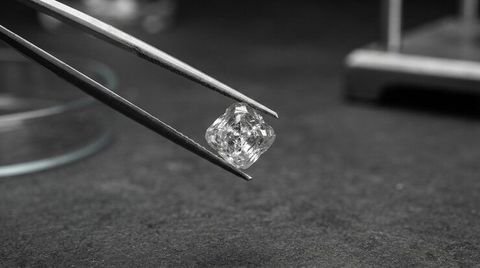
- Gemstone cuts may reflect historical cutting practices.
- Fasteners and hinges can provide clues about age.
- Engraving and decorative motifs may indicate cultural influences.
- Wear patterns can provide information about long-term use.
- Hallmarks can sometimes identify metal purity, origin, or maker information.
However, none of these characteristics should be considered conclusive on its own. Jewelry can be repaired, modified, reproduced, or assembled from components originating from different periods.
Materials and Craftsmanship
Gold, silver, platinum, enamel, pearls, diamonds, colored gemstones, glass, and various decorative materials have appeared throughout jewelry history. Their popularity changed according to technological developments, cultural preferences, availability, and fashion.
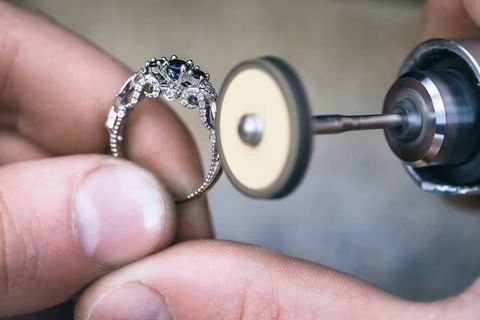
Older jewelry may show hand-finished details that differ from modern machine-assisted production. Tiny variations in engraving, setting, or surface texture can sometimes provide useful historical clues. At the same time, skilled modern reproductions can imitate older construction techniques, so visual inspection alone has limitations.
Condition and Preservation
Condition is an important part of understanding vintage and antique jewelry. Scratches, repaired settings, missing stones, weakened clasps, worn plating, and previous modifications can affect the physical character of a piece.
Preservation requires attention to storage, handling, moisture, chemicals, temperature changes, and mechanical stress. Some historical materials can be particularly delicate, including certain enamels, pearls, foiled stones, and older organic materials.
Recent Updates
The vintage and antique jewelry field has increasingly benefited from digital research, online archives, high-resolution photography, and improved identification tools. These developments make historical information more accessible to people who are researching jewelry from home.
Digital catalogs and museum collections can help readers compare motifs, construction methods, gemstone cuts, and historical periods. Image-based search tools can also help identify visually similar designs, although a visual match does not establish authenticity or age.
Changing Design Interests
Recent jewelry discussions have placed greater attention on individuality, historical design, craftsmanship, and the reuse of existing materials. Older jewelry styles continue to influence contemporary designers through geometric patterns, botanical motifs, colored stones, sculptural forms, and period-inspired settings.
Another noticeable trend is interest in jewelry provenance. Provenance refers to documented information about a piece's previous ownership, history, or origin. Reliable documentation can provide useful context, although the absence of documentation does not automatically determine whether an item is genuine or historically significant.
Identification Technology
Digital magnification, gemstone testing equipment, metal analysis, photography, and database research can provide additional information about older jewelry. These tools are increasingly used alongside traditional examination methods.
Artificial intelligence and image-recognition technology can assist with visual classification, but they should be treated as research aids rather than definitive authentication systems. Physical examination and qualified professional assessment remain important when questions involve authenticity, historical attribution, or material identification.
Laws or Policies
Rules concerning antique and vintage jewelry vary significantly between countries and can depend on the material, age, origin, declared value, and method of transfer. Regulations may address precious metals, gemstones, cultural objects, archaeological materials, wildlife-derived materials, imports, exports, and documentation.
Cultural Heritage Rules
Some older jewelry can fall within cultural heritage regulations when it has archaeological, historical, or culturally protected characteristics. Certain countries restrict the movement of archaeological artifacts or objects considered part of national heritage.
Jewelry containing materials derived from protected wildlife can also be subject to additional restrictions. Examples may include certain types of coral, ivory, shells, or other regulated natural materials. The specific requirements depend on local and international rules.
Documentation and Identification
Hallmarks and metal markings may be regulated differently across jurisdictions. Some systems require particular markings to indicate metal purity or responsible parties, while others use different identification methods.
For international movement of historical jewelry, documentation may be relevant to demonstrate lawful ownership, material composition, age, or origin. Because regulations differ, general information should not be treated as legal advice.
Tools and Resources
Several resources can help readers study vintage and antique jewelry more systematically.
Jewelry Research Tools
Museum collection databases provide historical examples that can be compared with jewelry designs. Period fashion books and academic publications can explain changing styles, materials, and cultural influences.
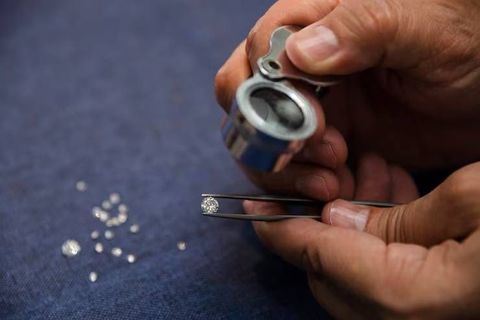
A jeweler's loupe can provide magnified views of hallmarks, gemstone settings, engraving, and surface details. Digital photography can help document a piece from multiple angles before further research.
Gemstone and Metal Identification
Gemstone reference guides can explain differences in color, hardness, optical characteristics, and historical use. Metal-testing equipment can provide additional information about composition, although testing methods vary in accuracy and suitability for delicate objects.
A simple research record can include:
- Measurements and approximate weight
- Metal markings and hallmarks
- Gemstone descriptions
- Construction characteristics
- Decorative motifs
- Visible repairs or alterations
- Photographs from multiple angles
- Available ownership or historical documentation
These details create a structured record that can make later research easier.
FAQs
What is the difference between vintage and antique jewelry?
Antique jewelry is generally associated with pieces around a century old or older, while vintage jewelry usually refers to older pieces from a recognizable past period. The exact definitions can vary depending on the organization or specialist using the terms.
How can vintage and antique jewelry be identified?
Identification can involve examining construction methods, hallmarks, materials, gemstone cuts, decorative motifs, fasteners, and manufacturing characteristics. Age should not be determined from appearance alone because repairs and reproductions can create similarities between periods.
What are common antique jewelry styles?
Common historical styles include Victorian, Edwardian, Art Nouveau, and Art Deco. Each has distinctive characteristics involving shapes, ornamentation, materials, and construction techniques.
Does a hallmark prove that antique jewelry is authentic?
A hallmark can provide useful information about metal composition, maker, or origin, depending on the marking system. However, a hallmark by itself does not necessarily establish the complete age or authenticity of a piece.
How should vintage jewelry be preserved?
Storage in a clean, dry environment with protection from excessive moisture, chemicals, impact, and unnecessary handling can help preserve older jewelry. Delicate materials may require specialized examination before cleaning or restoration.
Conclusion
Vintage and antique jewelry combines historical design, craftsmanship, materials, and cultural influences from different periods. Understanding distinctions between antique, vintage, and individual design movements provides useful context when examining older jewelry. Identification can involve hallmarks, construction, gemstones, motifs, condition, and historical documentation rather than age alone. Modern digital research and analytical tools have expanded access to jewelry history while leaving physical examination important for detailed assessment.