Industrial Waste Compactors Guide With Automated Waste Handling and Environmental Solutions
Industrial facilities generate many forms of waste, including packaging, production residues, paper, plastics, textiles, wood, and other non-hazardous materials. As waste volumes increase, loose materials can occupy valuable floor space and make handling more difficult.
Industrial waste compactors are designed to reduce the physical volume of suitable waste through controlled compression. They form part of automated waste handling systems that can improve material movement, storage organization, workplace housekeeping, and environmental management.
Industrial waste compactors vary by application, capacity, feed arrangement, and compaction method. Some units process waste in containers, while others connect to conveyors, chutes, hoppers, or centralized collection systems. Understanding how these machines work helps facility managers, operators, and general readers understand their role within modern waste management.
Context
What Industrial Waste Compactors Do
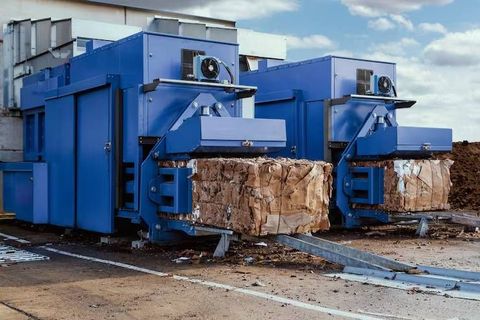
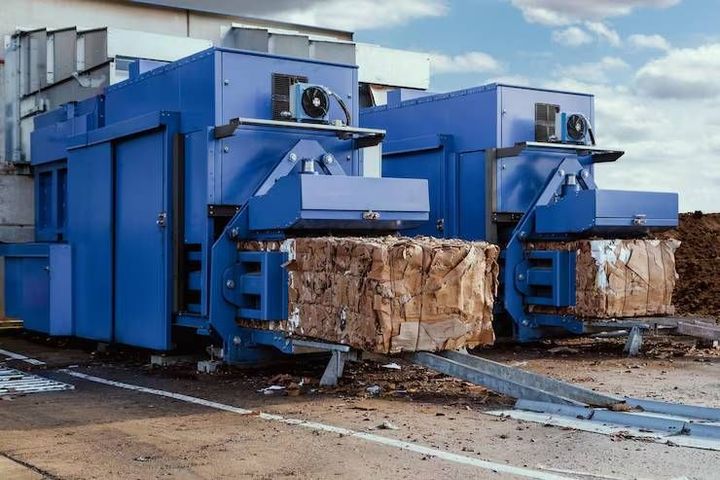
An industrial waste compactor uses mechanical force to compress compatible waste materials into a smaller volume. A hydraulic, electric, or electromechanical mechanism can move a ram or compaction plate through a chamber, pressing material together. Depending on the machine design, the compressed material may remain in a container or move into another collection stage.
The basic process usually includes loading, compression, containment, and removal. Sensors, control panels, safety interlocks, and automated sequences can coordinate these steps. In larger facilities, compactors may operate as one part of an integrated automated waste handling arrangement rather than as an isolated machine.
Common Industrial Applications
Industrial waste compactors are used in manufacturing plants, warehouses, distribution centers, processing facilities, and other locations generating substantial solid waste. Applications include packaging waste, cardboard, plastics, textiles, production offcuts, and selected mixed dry waste.
The machine must match the material. Hazardous materials, pressurized containers, liquids, and other restricted waste streams require separate handling unless specifically approved for compaction.
Main Machine Types
Several configurations are used across industrial environments. Stationary compactors feed material into a separate container, while self-contained compactors combine the compaction mechanism and container. Vertical compactors use a vertical chamber and can suit facilities with limited floor area.
Selection can consider waste type and density, material volume, available space, loading method, container capacity, power requirements, noise, and safety controls.
Importance
Reducing Waste Volume
Loose waste can occupy substantial space because materials often contain air gaps. Compaction reduces these gaps and creates a denser material stream. This can make internal storage areas more organized and reduce the number of container movements needed for a given amount of material.
The actual reduction depends on the waste composition, moisture level, machine design, and compaction pressure. A compactor should therefore be evaluated according to the material it is intended to process rather than by a single general volume-reduction figure.
Improving Automated Waste Handling
Automated waste handling connects collection points with equipment that moves, separates, compresses, or stores materials. Conveyors, sensors, chutes, bins, compactors, and control systems can work together to reduce manual movement between production areas and collection zones.
A typical sequence may involve a sensor detecting a full bin, a conveyor moving material toward the compactor, and a control system checking safety conditions before a compaction cycle begins.
Supporting Workplace Organization
Waste around production areas can interfere with movement and housekeeping. Centralized compaction can create predictable collection points and reduce loose material when equipment is correctly positioned.
Guards, emergency stops, access controls, interlocks, and safe loading arrangements are important because the compression chamber contains moving components with significant force.
Environmental Considerations
Industrial waste compactors are primarily volume-management machines, not complete environmental treatment systems. They can support organized collection and movement of suitable waste streams.
Environmental performance also depends on segregation, contamination control, spill prevention, and appropriate recovery or disposal pathways.
Operational Comparison
| Factor | Manual Collection | Basic Compaction | Automated Waste Handling |
|---|---|---|---|
| Material movement | Frequent manual movement | Reduced volume after loading | Coordinated movement |
| Space use | Often less predictable | More compact storage | Planned collection zones |
| Automation | Low | Moderate | Higher |
| Monitoring | Mainly visual | Machine controls | Sensors and control systems |
| Suitable scale | Small or variable streams | Regular waste volumes | Larger, structured facilities |
Recent Updates
Smarter Control Systems
Current industrial equipment increasingly uses programmable controllers, sensors, and digital monitoring. These systems can track cycles, detect selected faults, monitor container status, and support controlled sequences.
Digital monitoring supports, rather than replaces, physical inspections, safety procedures, and operator training.
Integration With Material Segregation
Modern waste management increasingly emphasizes separating materials before final collection. Automated waste handling systems may combine conveyors, sorting equipment, weighing systems, bins, and compactors so that different waste streams remain more clearly separated.
This trend is particularly relevant where facilities process large quantities of packaging or recoverable materials. Compaction can then be used after appropriate sorting rather than treating every material as one mixed stream.
Energy and Equipment Efficiency
Current equipment increasingly incorporates efficient motors, hydraulic systems, controls, and standby functions. Energy use varies with machine size, cycle frequency, material type, and operating schedule.
Facility assessments may also consider container movements, equipment downtime, material recovery, and internal transport distances.
Data-Based Maintenance
Sensors and operating logs can identify unusual cycle times, repeated faults, or changes in machine behavior. These records can support maintenance planning, while inspections and equipment instructions remain important.
Laws or Policies
Waste Classification and Handling Rules
Rules governing industrial waste vary by jurisdiction and by the type of material generated. Many regulatory systems distinguish ordinary non-hazardous waste from hazardous, infectious, chemical, electronic, or otherwise controlled materials.
A waste compactor should therefore be used only for material categories permitted by the applicable equipment design and local requirements. Classification is generally determined before material enters the compaction process.
Worker Safety Requirements
Industrial machinery is commonly subject to rules concerning guarding, emergency stops, electrical safety, lockout procedures, access, operator training, and equipment inspection. Specific requirements differ between jurisdictions and industries.
Facilities using industrial waste compactors may need documented operating procedures and risk assessments. Automated systems should also account for safe access to loading areas, conveyors, containers, and maintenance points.
Environmental Management
Environmental policies can address waste segregation, storage, transportation, recycling, discharge prevention, and final disposal. Some jurisdictions also require records that identify waste quantities or movement between collection and processing stages.
For that reason, an industrial waste compactor should be considered one component of a wider waste management program. The machine itself does not determine whether a facility meets environmental requirements.
Tools and Resources
Waste Volume Calculators
Waste volume calculators can estimate material generated over a defined period using inputs such as container dimensions, collection frequency, material density, and operating hours.
Equipment Specification Sheets
Specification sheets typically provide chamber dimensions, ram force, power requirements, cycle time, container configuration, controls, and compatible materials. These details help readers compare compactor designs.
Waste Audit Templates
A waste audit template can organize information such as material type, quantity, collection point, contamination level, storage method, and destination. A structured audit can reveal where waste is generated and whether separate streams should be maintained.
Monitoring Platforms
Industrial monitoring platforms can collect data from sensors, programmable controllers, weighing devices, and equipment status signals. Depending on the system, dashboards may display cycle counts, container status, alarms, or energy information.
These resources are most useful when combined with site-specific measurements and applicable operating requirements. General calculators and templates should not replace engineering assessments where machinery integration or safety risks are significant.
FAQs
What is an industrial waste compactor?
An industrial waste compactor is a machine that compresses suitable solid waste into a smaller physical volume. It can be used independently or integrated into an automated waste handling system.
How does automated waste handling work with a compactor?
Automated waste handling can use conveyors, sensors, chutes, bins, and control systems to move material toward a compactor. The control system can coordinate loading and compaction sequences while monitoring selected operating conditions.
What materials can an industrial waste compactor process?
Suitable materials depend on the machine and its approved application. Common examples include cardboard, paper, plastics, packaging residues, and certain dry industrial wastes. Hazardous or restricted materials require separate handling according to applicable rules.
Are industrial waste compactors environmentally friendly?
A compactor does not by itself determine environmental performance. It can support waste-volume management and organized collection, while environmental outcomes also depend on segregation, recycling, containment, transportation, and final material processing.
What factors affect industrial waste compactor selection?
Important factors include waste type, material density, expected volume, loading method, available space, power requirements, container arrangement, safety controls, and integration with existing waste handling equipment.
Conclusion
Industrial waste compactors reduce the physical volume of suitable industrial waste through controlled mechanical compression. They can operate as standalone machines or as part of automated waste handling systems that include conveyors, sensors, containers, and control equipment. Current trends emphasize digital monitoring, material segregation, equipment efficiency, and data-supported maintenance. Their environmental and operational role depends on appropriate waste classification, safe operation, and integration with broader waste management practices.