Glamorous Chandelier Earrings Overview With Trends, Designs, and Jewelry Information
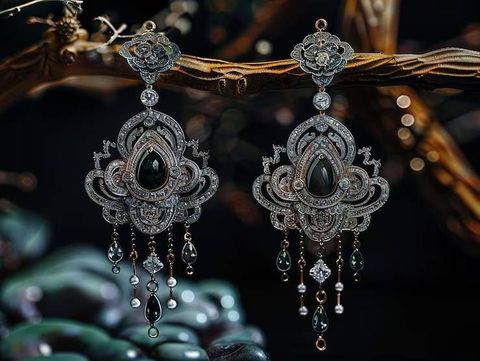
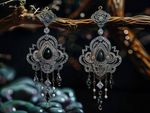
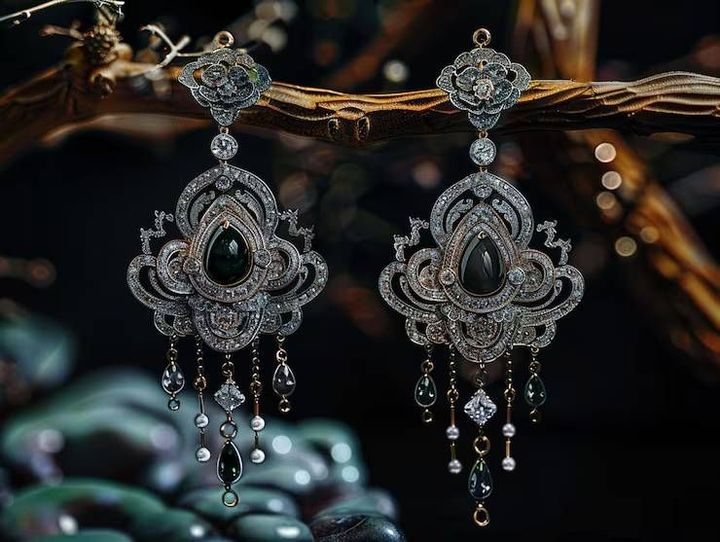
Chandelier earrings are distinctive jewelry pieces designed with multiple tiers, drops, chains, beads, gemstones, crystals, or decorative elements that extend downward from the ear.
Their name comes from their visual resemblance to a chandelier, where several decorative sections branch or hang from a central structure. Glamorous chandelier earrings can range from delicate designs with a few small drops to elaborate pieces with multiple layers and intricate detailing.
The history of chandelier-style earrings is connected with long traditions of decorative jewelry. Earrings with hanging elements appeared in various cultures over centuries, with artisans using metals, beads, stones, glass, pearls, and other decorative materials. Their designs changed as jewelry-making techniques developed and as fashion preferences shifted.
Modern chandelier earrings are available in many shapes and materials. Some designs use precious metals and gemstones, while others use plated metals, glass crystals, synthetic stones, enamel, pearls, acrylic elements, or mixed materials. This variety allows chandelier-style designs to appear in formal jewelry collections as well as everyday fashion accessories.
The structure usually begins with an ear attachment such as a post, hook, lever-back, or clip mechanism. Decorative sections are then connected below the attachment. These sections may be symmetrical, graduated, geometric, floral, abstract, or inspired by traditional patterns.
Basic Design Structure
A chandelier earring commonly contains several visual layers. The upper section connects the earring to the ear, the middle section creates width and movement, and the lower section provides the longest decorative drop.
Designers can create different effects by changing the length, width, number of tiers, and arrangement of decorative elements. Lightweight designs may use thin metal components and small stones, while larger pieces may contain broader metal surfaces and numerous decorative elements.
Materials Used in Chandelier Earrings
Materials influence appearance, weight, durability, and maintenance requirements. Common materials include:
Gold and gold alloys
Silver and silver alloys
Platinum in selected jewelry designs
Stainless steel and other metals
Gold-plated or silver-plated metals
Pearls
Natural gemstones
Synthetic gemstones
Glass crystals
Enamel
Acrylic and resin elements
The material used for the earring post or hook is particularly relevant for people who experience sensitivity to certain metals. Product specifications can provide information about the materials used in different components.
Importance
Chandelier earrings occupy an important place in jewelry design because their extended shape can create movement and visual emphasis around the face. Unlike simple studs, they can incorporate several decorative elements into one piece, allowing designers to experiment with proportion, texture, color, and symmetry.
They are commonly associated with formal clothing, evening events, celebrations, cultural occasions, and fashion styling. At the same time, smaller chandelier earrings can be designed for less formal settings.
Styling and Proportion
The length and width of chandelier earrings influence how they appear when worn. Long earrings can create a vertical visual line, while wider designs can create more emphasis around the sides of the face.
Face shape can be considered when selecting a design, although jewelry styling is subjective. Some people prefer designs that contrast with their facial proportions, while others prefer shapes that echo their features.
Necklines and hairstyles also influence how chandelier earrings are displayed. Upward hairstyles can leave the earrings more visible, while longer hair can partially frame or cover them.
Occasion and Jewelry Selection
Chandelier earrings can be grouped broadly according to their visual character and intended setting:
Minimal designs with short drops and limited decoration
Formal designs with gemstones, pearls, or crystal elements
Statement designs with multiple tiers and larger shapes
Vintage-inspired designs using ornate patterns
Contemporary designs featuring geometric lines
Cultural designs incorporating traditional motifs
Bridal designs using pearls, crystals, or light-colored stones
The appropriate design depends on personal preference, clothing, hairstyle, occasion, and comfort.
Comfort and Weight
Weight is an important consideration because chandelier earrings extend away from the ear and can contain several decorative components. Two earrings with similar dimensions can have significantly different weights depending on the materials used.
Lightweight materials can make large visual designs easier to wear for longer periods. Designers may use hollow metal components, thin structures, lightweight beads, or carefully distributed elements to reduce overall weight.
The attachment mechanism also matters. Posts, hooks, lever backs, and clip systems provide different levels of support and may suit different users.
Recent Updates
From 2024 through 2026, jewelry design has continued to combine traditional decorative forms with contemporary styling. Chandelier earrings remain adaptable because their basic hanging structure can be redesigned through changes in geometry, materials, colors, and proportions.
Modern Chandelier Earring Trends
Current design directions include a mixture of bold statement pieces and more restrained versions. Some designers are using elongated silhouettes, while others are reducing the number of tiers to create lighter visual structures.
Geometric forms are also appearing alongside traditional floral and ornamental patterns. Circles, rectangles, arches, abstract shapes, and asymmetric arrangements can provide a modern appearance while retaining the characteristic hanging structure.
Mixed Materials
Mixed-material jewelry has become an important design approach. A single chandelier earring may combine metal with pearls, glass, colored stones, enamel, resin, or textile elements.
Combining materials can create differences in texture and reflectivity. Smooth metal surfaces may be paired with faceted stones, while matte elements can contrast with polished components.
Color and Gemstone Design
Color can significantly change the character of chandelier earrings. Clear crystals and neutral stones can create a restrained appearance, while colored gemstones or enamel can introduce stronger visual contrast.
Designers may also use graduated colors, where stones or decorative components change gradually from one shade to another. This approach can emphasize the tiered structure of the earring.
Sustainable Jewelry Considerations
Environmental awareness has also influenced discussions around jewelry materials and production. Recycled metals, responsibly sourced materials, longer-lasting construction, and repairable designs are among the considerations appearing in contemporary jewelry discussions.
Material transparency can help consumers understand what metals, stones, coatings, and other components are included in a piece. Sustainability claims should be assessed according to the available product information rather than assumed from appearance alone.
Laws or Policies
Chandelier earrings are generally subject to rules concerning product labeling, material disclosure, consumer protection, precious-metal identification, gemstone descriptions, and chemical restrictions. The exact requirements vary by jurisdiction and by the materials used.
Metal and Material Disclosure
Jewelry containing precious metals may be subject to rules concerning purity marks, trademarks, descriptions, or other identification requirements. These rules differ between countries and may apply differently to solid metals, plated products, alloys, and mixed-metal construction.
Material descriptions should accurately reflect the composition of the jewelry. Terms describing plating, metal content, gemstones, synthetic stones, and imitation materials can have specific meanings under applicable regulations.
Gemstone Information
Gemstone descriptions can also be regulated. Natural, synthetic, laboratory-created, treated, and imitation stones are distinct categories, and appropriate disclosure can be important when describing jewelry.
Treatments applied to gemstones may affect their appearance or maintenance requirements. Jewelry documentation can identify relevant treatments where disclosure is required or provided by the manufacturer.
Product Safety
Jewelry may also be affected by regulations concerning substances that can come into prolonged contact with skin. Requirements can address certain metals, coatings, or chemical substances used in jewelry production.
Children's jewelry can be subject to additional requirements in some jurisdictions because of considerations related to small parts, materials, and physical hazards.
Tools and Resources
Several tools can help people understand chandelier earrings and compare different design characteristics. Jewelry measurement guides can help explain earring length, width, stone dimensions, and attachment sizes.
Digital jewelry catalogs and design platforms can provide visual references for different silhouettes. Jewelry care guides can also explain how to store, clean, and handle different materials.
Useful resources include:
Jewelry measurement charts
Metal purity references
Gemstone identification guides
Jewelry care instructions
Face-shape styling guides
Digital jewelry design software
CAD jewelry modeling platforms
Material specification sheets
Jewelry storage guides
Product dimension charts
A simple design comparison is shown below:
| Chandelier Earring Style | Main Characteristics | Common Materials | Typical Visual Effect |
|---|---|---|---|
| Minimal Drop | Short, limited tiers | Metal, small stones | Subtle movement |
| Crystal Chandelier | Multiple reflective elements | Crystal, glass, metal | Sparkling appearance |
| Pearl Chandelier | Hanging pearl elements | Pearls, metal | Soft and classic |
| Geometric | Angular or symmetrical shapes | Metal, enamel, stones | Contemporary |
| Floral | Petal and leaf motifs | Metal, stones, enamel | Ornamental |
| Statement | Larger multi-tier structure | Mixed materials | Strong visual emphasis |
| Vintage-Inspired | Detailed ornamental patterns | Metal, stones, pearls | Traditional character |
Jewelry design software can also be used to visualize proportions before manufacturing. Three-dimensional modeling allows designers to examine connections, dimensions, stone placement, and overall structure.
FAQs
What are glamorous chandelier earrings?
Glamorous chandelier earrings are hanging earrings with multiple decorative sections, tiers, drops, stones, beads, crystals, pearls, or metal elements. Their structure creates movement and visual detail around the ear.
What designs are popular for chandelier earrings?
Common designs include crystal, pearl, floral, geometric, vintage-inspired, asymmetric, and multi-tier styles. Contemporary designs may combine several materials or use simplified geometric structures.
How do I choose chandelier earrings for an occasion?
Consider the length, weight, color, materials, clothing, hairstyle, and formality of the occasion. Smaller designs may suit everyday settings, while elaborate multi-tier designs can complement formal clothing.
Are chandelier earrings heavy?
Weight varies considerably. Large earrings are not necessarily heavy because designers can use lightweight metals, hollow structures, thin components, or lightweight decorative materials.
What materials are used in chandelier earrings?
Chandelier earrings can contain gold, silver, platinum, plated metals, stainless steel, pearls, natural or synthetic gemstones, glass crystals, enamel, acrylic, and other decorative materials.
Conclusion
Glamorous chandelier earrings combine hanging structures, layered decoration, materials, color, and movement into distinctive jewelry designs. Modern versions range from lightweight minimal forms to elaborate multi-tier pieces using metals, pearls, crystals, gemstones, and mixed materials. Recent design directions include geometric shapes, mixed materials, varied colors, flexible proportions, and greater attention to material information. Jewelry selection also involves considerations such as weight, attachment type, maintenance, material composition, and applicable product requirements.