Explore Mexican Silver Jewellery With Unique Designs, History, and Craftsmanship
Mexican silver jewellery reflects centuries of metalworking traditions shaped by Indigenous cultures, Spanish influence, regional artistry, and changing design preferences.
Silver became an important material in Mexico during the colonial period, while communities developed distinctive methods for shaping, hammering, casting, engraving, and polishing jewellery.
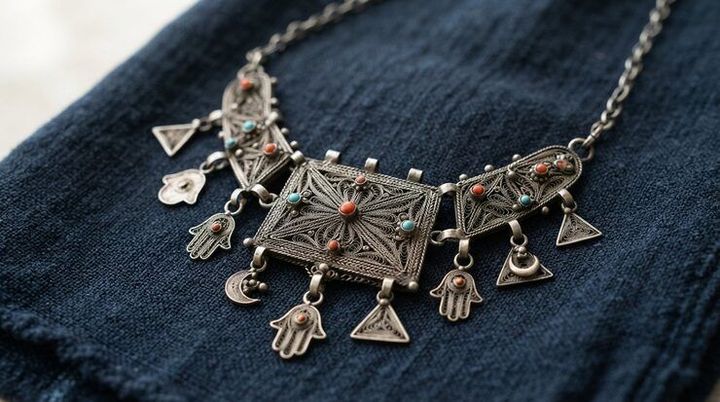
Mexican silver jewellery is associated with several important craft regions. Taxco is particularly recognized for its silverworking tradition, while other areas have developed their own approaches using regional patterns, stones, textures, and symbolic forms. Designs can range from simple polished pieces to detailed jewellery featuring geometric, floral, natural, or cultural motifs.
Materials and Craftsmanship
Traditional Mexican silver jewellery may use sterling silver, which generally contains a high proportion of silver combined with another metal to improve durability. Artisans can work with sheet silver, wire, cast components, or individually formed elements depending on the design.
Craftsmanship may involve several stages, including shaping, soldering, filing, texturing, polishing, and surface finishing. Some pieces are produced using traditional hand techniques, while contemporary workshops may combine manual craftsmanship with modern equipment.
Design Characteristics
Mexican silver jewellery includes a broad range of styles rather than one fixed appearance. Common characteristics include:
Hammered and textured surfaces
Geometric patterns
Floral and botanical forms
Sculptural shapes
Engraved details
Mixed-metal elements
Silver combined with coloured stones
Polished, oxidized, or deliberately textured finishes
The variety allows Mexican silver jewellery to connect historical techniques with contemporary jewellery design.
Importance
Cultural and Artistic Significance
Mexican silver jewellery matters because it represents an ongoing craft tradition rather than simply a category of decorative objects. Jewellery can preserve techniques, motifs, and regional identities that have developed across generations.
The cultural meaning of a piece can depend on its region, design, materials, and production method. Some jewellery reflects Indigenous artistic traditions, while other designs demonstrate the influence of colonial and modern artistic movements.
Importance for Everyday Wear
Silver jewellery is widely used for personal adornment because it can be formed into many different shapes and styles. Earrings, rings, necklaces, bracelets, pendants, and decorative pieces can all be produced using silver.
For everyday users, understanding Mexican silver jewellery can also help distinguish between different construction methods and material descriptions. A piece marked as sterling silver, for example, has a different material composition from jewellery that is merely silver-coloured or silver-plated.
Understanding Authenticity and Craftsmanship
Identifying the characteristics of Mexican silver jewellery can be useful when comparing pieces. Marks, workmanship, construction quality, material descriptions, and regional design characteristics can provide useful information.
However, a hallmark or regional reference alone does not establish the complete history of a piece. Older jewellery can have worn markings, modified components, or restoration work, so provenance and professional evaluation may sometimes be necessary for historical pieces.
Recent Updates
Contemporary Mexican Silver Jewellery Trends
From 2024 through 2026, Mexican silver jewellery has continued to combine traditional craftsmanship with contemporary design. Current collections and independent artisans commonly explore cleaner shapes, mixed textures, organic forms, and designs that can work with modern clothing.
There is also continued interest in handmade and culturally connected jewellery. Consumers increasingly pay attention to how an item was produced, what materials were used, and whether traditional techniques remain part of the manufacturing process.
Sustainability and Material Awareness
Material transparency has become more relevant to jewellery discussions. Recycled metals, responsible material sourcing, production efficiency, and longer-lasting designs are increasingly considered when evaluating jewellery.
These developments do not mean that every Mexican silver jewellery piece follows the same production standards. Manufacturing practices vary between artisans, workshops, and commercial producers.
Digital Access to Craft Information
Digital platforms have also changed how people learn about Mexican silver jewellery. Online catalogues, museum collections, educational databases, artisan profiles, and jewellery identification resources make it easier to compare historical styles with contemporary designs.
This wider access has increased interest in regional techniques and the history behind individual jewellery forms.
Laws or Policies
Silver Standards in Mexico
Mexican jewellery production operates within national rules concerning precious-metal products, commercial information, and consumer protection. Silver content and product descriptions can be subject to applicable standards and verification requirements.
Silver jewellery may contain different levels of silver depending on its classification. Sterling silver commonly refers to an alloy containing approximately 92.5% silver, although terminology and marking practices should be considered together with the applicable standards.
Hallmarks and Identification
Marks can provide information about a jewellery item's material or origin, but their interpretation requires care. Mexican silver pieces may carry numerical marks, maker identifiers, workshop references, or other symbols depending on their period and production history.
A mark should therefore be considered one part of an identification process rather than complete proof of authenticity. Older pieces may have different marking conventions from contemporary jewellery.
Consumer Information
Mexican consumer rules are relevant to jewellery descriptions, commercial transactions, and representations made about products. Information concerning material composition, characteristics, and other relevant details should be presented accurately.
For collectors and general users, keeping documentation associated with an important jewellery piece can help preserve information about its origin, materials, and history.
Tools and Resources
Hallmark Reference Guides
Hallmark databases and jewellery identification guides can help readers compare symbols, numbers, maker marks, and historical conventions. These resources are particularly useful when researching vintage or antique Mexican silver jewellery.
Silver Purity Information
Silver purity tables provide a simple way to understand commonly used silver grades. A basic reference can be structured as follows:
| Silver Description | Approximate Silver Content | General Characteristics |
|---|---|---|
| Fine silver | 99% or higher | Very high silver content, relatively soft |
| Sterling silver | About 92.5% | Durable alloy commonly used for jewellery |
| Coin silver | Varies by standard | Historical term with regional differences |
| Silver-plated | Thin silver layer | Silver applied over another base material |
These categories should not be treated as proof of a particular item's composition without appropriate verification.
Museum and Cultural Collections
Museum catalogues, cultural archives, and historical collections can provide useful background on Mexican silver jewellery. They may document regional designs, historical makers, jewellery techniques, and changes in artistic styles.
Jewellery Measurement Tools
Digital scales, calipers, magnification tools, and jewellery loupe devices can help with basic examination. These tools can reveal dimensions, construction details, surface markings, and workmanship, although they do not replace laboratory testing or professional authentication when certainty is required.
FAQs
What is Mexican silver jewellery known for?
Mexican silver jewellery is known for its varied regional styles, detailed craftsmanship, textured surfaces, geometric designs, natural motifs, and long history of silverworking. Taxco is particularly associated with Mexican silver jewellery, but important craft traditions exist in other regions as well.
How can Mexican silver jewellery be identified?
Identification can involve examining silver marks, maker symbols, construction methods, design characteristics, materials, and documented history. A single hallmark should not be treated as the only evidence when determining an item's origin or authenticity.
Is Mexican silver jewellery made from sterling silver?
Many contemporary pieces are made from sterling silver, which commonly contains about 92.5% silver. However, Mexican silver jewellery includes different materials and historical standards, so the specific markings and documentation should be examined for each piece.
Why is Taxco important to Mexican silver jewellery?
Taxco developed a strong reputation for silverworking and became an important centre for Mexican jewellery design. Its artisans and designers contributed to the development of distinctive silver forms that influenced Mexican jewellery during the twentieth century and beyond.
What tools help with Mexican silver jewellery research?
Hallmark references, museum collections, jewellery loupes, digital scales, calipers, silver-purity information, and historical catalogues can support research. For valuable or historically significant pieces, specialist examination may provide more reliable identification.
Conclusion
Mexican silver jewellery combines historical metalworking traditions with regional design and contemporary craftsmanship. Its styles range from simple textured forms to detailed pieces influenced by nature, geometry, and cultural heritage. Understanding silver purity, markings, construction techniques, and regional history provides useful context when examining these jewellery pieces. The continuing connection between traditional craftsmanship and modern design keeps Mexican silver jewellery an important part of the country's artistic heritage.