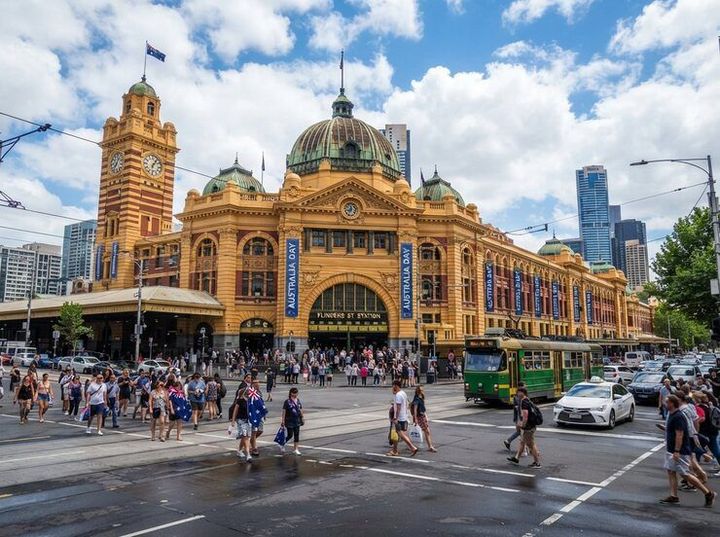
Learn About Melbourne Travel With Attractions, Local Experiences, and Planning Advice
Melbourne travel combines urban attractions, cultural experiences, food districts, sporting venues, public spaces, museums, coastal areas, and day trips into the surrounding region.
Melbourne is the capital of Victoria and has developed as a major Australian city with a diverse population, strong arts scene, extensive public transport, and a large calendar of cultural and sporting activities.
For travelers, Melbourne can be approached in several ways. A short city visit may focus on central attractions, laneways, galleries, markets, gardens, and restaurants. A longer stay can include beaches, wildlife locations, regional towns, the Great Ocean Road, the Yarra Valley, or other parts of Victoria.
The city is known for its laneways, cafés, public art, cultural institutions, sporting venues, and varied neighborhoods. Federation Square, Melbourne Cricket Ground, Melbourne Museum, Queen Victoria Market, and the National Gallery of Victoria are among the places commonly included in Melbourne travel planning.
Understanding Melbourne's Layout
Melbourne's central area is relatively compact, making it possible to combine walking with public transport. The central city contains many attractions within a manageable distance of one another, while surrounding neighborhoods provide different food, shopping, cultural, and residential experiences.
The city also functions as a gateway to wider Victoria. Travelers can use Melbourne as a base for excursions toward coastal areas, wildlife destinations, wine regions, historic towns, and natural landscapes.
Main Attractions
Melbourne attractions cover several categories:
Cultural institutions such as museums and galleries
Historic buildings and architectural areas
Sporting venues and event spaces
Public gardens and parks
Markets and food districts
Beaches and waterfront areas
Wildlife and nature locations
Entertainment and theatre venues
The Melbourne Cricket Ground is associated with Australian sports and also provides tours outside match periods. Federation Square brings together public spaces, cultural venues, restaurants, and city activities.
Importance
Melbourne travel matters because the city provides a combination of urban and regional experiences within one broader destination. Travelers can spend part of a trip exploring museums and laneways and another part visiting coastal scenery, wildlife areas, or regional landscapes.
The destination also affects a wide tourism network that includes accommodation providers, restaurants, cultural institutions, transport operators, event organizers, guides, markets, and regional attractions.
Local Experiences
Local experiences can provide a different perspective from visiting major attractions alone. Exploring neighborhoods, walking through laneways, visiting public markets, attending cultural events, and spending time in parks can reveal how residents use different parts of the city.
Food is another major part of Melbourne's travel culture. Different neighborhoods have distinct culinary traditions and restaurant communities, while markets provide opportunities to encounter fresh produce, prepared foods, and local products.
Arts, Culture, and Events
Melbourne has a broad cultural calendar that includes theatre, exhibitions, music, comedy, design, festivals, and sporting events. The official visitor information for 2026 includes seasonal events, exhibitions, theatre, sports, food activities, and regional events.
Travel planning around an event can change accommodation availability, public transport patterns, and the amount of time needed to reach particular locations. Checking an event calendar before finalizing an itinerary can therefore help create a more practical schedule.
Parks, Waterfronts, and Outdoor Areas
Outdoor activities are another part of Melbourne travel. The Royal Botanic Gardens, Yarra River areas, beaches, parks, and walking routes provide alternatives to indoor attractions.
St Kilda and Brighton are among the coastal areas associated with Melbourne, while nearby regions provide access to additional natural environments.
For travelers interested in wildlife, destinations around Melbourne and Victoria include wildlife sanctuaries and areas where native Australian animals can be observed in managed or natural settings.
Recent Updates
Melbourne's travel environment continues to evolve through changes in public transport, visitor information, seasonal events, and regional tourism planning. The 2026 Official Visitor Map includes updated information about public transport, key attractions, traveler information, and Melbourne's inner-city areas.
Public Transport Developments
Melbourne's transport network includes trains, trams, and buses, while regional Victoria is connected through additional train, coach, and bus services. Visitors can use myki or supported contactless payment methods on applicable services.
One important current change is the Victorian public transport fare arrangement. Public transport across Victoria is currently subject to a temporary half-price arrangement through the end of 2026, according to the Victorian Government and Transport Victoria. Travelers should check current conditions because fare arrangements can change.
The Free Tram Zone continues to cover central Melbourne. Travelers using trams entirely within that zone generally do not need to tap on or off.
Updated Visitor Information
The official Melbourne visitor map and seasonal visitor guides have continued to be updated with transport information, attractions, events, accessibility information, and regional travel ideas. This reflects the growing need for travelers to combine city activities with regional experiences.
Regional Travel
Melbourne travel increasingly connects with destinations outside the central city. The official visitor material highlights regional escapes, wildlife experiences, vineyards, coastal destinations, and landscapes across Victoria.
The Great Ocean Road and Twelve Apostles are examples of attractions frequently associated with Melbourne-based regional travel planning. Wildlife destinations such as Healesville Sanctuary also provide options for travelers interested in native Australian species.
Laws or Policies
Melbourne travelers are subject to Australian immigration requirements and Victorian rules governing transport, road use, public spaces, accommodation, and visitor activities. Requirements can vary according to nationality, visa status, travel purpose, and activity.
Public Transport Rules
Victoria has formal public transport conditions covering fares, ticketing, travel behavior, and use of the transport network. The Victorian Fares and Ticketing Conditions for 2026 form part of the state's legal framework for public transport travel.
Visitors using trains, trams, and buses should follow the applicable tapping, ticketing, and travel requirements. Rules can differ between metropolitan transport, regional services, and specific transport operators.
Road and Driving Rules
Visitors who drive in Victoria need to follow Victorian road rules. This includes requirements concerning licensing, road signs, speed limits, seat belts, mobile-phone use, parking, and safe driving.
Transport Victoria provides specific information for visitors driving in Victoria, including road rules and information about current road disruptions.
Visitor Conduct
Travelers should also follow rules applying to public parks, cultural institutions, sporting venues, beaches, and protected natural areas. Certain attractions can have their own requirements concerning photography, food, bags, access, or behavior.
Understanding local rules is particularly important when traveling outside Melbourne because regional parks and natural areas may have separate safety and environmental requirements.
Tools and Resources
Melbourne travel planning can involve maps, transport planners, event calendars, weather applications, itinerary tools, and accommodation planning platforms. The official Melbourne visitor map provides public transport information, key attractions, and traveler information for the city and surrounding inner suburbs.
Transport Victoria provides a journey planner and information about trains, trams, buses, regional coaches, payment methods, accessibility, and travel conditions.
Useful planning resources include:
Melbourne visitor maps
Public transport journey planners
Event calendars
Weather applications
Digital maps
Itinerary planners
Walking-route applications
Regional travel maps
Museum and attraction calendars
Accessibility information
Packing checklists
Travel document organizers
A basic planning table can help organize different Melbourne experiences:
| Travel Area | Main Experiences | Suitable Planning Approach |
|---|---|---|
| Central Melbourne | Laneways, museums, galleries, dining | Walking and public transport |
| Federation Square Area | Culture, public spaces, events | Combine with central attractions |
| Sports Precinct | Stadiums and sporting events | Check event schedules |
| St Kilda | Beach, waterfront, local dining | Half-day or evening visit |
| Inner Suburbs | Food, shopping, neighborhood culture | Walking and public transport |
| Yarra Valley | Regional landscapes and wineries | Day-trip planning |
| Great Ocean Road | Coastal scenery and regional stops | Full-day or longer itinerary |
| Wildlife Areas | Native animals and nature | Check opening and access details |
Travelers should also consider seasonal conditions. Melbourne weather can change quickly, so an itinerary that includes both indoor and outdoor activities can provide greater flexibility.
FAQs
What are the main attractions for Melbourne travel?
Common attractions include Federation Square, Melbourne Cricket Ground, Melbourne Museum, Queen Victoria Market, the National Gallery of Victoria, Royal Botanic Gardens, and various laneways and waterfront areas.
What local experiences can visitors have in Melbourne?
Visitors can explore laneways, neighborhood cafés, public markets, galleries, museums, sporting events, parks, beaches, theatre, cultural festivals, and local food districts.
How does public transport work for Melbourne travel?
Melbourne has trains, trams, and buses, with myki and supported contactless payment available on applicable services. The Free Tram Zone covers part of central Melbourne, where travelers generally do not need to tap.
What day trips can be planned from Melbourne?
Popular regional travel options include the Great Ocean Road, Twelve Apostles, Yarra Valley, wildlife destinations, coastal areas, and regional towns. Travel time varies considerably, so each destination should be planned separately.
What should visitors consider when planning a Melbourne trip?
Travelers should consider the season, event calendar, public transport arrangements, attraction opening hours, regional travel distances, weather, accessibility requirements, and the number of activities that can realistically fit into each day.
Conclusion
Melbourne travel combines city attractions, local neighborhoods, cultural institutions, sporting venues, outdoor areas, food districts, and regional destinations. Public transport, updated visitor maps, event information, and regional travel resources can help travelers organize different parts of an itinerary. Current transport arrangements and visitor information can change, so travelers should check applicable conditions before traveling. The variety of urban and regional experiences allows Melbourne trips to be structured around culture, nature, food, sports, entertainment, or a combination of these interests.