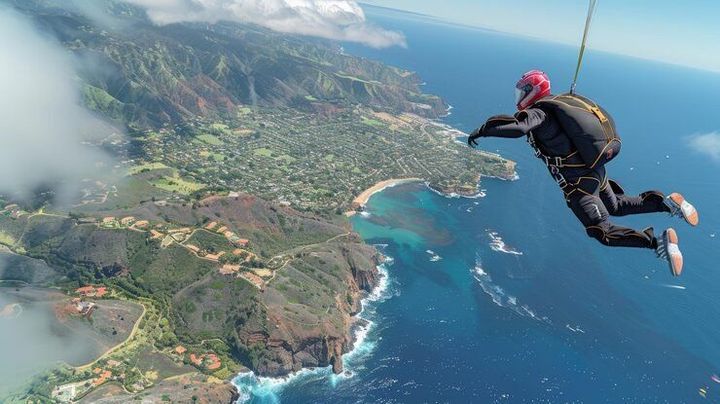
Skydiving Above Islands Information With Training, Equipment, and Safety Guidelines
Skydiving above islands combines aircraft travel, parachute flight, structured training, and aerial views of coastlines, beaches, water, and surrounding landscapes. The activity involves exiting an aircraft at an appropriate altitude, experiencing controlled freefall, deploying a parachute, and guiding the canopy toward a designated landing area.
Island locations add particular environmental considerations because wind, weather, terrain, and landing zones can differ from those at inland facilities.
Modern recreational skydiving developed from military parachute techniques and aviation activities. Over time, equipment became more specialized for recreational use, and training systems were developed to teach body position, parachute control, emergency procedures, and landing techniques.
A first-time participant may experience a tandem jump with an appropriately qualified instructor, while experienced participants can progress toward independent skydiving through structured training. The training pathway depends on the rules of the national aviation authority, the individual skydiving organization, and the operating location.
Skydiving above islands requires more than simply jumping from an aircraft. The complete activity involves aircraft operations, parachute equipment, weather assessment, airspace management, landing-zone planning, instructor qualifications, emergency procedures, and participant preparation.
How Island Skydiving Works
A typical jump begins with preparation on the ground. Participants receive instructions about body position, aircraft procedures, parachute deployment, landing posture, and emergency actions.
After boarding the aircraft, the flight climbs to the planned altitude. The jump sequence is coordinated between the aircraft crew, instructors, and participants so that each person exits according to the established procedure.
During freefall, the participant maintains a controlled body position. After parachute deployment, the descent continues under the canopy. The parachute can be steered using control lines, allowing the jumper or instructor to guide the canopy toward the designated landing area.
Types of Skydiving Experiences
Tandem skydiving is commonly used for first-time participants. The participant is connected to an instructor through a specially designed harness system, and the instructor manages the major operational aspects of the jump.
Student progression programs are intended for people who want to develop independent skydiving skills. These programs generally involve classroom instruction, practical training, supervised jumps, and progressive learning requirements.
Experienced skydivers may participate in activities such as formation flying, canopy practice, or other specialized disciplines. Each discipline has its own training requirements and operational considerations.
Importance
Skydiving above islands requires careful coordination because the activity combines aviation, parachute equipment, human movement, and changing environmental conditions. A structured approach helps participants understand what happens before, during, and after a jump.
The topic also matters to people planning adventure travel. Island destinations can have distinctive landscapes and weather patterns, but the presence of beaches or attractive scenery does not automatically mean that a location is suitable for skydiving.
Who Participates?
Participants can include first-time travelers, experienced skydivers, adventure tourists, and people progressing through formal training programs. Age, physical condition, weight limitations, training level, and other eligibility requirements vary by operator and jurisdiction.
People considering the activity generally need to understand:
Physical participation requirements
Weather-related restrictions
Training procedures
Equipment requirements
Aircraft procedures
Landing-zone arrangements
Emergency procedures
Local aviation rules
These requirements can change depending on the type of jump and the participant's experience level.
Island Environment Considerations
Island skydiving introduces environmental factors that require careful assessment. Wind direction and speed can change around coastlines, hills, cliffs, buildings, and other geographic features.
Landing areas may also be more limited than at large inland drop zones. Water, rocky terrain, dense vegetation, roads, buildings, and restricted areas can affect where parachutists can safely land.
Weather conditions are particularly important. Cloud cover, wind, visibility, rainfall, thunderstorms, and other conditions can affect aircraft operations and parachute flight.
Training and Preparation
Training provides participants with information needed to understand the equipment and procedures. A beginner may learn how to position the body during freefall, communicate with an instructor, respond to parachute deployment, and prepare for landing.
A structured training session may cover:
Ground procedures
Aircraft boarding and exit
Body position
Freefall awareness
Parachute deployment
Canopy steering
Landing technique
Emergency procedures
Equipment inspection
Weather considerations
The amount of training depends on whether the participant is completing a tandem jump, introductory training, or an independent progression program.
Recent Updates
From 2024 through 2026, skydiving operations have continued to incorporate developments in equipment design, digital training resources, aircraft monitoring, weather information, and operational planning. The broader direction has been toward more detailed preparation and better integration of information before and during jumping activities.
Equipment Development
Modern parachute systems use specialized materials and designs intended for predictable deployment and controlled flight. Reserve parachutes remain an important part of the equipment configuration used in many recreational systems.
Automatic activation devices are also widely associated with modern skydiving equipment. These electronic devices monitor altitude and descent conditions and can initiate reserve-parachute deployment under specified circumstances. Their configuration and use depend on equipment requirements and operating rules.
Harness systems, helmets, altimeters, radios, and other equipment may also be used depending on the type of jump.
Digital Training
Training increasingly incorporates videos, digital learning materials, electronic manuals, and simulation-based instruction. These resources can help participants understand procedures before participating in practical training.
Digital tools do not replace practical instruction. Physical training remains important because participants need to understand equipment, body position, canopy control, landing procedures, and emergency actions.
Weather and Operational Monitoring
Weather information has become increasingly accessible through aviation forecasting tools and digital applications. Skydiving operations can use information about wind, visibility, cloud conditions, temperature, and precipitation when determining whether jumping conditions are appropriate.
Island environments can change rapidly, so current local observations may be particularly important. A suitable decision requires assessment by qualified personnel rather than relying only on a general weather application.
Equipment Tracking
Some modern facilities use digital equipment records to track inspection information, maintenance schedules, usage history, and component status. Electronic recordkeeping can help organize the documentation associated with parachute systems and related equipment.
Physical inspection remains essential. Digital records are an organizational tool and do not replace required equipment checks.
Laws or Policies
Skydiving above islands is regulated through aviation, parachuting, airspace, workplace, equipment, and tourism requirements. The specific rules depend on the country and the authority responsible for aviation and parachuting activities.
Aviation and Airspace Rules
Skydiving aircraft operate within controlled or regulated airspace systems. Operators may need appropriate aircraft approvals, pilot qualifications, operational procedures, and coordination with aviation authorities.
Airspace restrictions can affect where and when parachuting activities take place. Airports, military areas, restricted zones, populated areas, and other controlled locations may have specific requirements.
Parachute Equipment Requirements
Parachute systems can be subject to inspection, maintenance, packing, reserve-parachute, and equipment-record requirements. Rules may specify who is qualified to inspect or pack particular parachute components.
Equipment must be maintained according to applicable regulations and manufacturer instructions. Inspection intervals and documentation requirements can differ between jurisdictions.
Participant Requirements
Participants may be required to meet minimum age, physical, weight, training, or documentation requirements. Tandem participants generally receive specific instructions before boarding the aircraft.
Independent student skydivers normally face additional training and progression requirements. These can include supervised jumps, demonstrated skills, equipment knowledge, and progression records.
Weather and Operational Decisions
Skydiving operations are generally dependent on suitable weather and operational conditions. Qualified personnel assess conditions such as wind, visibility, cloud cover, and precipitation before deciding whether jumping can proceed.
A scheduled activity may therefore be delayed or canceled when conditions are unsuitable. Weather decisions are part of normal aviation and parachuting risk management.
Tools and Resources
Several tools can help explain and organize skydiving preparation. Weather applications can provide general information about wind, cloud cover, temperature, rainfall, and visibility, although operational decisions require appropriate local assessment.
Training materials can include equipment manuals, instructional videos, ground-training worksheets, emergency-procedure checklists, and progression records.
Useful resources include:
Aviation weather applications
Wind and visibility information
Training manuals
Equipment inspection records
Parachute packing records
Emergency procedure checklists
Digital altimeter information
Training progression logs
Landing-zone diagrams
Aircraft operation checklists
Equipment maintenance schedules
Airspace information tools
A simplified comparison of common skydiving formats is shown below:
| Skydiving Format | Participant Level | Main Training Focus | Equipment Consideration |
|---|---|---|---|
| Tandem Jump | First-time participant | Basic procedures and landing | Tandem parachute system |
| Student Jump | Developing participant | Independent skills | Student equipment |
| Solo Progression | Trained participant | Canopy and freefall skills | Individual parachute system |
| Formation Flying | Experienced | Group coordination | Specialized planning |
| Canopy Practice | Experienced | Parachute control | Canopy-specific skills |
Digital planning tools can also help organize travel arrangements, weather information, training schedules, and required documentation. These tools should complement rather than replace instructions from qualified personnel.
FAQs
What is skydiving above islands?
Skydiving above islands involves exiting an aircraft at an appropriate altitude and descending by parachute while viewing an island or coastal landscape. The activity combines aviation, freefall, canopy flight, and controlled landing procedures.
What training is required for island skydiving?
First-time participants commonly receive ground instruction before a tandem jump. People pursuing independent skydiving generally require a structured progression that covers freefall, parachute control, landing procedures, equipment, and emergency responses.
What equipment is used for skydiving above islands?
Equipment can include a main parachute, reserve parachute, harness system, automatic activation device, altimeter, helmet, and other items appropriate to the jump format. Exact equipment depends on the participant's training level and applicable requirements.
How does weather affect skydiving above islands?
Wind, visibility, cloud cover, rainfall, thunderstorms, and other conditions can affect aircraft operations and parachute flight. Island geography can also influence local wind patterns, so current conditions need to be assessed before jumping.
Is skydiving above islands regulated?
Yes. Skydiving operations can be affected by aviation rules, airspace restrictions, parachute equipment requirements, participant eligibility rules, aircraft regulations, and local operating procedures. The exact requirements vary by jurisdiction.
Conclusion
Skydiving above islands combines aircraft operations, parachute flight, structured training, specialized equipment, and environmental assessment. Training helps participants understand body position, parachute control, landing procedures, and emergency responses, while modern equipment includes systems designed for controlled deployment and monitoring. Island environments require particular attention to weather, wind, visibility, terrain, airspace, and landing areas. Applicable aviation and parachuting regulations determine operational, equipment, training, and participant requirements.