Explore Metal Forming Machines With Advanced Manufacturing Processes and Equipment Details
Metal forming machines are important parts of modern manufacturing because they shape metal into useful components without removing large amounts of material. Metal forming machines use processes such as bending, pressing, rolling, stamping, forging, and drawing to transform sheets, plates, bars, tubes, and other metal forms into specific shapes.
These systems are used across automotive production, construction equipment, appliances, aerospace components, industrial machinery, electrical equipment, and many other manufacturing fields. Understanding metal forming machines, their operating principles, equipment types, and recent technological developments helps explain how complex metal components are produced with controlled dimensions and repeatable processes.
Context
What Are Metal Forming Machines
Metal forming machines are mechanical or computer-controlled systems designed to change the shape of metal through applied force. Unlike machining processes that remove material, forming processes generally reshape the existing material while maintaining most of its original volume.
The basic principle is based on controlled deformation. A machine applies pressure, force, tension, or a combination of forces to metal until it reaches a required geometry. Depending on the material and process, forming can take place at room temperature or at elevated temperatures.
Metal forming developed alongside metalworking practices that used hammers, dies, presses, and rollers. Modern equipment has introduced hydraulic systems, electrical drives, computer numerical control, sensors, automated material handling, and digital monitoring.
Common Types of Metal Forming Machines
Different machines are designed for particular materials, thicknesses, shapes, and production requirements. Common categories include:
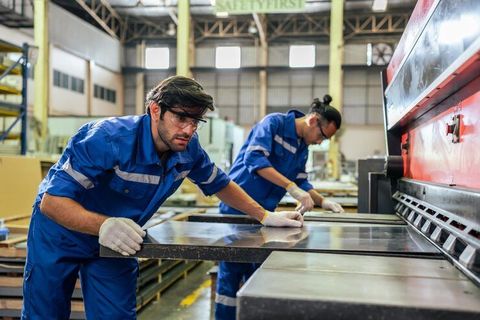
- Press brakes for controlled sheet and plate bending
- Hydraulic presses for compression and forming operations
- Mechanical presses for high-speed stamping applications
- Power presses for repetitive forming processes
- Rolling machines for producing curved or cylindrical shapes
- Forging presses for shaping heated or unheated metal
- Tube forming machines for bending and shaping tubular materials
- Wire forming machines for producing shaped wire components
- Deep drawing machines for forming containers and hollow components
- Roll forming machines for producing continuous profiles
Each machine uses a combination of tooling, force, movement, and material control. Machine selection depends on factors such as metal type, thickness, geometry, production volume, dimensional requirements, and process design.
Main Metal Forming Processes
Metal forming includes several established manufacturing processes. Bending changes the angle or curvature of a workpiece, while stamping uses dies and controlled pressure to create shapes in sheet metal.
Rolling passes metal between rotating rolls to reduce thickness or create a specific profile. Forging applies compressive forces to shape metal, often using dies. Drawing pulls metal through a die to reduce its cross-sectional dimensions or create a particular shape.
Importance
Role in Modern Manufacturing
Metal forming machines support the production of components that appear in many everyday products and industrial systems. Vehicle panels, structural brackets, electrical enclosures, appliance components, pipes, frames, and machine parts can involve one or more forming processes.
The process also allows manufacturers to produce repeated shapes with controlled dimensions. When tooling and machine parameters are properly established, production can follow consistent process conditions across multiple components.
Efficiency and Material Utilization
Metal forming can reduce material removal because the original metal is reshaped rather than extensively cut away. This characteristic can be important when manufacturers need to produce large numbers of components while managing material usage.
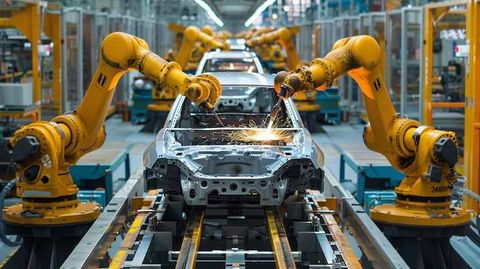
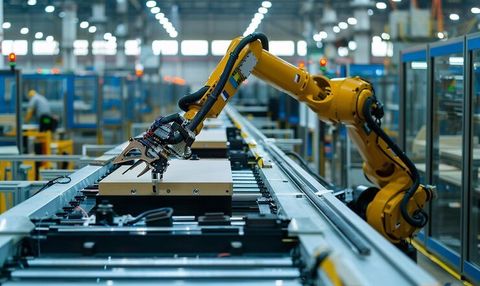
Automation also affects production processes. Automated loading systems, robotic handling, sensors, and programmable controllers can reduce repetitive manual handling and help maintain consistent process sequences.
Precision and Process Control
Modern metal forming equipment can monitor variables such as pressure, position, speed, temperature, and force. Computer-controlled systems can use these measurements to maintain defined operating parameters.
The following table provides a general comparison of major forming processes:
| Process | Typical Material Form | Main Action | Common Applications |
|---|---|---|---|
| Bending | Sheet or plate | Angular deformation | Brackets, panels, frames |
| Stamping | Sheet metal | Die-based pressing | Panels, housings, components |
| Rolling | Sheet, plate, bar | Compression between rolls | Profiles, curved sections |
| Forging | Billet or bar | Compressive deformation | Structural components |
| Deep Drawing | Sheet | Pulling into a die | Containers, housings |
| Wire Forming | Wire | Bending and shaping | Springs, frames, connectors |
| Tube Forming | Tubes | Bending or shaping | Frames, piping components |
Industries Using Metal Forming Machines
Metal forming equipment is found across multiple industrial sectors. Automotive production uses stamping, bending, rolling, and tube forming for structural and exterior components. Construction equipment manufacturing uses forming processes for frames, brackets, panels, and structural parts.
Aerospace production involves controlled forming of selected metals and alloys, while electrical equipment manufacturing uses sheet metal forming for cabinets, enclosures, and structural components. Appliance, furniture, energy, transportation, and general machinery production can also use these technologies.
Recent Updates
Automation and Smart Manufacturing
A major current trend is the integration of metal forming machines with smart manufacturing systems. Modern equipment can connect sensors, programmable controllers, production software, and monitoring platforms to collect operational information.
This approach can help manufacturers observe machine conditions and process variables during production. Data can also support maintenance planning and process analysis when integrated with appropriate industrial software.
Electrification and Energy Management
Manufacturers are increasingly examining the energy consumption of industrial equipment. Electrically driven systems, efficient hydraulic configurations, variable-speed drives, and improved control systems are being incorporated into some modern forming equipment.
Energy monitoring can provide information about machine operation and production patterns. The actual energy performance depends on machine design, material characteristics, operating conditions, and production requirements.
Advanced Press Control
Computer numerical control and programmable automation have become increasingly important in metal forming. Digital controls allow operators to define movement sequences, pressure levels, speeds, and other parameters according to the equipment configuration.
Some systems also integrate sensors that detect force, position, temperature, or vibration. These measurements can help identify process changes and support quality monitoring.
Flexible Manufacturing
Manufacturing environments increasingly require equipment capable of handling different component designs. Quick-change tooling, programmable controls, automated material handling, and modular machine configurations can support production flexibility.
Digital simulation is also used during process planning. Engineers can model forming operations to study material deformation, tooling movement, and potential defects before physical production begins.
Laws or Policies
Workplace Safety Requirements
Metal forming equipment involves significant mechanical forces, moving components, electrical systems, heated materials, and tooling. Workplace safety rules in many countries therefore address machine guarding, emergency controls, operator protection, electrical safety, and equipment maintenance.
Specific requirements vary according to national and regional legislation. Manufacturers and facility operators generally need to identify applicable machinery safety requirements before equipment is placed into operation.
Equipment Standards
Industrial machinery may be designed or assessed according to recognized technical standards covering areas such as machine safety, electrical systems, hydraulic equipment, control systems, and risk assessment.
The exact standards depend on the country, machine category, industry, and intended application. Documentation such as operating instructions, safety procedures, inspection records, and maintenance information may also form part of responsible equipment management.
Environmental Considerations
Environmental policies can affect industrial manufacturing through requirements related to energy consumption, emissions, waste management, noise, and industrial materials. Metal forming itself generally focuses on mechanical deformation, but associated processes may involve lubricants, cleaning systems, heating equipment, and other environmental considerations.
Tools and Resources
Machine Selection Tools
Manufacturing engineers can use equipment specifications, forming-force calculations, material data sheets, tooling references, and machine capacity tables when evaluating forming processes. These resources help relate material thickness, dimensions, mechanical properties, and forming requirements to equipment capabilities.
Simulation Software
Metal forming simulation platforms can model deformation, material flow, stress conditions, springback, and potential forming problems. Such software can help engineers examine process designs before physical tooling is produced.
Measurement Equipment
Dimensional inspection tools are important for checking formed components. Common equipment includes:
- Coordinate measuring machines
- Digital calipers
- Micrometers
- Height gauges
- Force measurement systems
- Laser measurement equipment
- Surface inspection instruments
The appropriate measurement method depends on component geometry and required dimensional tolerance.
Maintenance and Monitoring Resources
Machine manuals, maintenance schedules, lubrication records, inspection templates, sensor dashboards, and equipment history systems can support organized machine management. Condition monitoring systems may also track vibration, temperature, pressure, or other operating characteristics.
FAQs
What are metal forming machines used for?
Metal forming machines are used to reshape metal through processes such as bending, pressing, rolling, forging, drawing, and stamping. They are used to produce components for transportation, construction, appliances, electrical equipment, and industrial machinery.
What is the difference between a hydraulic press and a mechanical press?
A hydraulic press generates forming force through a hydraulic system, while a mechanical press generally uses mechanical components such as a flywheel, crank, or eccentric mechanism. Their operating characteristics make them suitable for different forming applications.
How do metal forming machines improve manufacturing processes?
Metal forming machines can provide controlled force, repeatable movement, programmable operation, and consistent tooling conditions. Modern systems can also integrate sensors and digital controls for process monitoring.
What materials can metal forming machines process?
Many forming machines can process materials such as carbon steel, stainless steel, aluminum alloys, copper alloys, and other engineering metals. The suitable material depends on its mechanical properties, thickness, forming temperature, tooling, and machine capacity.
What is CNC metal forming?
CNC metal forming uses computer-controlled machine movement to manage forming operations according to programmed parameters. Depending on the equipment, CNC control can manage position, speed, sequence, pressure, or other machine functions.
Conclusion
Metal forming machines reshape metal through processes including bending, stamping, rolling, forging, drawing, and pressing. Modern equipment combines mechanical systems with digital controls, sensors, automation, and process monitoring. Current manufacturing trends emphasize flexible production, energy management, data collection, and improved process control. Safety requirements, technical standards, material characteristics, tooling, and machine capacity all influence how metal forming equipment is applied.