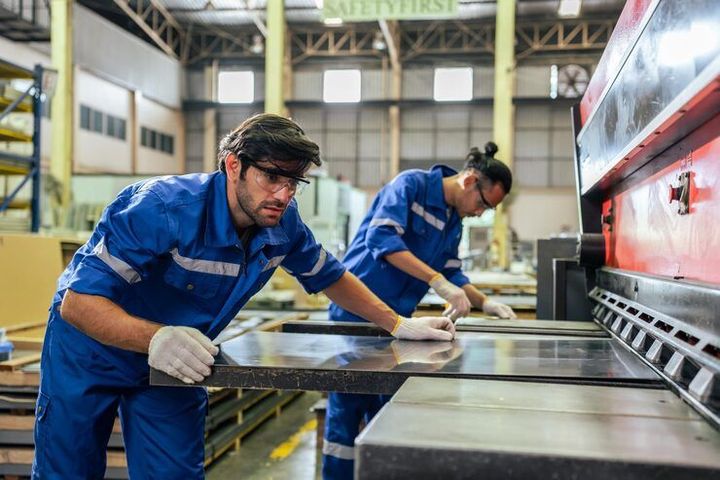
Custom Sheet Metal Stamping Overview With Forming Techniques and Engineering Information
Custom sheet metal stamping is a manufacturing process used to shape flat metal sheets into precise components through controlled pressure. The process can create bends, holes, embossments, flanges, and three-dimensional forms from materials such as steel, stainless steel, aluminum, copper, and selected metal alloys.
It is widely associated with industrial production because stamping can produce repeatable shapes while maintaining consistent dimensions.
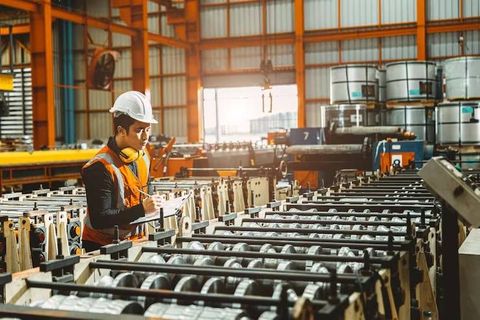
The basic process begins with a sheet or coil of metal placed into a stamping tool. A press then applies force through a punch and die, causing the material to change shape. Depending on the component, several operations may be performed in sequence, including blanking, piercing, bending, drawing, forming, and embossing.
Custom sheet metal stamping exists because different products require different component shapes and dimensional requirements. Instead of using one universal geometry, engineers can develop tooling around a specific component design. This approach is relevant to automotive components, electrical enclosures, appliances, industrial machinery, construction equipment, electronics, and many other manufactured products.
How Sheet Metal Stamping Works
A typical stamping system contains several important elements. The press provides the required force, while the die supports the sheet and determines the final geometry. The punch moves against the material and pushes it into or through the die.
The sequence depends on the design. A simple component may require one operation, while a more complex component can pass through several forming stages. Material thickness, alloy characteristics, bend radius, grain direction, and required dimensions all influence how the forming sequence is designed.
Common Stamping Operations
Custom sheet metal stamping can incorporate several techniques:
- Blanking separates a component outline from a larger sheet.
- Piercing creates holes or openings.
- Bending changes the angle of a section without removing material.
- Drawing pulls sheet material into a deeper shape.
- Embossing creates raised or recessed patterns.
- Flanging forms an edge or lip around part of a component.
- Coining applies substantial pressure to create detailed features.
The selected operation depends on the geometry and functional requirements of the component.
Importance
Custom sheet metal stamping matters because metal components often need controlled dimensions, repeatable geometry, and compatibility with larger assemblies. A small variation in a hole, flange, or bend can affect how several components fit together. Engineering teams therefore consider material behavior and tooling accuracy during the design stage.
The process also addresses the need to create components with different shapes while maintaining a controlled production sequence. For general users, this technology can be found indirectly in products such as household equipment, vehicles, electrical cabinets, lighting systems, computers, and industrial devices.
Industries Using Stamped Components
Many industries use stamped sheet metal components because their products contain structural, protective, or functional metal parts. Examples include:
| Industry | Typical Stamped Components | Common Function |
|---|---|---|
| Automotive | Brackets, panels, supports | Structural and assembly functions |
| Electronics | Shields, frames, housings | Protection and mounting |
| Appliances | Panels, brackets, internal parts | Structural support |
| Construction | Connectors, brackets, fittings | Assembly and reinforcement |
| Industrial Machinery | Guards, mounts, covers | Equipment structure |
| Electrical | Enclosures, terminals, brackets | Protection and connection |
| Consumer Products | Frames, clips, panels | Product structure |
Engineering Factors
Material selection is one of the most important considerations in custom sheet metal stamping. Steel provides strength and stiffness, aluminum can provide lower weight, stainless steel can provide corrosion resistance, and copper-based materials can support electrical applications.
Sheet thickness also affects forming behavior. Thin material can require careful handling because excessive force or unsuitable tooling may cause tearing, distortion, or unwanted deformation. Thicker material generally requires greater forming force and appropriate equipment capacity.
Designers also consider bend radius, hole location, edge distance, tolerances, and material grain direction. These factors can influence whether a component can be formed in one stage or requires multiple operations.
Tooling and Die Design
Stamping dies determine much of the component geometry. A die may be designed for a single operation or integrated into a progressive sequence where the material moves through multiple stations.
Tool design considers clearance between punch and die, material thickness, forming direction, part retention, and removal from the tooling. Poorly controlled clearances can influence edge quality and dimensional consistency.
Computer-aided design and engineering analysis are commonly used to evaluate tooling concepts before physical production begins. Digital modeling can help identify interference, excessive deformation, and difficult forming areas.
Recent Updates
Recent developments in custom sheet metal stamping have focused on automation, digital engineering, material efficiency, and process monitoring. Modern production environments increasingly combine stamping equipment with sensors, automated material handling, robotic transfer systems, and computer-based monitoring.
Automation and Digital Production
Automated coil feeding and robotic part handling can reduce manual movement between production stages. Sensors can monitor variables such as press position, force, vibration, and equipment conditions. This information can help production teams identify unusual process behavior.
Digital simulation is another important development. Engineers can model forming operations before physical tooling is completed. Simulation can reveal potential thinning, wrinkling, springback, or excessive deformation and allow the design to be adjusted earlier in the development process.
Advanced Materials
Manufacturers are also working with a wider range of high-strength and lightweight materials. These materials can provide specific combinations of strength, weight, durability, and corrosion resistance, but they may require different forming approaches.
Springback remains an important engineering issue with many sheet materials. After pressure is removed, the metal can partially return toward its original shape. Tool geometry, material characteristics, forming direction, and process parameters can be adjusted to account for this behavior.
More Integrated Quality Monitoring
Automated inspection technologies are becoming increasingly connected with production systems. Cameras, dimensional sensors, force monitoring, and digital records can support consistent process evaluation. These systems are particularly useful when components contain numerous holes, bends, or other features that need inspection.
Laws or Policies
Sheet metal stamping is influenced by workplace safety rules, machinery requirements, environmental controls, material standards, and product-specific regulations. Exact requirements differ between countries and industries, so manufacturers generally need to follow the rules applicable to their operating location and product category.
Workplace and Machine Safety
Press machinery can involve significant mechanical forces and moving components. Safety frameworks commonly address guarding, emergency controls, operator access, maintenance procedures, and equipment inspection.
Lockout and energy-isolation procedures can also be relevant when machinery requires maintenance or adjustment. Training and documented procedures are generally important parts of safe industrial operations.
Material and Product Requirements
Some industries require specific material grades, dimensional standards, testing procedures, or documentation. Electrical, automotive, aerospace, construction, and medical equipment applications may each have different technical requirements.
Environmental rules can also influence metalworking operations. Depending on the production process, requirements may cover waste handling, lubricants, emissions, recycling, and the management of industrial materials.
Tools and Resources
Several tools help engineers, designers, and production teams understand and manage custom sheet metal stamping projects.
Design and Engineering Software
CAD platforms can be used to create sheet metal models, flat patterns, bends, holes, and assemblies. Forming simulation software can provide additional analysis of deformation, material behavior, and springback.
Engineering reference tables can help users review material properties, sheet thicknesses, bend allowances, and standard dimensions. These references are useful during early design work and component specification.
Production and Inspection Tools
Common production resources include:
- Press force monitoring systems
- Digital calipers and micrometers
- Coordinate measuring equipment
- Optical inspection systems
- Sheet thickness gauges
- Die maintenance records
- Material specification sheets
- Production control templates
Manufacturing planning platforms can also track tooling information, production parameters, inspection results, and equipment maintenance records. Keeping these records organized can help engineers compare production results with the intended component specifications.
FAQs
What is custom sheet metal stamping?
Custom sheet metal stamping is a forming process in which a press and tooling shape sheet metal into a specified geometry. Operations can include blanking, piercing, bending, drawing, embossing, and flanging.
What materials are used in custom sheet metal stamping?
Common materials include carbon steel, stainless steel, aluminum, copper, and various engineered alloys. Material selection depends on strength, thickness, corrosion resistance, electrical characteristics, weight, and forming behavior.
What are the main sheet metal forming techniques?
Common sheet metal forming techniques include bending, deep drawing, embossing, flanging, coining, and progressive forming. The appropriate technique depends on the component geometry and material characteristics.
How does sheet thickness affect stamping?
Sheet thickness influences forming force, bend behavior, dimensional stability, and tooling requirements. Changes in thickness can also affect how the material responds to drawing, bending, and other forming operations.
Why is die design important in sheet metal stamping?
Die design controls how the material is supported, shaped, cut, and released. Proper clearance, geometry, alignment, and forming sequence can influence dimensional accuracy and surface quality.
Conclusion
Custom sheet metal stamping is a versatile manufacturing process used to create shaped metal components for numerous industries. Its main techniques include blanking, piercing, bending, drawing, embossing, and flanging, with material and tooling selection playing important engineering roles. Recent developments have increased the use of automation, digital simulation, sensors, and inspection technologies within stamping environments. Safety requirements, material standards, environmental rules, and product specifications also influence how stamping operations are designed and managed.