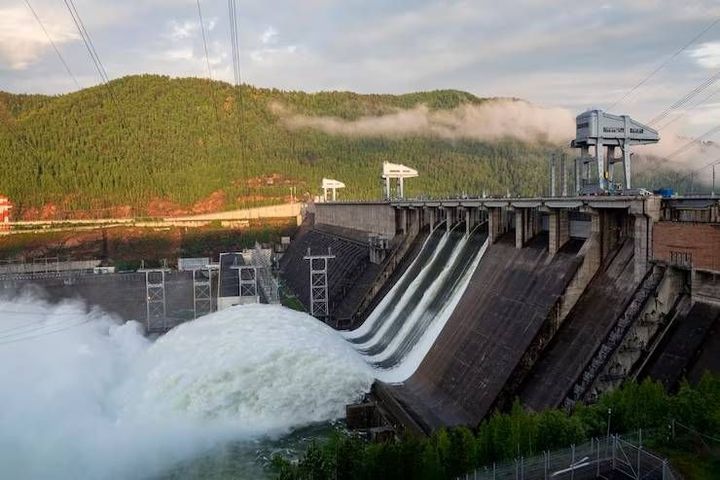
Explore Hydraulic Power Development With Hydropower Technology and Project Details
Hydraulic power development involves using the energy of moving or falling water to generate electricity and support different industrial activities.
Hydropower technology converts the natural movement of water into mechanical energy, which can then be transformed into electrical energy through turbines and generators. This process connects water resource management, engineering, electricity generation, and infrastructure development.
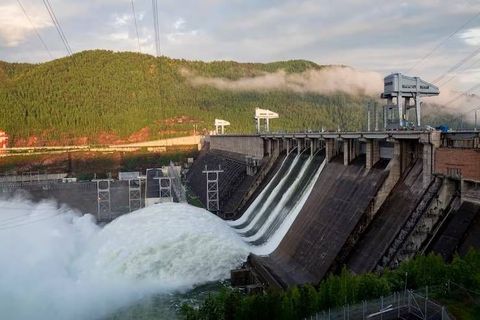
Hydropower has a long history, beginning with water wheels used for milling grain and operating machinery. As electrical technology developed, engineers adapted water-driven systems to generate electricity for homes, factories, transportation networks, and public infrastructure. Modern hydraulic power development includes large dams, small hydropower plants, run-of-river systems, and pumped-storage facilities.
The basic principle is relatively simple. Water flows through a controlled passage and rotates a turbine. The turbine turns a generator, which produces electricity that can be transferred to an electrical grid or used within a local power system.
Several elements determine how a hydropower project operates:
Water availability, which determines the volume of water available for energy production.
Hydraulic head, which refers to the vertical difference between the water source and the turbine.
Turbine design, which affects how efficiently water energy becomes mechanical energy.
Generator capacity, which determines the electrical output the equipment can produce.
Supporting infrastructure, including dams, waterways, electrical equipment, and control systems.
Hydraulic power development is not limited to electricity generation. Related hydraulic technologies also support irrigation systems, water distribution, industrial equipment, and flood management. However, hydropower projects specifically focus on converting water energy into electricity.
Importance
Hydropower technology plays an important role in modern energy systems because electricity demand continues to grow across residential, industrial, and commercial sectors. Water-based generation can contribute to electricity supply while reducing dependence on fossil fuels when compared with conventional coal- or gas-fired generation.
Electricity generation and grid stability
Hydropower plants can produce electricity when sufficient water is available. Some facilities can adjust their output relatively quickly, helping electricity networks respond to changes in demand and fluctuations in wind and solar generation.
Pumped-storage hydropower provides another function. It uses electricity to pump water into an upper reservoir and releases that water through turbines when additional electricity is required. This process stores energy rather than creating it, and some energy is lost during the storage cycle.
Environmental and community considerations
Hydropower projects can produce electricity with relatively low operational greenhouse gas emissions. However, their overall environmental effects depend on the location, construction methods, reservoir conditions, and surrounding ecosystem.
Large dams may change river flow, affect fish migration, alter sediment movement, and require the relocation of communities. Reservoirs can also release methane when organic material decomposes underwater, particularly in certain warm climates.
Responsible hydraulic power development therefore requires environmental assessments, community consultation, and long-term water management.
Industrial and infrastructure applications
Hydropower supports industries that require dependable electricity, including manufacturing, mineral processing, and water treatment. It can also contribute to rural electrification where grid connections are limited.
Small hydropower installations may be appropriate for communities with suitable rivers or existing water infrastructure. Their feasibility depends on seasonal water availability, local demand, ecological conditions, and the engineering requirements of the site.
Recent Updates
Recent developments in hydropower technology focus on improving equipment efficiency, modernizing existing facilities, integrating renewable electricity sources, and strengthening the resilience of water infrastructure.
Modern turbine technology
Turbine manufacturers and engineering teams continue to improve blade geometry, hydraulic flow management, and generator performance. Modern designs aim to reduce energy losses, improve operating flexibility, and limit damage caused by cavitation, which occurs when changes in water pressure create vapor bubbles that collapse near equipment surfaces.
Digital monitoring systems also help operators identify vibration, temperature changes, and mechanical wear. These measurements support maintenance planning and help reduce unexpected equipment interruptions.
Digital monitoring and automation
Hydropower facilities increasingly use sensors, automated control systems, and data analysis to monitor water levels, turbine conditions, generator output, and equipment performance.
Digital models of physical facilities, sometimes called digital twins, can help engineers assess operating conditions and test possible adjustments. Their usefulness depends on the accuracy of the underlying data and the quality of the engineering models.
Remote monitoring can also help operators supervise facilities located in mountainous or difficult-to-access areas.
Energy storage and renewable integration
Pumped-storage hydropower remains an important technology for balancing electricity supply and demand. Interest in energy storage has grown as electricity systems incorporate more variable renewable generation.
Existing hydropower facilities may also undergo upgrades to improve turbine efficiency, control systems, and operational flexibility. Modernization can extend the useful life of infrastructure, although each project requires engineering inspections and an assessment of the condition of existing structures.
Current development priorities
Hydraulic power development increasingly considers climate resilience, sediment management, river ecology, and changing rainfall patterns. Water availability may become less predictable in some regions because of droughts, shifting precipitation, and changing seasonal snowmelt.
Project planners therefore evaluate long-term hydrological records and possible future conditions instead of relying only on historical water flows.
Laws or Policies
Hydropower development is shaped by national energy policies, environmental requirements, water management rules, land-use planning, and construction safety standards. The specific requirements depend on the country, the size of the project, and whether the facility includes a dam or reservoir.
Environmental approvals
Many jurisdictions require environmental impact assessments for hydropower projects that could significantly affect rivers, forests, wildlife, or nearby communities. These assessments examine potential impacts and identify measures to avoid, reduce, or manage them.
Typical considerations include:
Changes in river flow and downstream water availability.
Effects on aquatic habitats and fish migration.
Sediment accumulation and water quality.
Land use, community displacement, and cultural heritage.
Construction impacts and reservoir-related risks.
Approval processes may also require public consultation and continuing environmental monitoring.
Water rights and dam safety
Hydropower facilities generally need authorization to use water resources and construct relevant infrastructure. Depending on local rules, permits may establish water allocation limits, minimum downstream flows, monitoring duties, and operating conditions.
Dam safety requirements may cover structural inspections, emergency planning, flood management, maintenance records, and risk assessments. Facilities may also need to coordinate with other water users, including farmers, municipal water systems, and flood control authorities.
Renewable energy policies
Government programs can influence project development through renewable energy targets, electricity market rules, grid connection procedures, and infrastructure planning.
For example, policies may support the modernization of existing hydropower plants or the development of pumped-storage facilities. However, eligibility and approval requirements vary between jurisdictions, and renewable energy classification does not automatically remove environmental or construction obligations.
Tools and Resources
Hydraulic power development uses engineering software, hydrological information, performance calculators, and project planning tools. These resources help engineers and planners evaluate whether a proposed facility is technically suitable and environmentally responsible.
Hydropower calculation tools
A basic hydropower calculation estimates the electrical output available from water flow and hydraulic head.
The theoretical relationship is:
Where:
\(P\) = electrical power output in watts.
\(\rho\) = water density, approximately 1,000 kilograms per cubic metre.
\(g\) = gravitational acceleration, approximately 9.81 metres per second squared.
\(Q\) = water flow rate in cubic metres per second.
\(H\) = effective hydraulic head in metres.
\(\eta\) = combined turbine and generator efficiency.
For example, a facility with a flow rate of 5 cubic metres per second, an effective head of 20 metres, and an overall efficiency of 85% would have an estimated output of approximately 834 kilowatts.
This is an engineering estimate, not a prediction of annual electricity generation. Actual output changes with water availability, equipment performance, operating restrictions, and hydraulic losses.
Project planning resources
Several categories of tools support hydropower planning:
Hydrological databases: Provide river flow records, rainfall information, and seasonal water availability.
Geographic information systems: Help examine terrain, catchment boundaries, land use, and potential infrastructure locations.
Hydraulic modelling software: Evaluates water movement, pressure conditions, channels, and conveyance systems.
Energy modelling tools: Estimate electricity generation and assess how hydropower may interact with other energy sources.
Environmental assessment frameworks: Help identify potential effects on ecosystems and surrounding communities.
Project management templates: Organize project milestones, construction activities, responsibilities, technical reviews, and risk registers.
Engineers generally combine these resources with field measurements, geotechnical investigations, equipment specifications, and regulatory assessments before making development decisions.
Example of hydropower output
The following table illustrates how water flow and hydraulic head influence estimated electrical output when overall system efficiency is assumed to be 85%.
Water flow | Effective head | Estimated output |
|---|---|---|
1 m³/s | 10 m | 83 kW |
2 m³/s | 20 m | 334 kW |
5 m³/s | 20 m | 834 kW |
10 m³/s | 30 m | 2,502 kW |
These figures are illustrative calculations. They assume that the specified flow and effective head are available during operation and exclude additional limitations that may affect real-world production.
FAQs
1. What is hydraulic power development?
Hydraulic power development is the planning, construction, and modernization of systems that use water energy for electricity generation or other mechanical applications. Hydropower projects typically use turbines and generators to convert water movement into electrical energy.
2. How does hydropower technology generate electricity?
Water flows through a turbine, causing its blades to rotate. The turbine drives a generator, which converts mechanical energy into electricity. The electrical output depends on water flow, hydraulic head, equipment efficiency, and operating conditions.
3. What factors affect hydropower project development?
Important factors include water availability, terrain, hydraulic head, geological conditions, turbine selection, grid access, environmental impacts, and regulatory approvals. Seasonal river changes and long-term climate conditions can also influence project performance.
4. What are the main types of hydropower projects?
The main types include reservoir-based hydropower, run-of-river installations, small hydropower plants, and pumped-storage facilities. Reservoir projects store water, run-of-river systems rely more directly on river flow, and pumped-storage facilities move water between reservoirs to store and release energy.
5. What is the role of hydraulic power development in renewable energy?
Hydraulic power development contributes to renewable electricity generation and can help balance electricity networks. Reservoir and pumped-storage facilities may provide operational flexibility, although their environmental effects and actual energy contribution depend on local conditions and project design.
Conclusion
Hydraulic power development combines water resource management, engineering, and electrical generation to convert moving water into useful energy. Hydropower technology continues to evolve through turbine improvements, digital monitoring, infrastructure modernization, and energy storage applications. Successful projects require careful evaluation of water availability, technical feasibility, environmental effects, community needs, and applicable regulations. These factors determine how effectively a hydropower facility can contribute to a reliable and environmentally responsible energy system.

You May Also Like