Explore Air Pollution Control Systems With Modern Industrial Filtration and Air Treatment Technologies
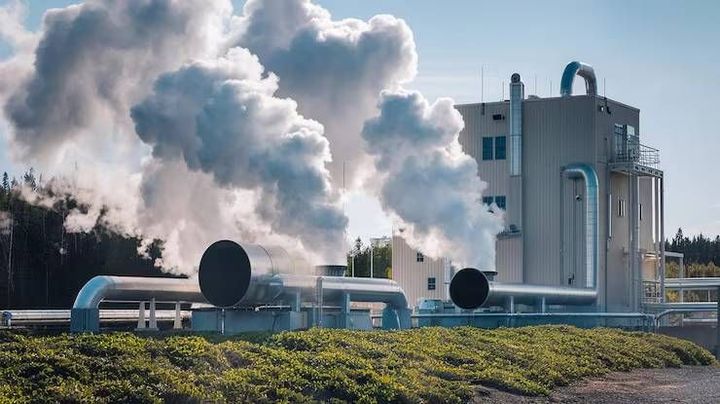
Air pollution control systems are technologies designed to remove, reduce, or manage harmful particles and gases released into the atmosphere. These systems are widely used in manufacturing facilities, chemical processing plants, power generation units, metalworking operations, and other industrial environments where production activities can affect air quality.
Industrial air pollution can originate from burning fuels, processing raw materials, heating metals, handling powders, and using chemical substances. These activities may release dust, smoke, fumes, volatile organic compounds, and other airborne contaminants. Modern industrial filtration and air treatment technologies help manage these emissions before they spread into surrounding environments.
Air pollution control systems combine different equipment and processes to address specific pollutants. Their design depends on the type of contaminant, its concentration, the temperature of the exhaust stream, and the volume of air requiring treatment. A system designed for large dust particles may not effectively capture chemical vapors without additional treatment stages.
Main Components of Industrial Air Pollution Control Systems
Industrial air treatment generally involves collecting contaminated air, separating pollutants, and releasing treated air through a controlled exhaust point. Fans, ducts, filters, separators, and monitoring instruments work together to support this process.
Common components include:
Dust collectors that capture airborne solid particles.
Industrial air filters that separate particles from moving air.
Scrubbers that use liquids to capture selected gases or particles.
Activated carbon units that adsorb certain gaseous contaminants.
Electrostatic precipitators that remove particles using electrical charges.
Monitoring equipment that measures operating conditions and emission levels.
Some facilities use a single treatment method, while others combine multiple technologies. The selection depends on the pollutants involved and the required level of emission control.
Common Industrial Pollution Sources
Different industrial activities create different pollution challenges. Cement production and material handling can generate mineral dust, while metal processing may release fine particles and welding fumes. Chemical manufacturing can produce gaseous emissions and solvent vapors, depending on the materials and processes involved.
Food processing, pharmaceutical manufacturing, and packaging operations may also require specialized dust collection or ventilation arrangements. Understanding the source of pollution is an essential step in selecting suitable industrial filtration equipment.
Importance
Air pollution control systems matter because airborne contaminants can affect workers, nearby communities, buildings, vegetation, and the wider environment. Fine particles may enter the respiratory system, while certain gases can irritate the eyes and airways. Some industrial pollutants can also contribute to smog, unpleasant odors, or environmental damage.
Effective emission management helps industries control these risks and maintain more consistent operating conditions. It also supports workplace air quality management, environmental reporting, and compliance with applicable emission requirements.
Benefits for Workers and Surrounding Communities
Industrial facilities may produce airborne contaminants during routine production, equipment cleaning, material transfer, and maintenance. Without appropriate controls, these substances can accumulate indoors or escape through exhaust outlets.
Air pollution control equipment can help reduce exposure by capturing pollutants near their source. Local exhaust ventilation, enclosed collection points, and suitable filtration systems are particularly relevant where dust or fumes are generated close to workers.
Operational and Environmental Considerations
Air treatment systems can also help reduce dust accumulation on machinery, electrical components, and production surfaces. Cleaner operating environments may simplify housekeeping and help limit contamination between manufacturing stages.
However, filtration alone does not eliminate every environmental risk. Systems require suitable design, regular inspection, proper handling of collected waste, and monitoring to determine whether they are operating as intended.
Comparison of Common Air Pollution Control Technologies
Technology | Main application | Operating principle |
|---|---|---|
Baghouse dust collector | Industrial dust and powder | Air passes through fabric filters that retain particles |
Cartridge filtration | Fine dust and process particles | Pleated filter media captures airborne solids |
Wet scrubber | Selected gases and particles | Liquid contact transfers or captures contaminants |
Electrostatic precipitator | Fine particulate matter | Electrical charges help separate particles from gas |
Activated carbon adsorption | Certain vapors and odors | Pollutants attach to the carbon surface |
Thermal oxidizer | Suitable combustible gaseous pollutants | Controlled oxidation converts selected compounds into other substances |
The table provides a general overview. Actual performance depends on equipment design, operating conditions, pollutant characteristics, and maintenance practices.
Recent Updates
Industrial air pollution control is increasingly influenced by improved monitoring, energy management, and more specialized filtration technologies. Current developments focus on understanding emission patterns, improving collection efficiency, and managing equipment performance throughout production cycles.
Smart Monitoring and Automation
Modern industrial facilities increasingly use sensors, automated controls, and digital monitoring platforms to track airflow, pressure differences, temperature, and other operating conditions. These measurements can help operators identify clogged filters, changing process loads, or equipment problems.
Some systems use automated controls to adjust fan operation or cleaning cycles according to demand. Such adjustments may help manage electricity consumption while maintaining the required treatment performance. Their effectiveness depends on correct sensor placement, calibration, and system configuration.
Advances in Industrial Filtration
Filter media continue to evolve, with specialized materials designed for particular particle sizes, temperatures, moisture levels, and chemical conditions. Pleated cartridge filters can provide substantial filtration area within compact equipment, while selected membrane-based media can support the capture of fine particles.
Not every filter material suits every industrial application. Humidity, abrasive dust, chemical exposure, and operating temperature must be considered before selecting filtration equipment.
Integrated Air Treatment Technologies
Some industrial plants combine several pollution control stages rather than relying on one device. For example, particulate removal may occur before a gas-treatment stage to reduce the contaminant load entering downstream equipment.
Integrated systems can also combine source capture, ventilation, filtration, and continuous emission monitoring. This approach supports a more complete understanding of how pollutants move through a facility and how effectively they are controlled.
Laws or Policies
Air pollution control systems are shaped by environmental laws, industrial emission limits, workplace safety requirements, and permitting conditions. The applicable rules depend on the country, industrial sector, facility size, production process, and pollutants released.
In India, the Air (Prevention and Control of Pollution) Act, 1981, provides a major legal framework for preventing and controlling air pollution. The Central Pollution Control Board and State Pollution Control Boards have important roles in implementing relevant environmental requirements.
Industrial facilities may need consent or authorization from the appropriate pollution control authority, depending on their operations and applicable rules. Specific emission limits and monitoring obligations can vary by industry and location.
Environmental Monitoring and Compliance
Regulatory compliance can involve measuring particulate matter, gaseous pollutants, and other emissions identified in a facility's permit or applicable standards. Certain industries may also be subject to continuous emission monitoring requirements.
A typical compliance process may include:
Identifying pollutants generated by production activities.
Selecting suitable pollution control equipment.
Measuring emissions using approved methods where applicable.
Maintaining inspection records and equipment operating data.
Managing collected dust, sludge, spent filter media, and other residues appropriately.
Air pollution control equipment does not automatically establish compliance. Performance must be assessed against the requirements that apply to the specific facility.
Workplace Air Quality
Environmental emission controls and workplace exposure controls address related but different concerns. A system may reduce emissions from an exhaust outlet without fully controlling worker exposure near a production machine.
Facilities therefore need to consider source extraction, general ventilation, exposure assessment, equipment maintenance, and relevant occupational safety requirements. Applicable national and local rules determine the specific obligations.
Tools and Resources
Industrial air pollution management involves measurement tools, engineering calculations, equipment documentation, and environmental monitoring resources. These help facility operators understand emission sources and evaluate system performance.
Common Measurement and Planning Tools
Particulate matter monitors: Measure airborne particle concentrations within their specified measurement ranges.
Gas analyzers: Measure selected gases in industrial exhaust streams.
Differential pressure gauges: Help indicate changes in pressure across filters and other equipment.
Airflow measurement instruments: Assess the movement of air through ducts, hoods, and treatment systems.
Emission calculation worksheets: Organize production data, pollutant concentrations, airflow, and estimated emission rates.
Maintenance logs: Record filter changes, inspections, equipment faults, and cleaning activities.
Measurements should be interpreted according to the instrument's limitations and the relevant testing method.
Selecting Suitable Filtration Equipment
Choosing industrial air filtration equipment begins with understanding the process rather than comparing equipment names alone. Important factors include particle size, gas composition, air volume, temperature, moisture, and the potential for fire or chemical reactions.
A practical selection review should also examine filter replacement intervals, energy consumption, pressure drop, waste handling, and access for inspection. Equipment intended for combustible dust or hazardous atmospheres may require additional protective design features.
Evaluating System Performance
Operators commonly assess air pollution control systems through emission measurements, airflow readings, pressure trends, maintenance records, and observations of operating conditions. These indicators can help identify declining performance before a major equipment problem develops.
Performance reviews should consider the entire treatment process, including collection hoods, ductwork, filtration equipment, exhaust fans, and discharge points. A highly efficient filter may still perform poorly if contaminated air escapes before reaching it.
FAQs
What are industrial air pollution control systems?
Industrial air pollution control systems are equipment and processes used to capture, filter, or treat contaminants released during manufacturing and other industrial activities. They may address dust, fumes, particles, odors, or selected gaseous pollutants.
Which industrial filtration technologies are commonly used?
Common technologies include baghouse dust collectors, cartridge filters, electrostatic precipitators, wet scrubbers, and activated carbon systems. The appropriate option depends on the pollutant, airflow, operating temperature, and treatment requirements.
How do modern air treatment technologies improve emission control?
Modern air treatment technologies can combine improved filter materials, automated controls, monitoring instruments, and multiple treatment stages. These features help operators assess performance and respond to changing production conditions.
What factors affect industrial air pollution control equipment selection?
Important factors include contaminant type, particle size, airflow volume, gas concentration, temperature, humidity, energy requirements, maintenance access, and applicable emission standards. A complete assessment also considers waste disposal and operational safety.
How can industrial facilities monitor air pollution control performance?
Facilities may use particulate monitors, gas analyzers, pressure gauges, airflow instruments, and continuous emission monitoring systems where required. Regular inspections and maintenance records provide additional information about equipment condition and operating performance.
Conclusion
Air pollution control systems play an important role in managing industrial dust, fumes, particles, and selected gaseous contaminants. Modern industrial filtration and air treatment technologies include fabric filters, cartridge collectors, scrubbers, electrostatic precipitators, and adsorption systems. Equipment selection depends on pollutant characteristics, operating conditions, and applicable environmental requirements. Regular monitoring, maintenance, and appropriate system design are essential parts of effective industrial emission management.

You May Also Like