Explore Budget Capsule Hotels With Practical Travel Planning and Accommodation Tips
Capsule hotels are compact accommodation spaces designed around efficient use of rooms, shared facilities, and practical travel needs. The concept became associated with urban accommodation where travelers needed a private sleeping space without requiring a conventional full-size hotel room.
Today, budget capsule hotels can be found in several major travel destinations and are often considered by solo travelers, students, transit passengers, and people planning short stays.
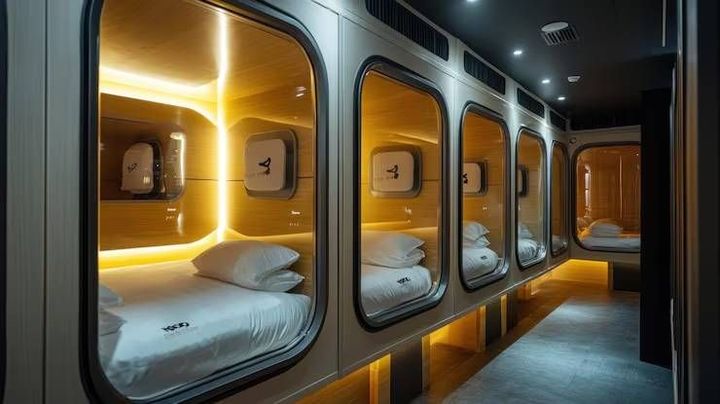
A capsule typically provides a sleeping area enclosed within a small individual compartment. Depending on the property, guests may have access to shared bathrooms, lounges, lockers, kitchens, work areas, or luggage storage. The arrangement combines personal space with shared facilities, making capsule accommodation different from traditional hotels, hostels, and apartments.
For travelers comparing accommodation options, understanding how capsule hotels operate can make trip planning easier. Factors such as location, capsule dimensions, privacy arrangements, luggage policies, check-in procedures, and shared facilities can significantly influence the suitability of a particular property.
Context
Origins and Development of Capsule Hotels
The capsule hotel concept originated in Japan during the late twentieth century as an urban accommodation format designed around limited space and short stays. Early properties focused on providing individual sleeping compartments while placing bathrooms and other facilities in shared areas.
Over time, the concept expanded beyond its original market. Capsule-style accommodation has appeared in airports, transportation hubs, business districts, tourist areas, and major cities. Modern properties can range from very basic sleeping pods to more sophisticated facilities with lighting controls, charging points, privacy screens, storage areas, and shared lounges.
How Capsule Accommodation Works
A capsule hotel usually divides accommodation into individual sleeping units rather than conventional bedrooms. The exact design varies, but many properties include a bed, reading light, power outlet, ventilation, and some form of privacy barrier.
Common facilities can include:
Shared bathrooms and showers
Personal lockers
Luggage storage areas
Shared lounges
Charging stations
Wi-Fi access
Common kitchen areas
Laundry facilities
Quiet or work spaces
Some properties separate sleeping areas by floor, section, or gender. Others use individual rooms or enclosed pods with additional privacy. Travelers should review the accommodation description carefully because facilities and rules differ considerably between properties.
Capsule Hotels Compared With Other Accommodation
Budget capsule hotels occupy a middle ground between conventional hotels and shared hostel arrangements. A capsule generally provides an individual sleeping compartment, while hostels may use rooms containing multiple beds. Traditional hotels usually provide a private room with more floor space and dedicated facilities.
| Accommodation Type | Sleeping Space | Bathroom Arrangement | Privacy | Suitable Stay |
|---|---|---|---|---|
| Capsule hotel | Individual pod | Usually shared | Moderate | Short to medium |
| Hostel dormitory | Shared room | Usually shared | Limited | Short to medium |
| Traditional hotel | Private room | Usually private | High | Short to long |
| Apartment accommodation | Private unit | Usually private | High | Medium to long |
| Airport sleeping pod | Individual pod | Usually shared | Moderate | Very short |
The practical difference is not simply room size. Travelers should also consider noise levels, luggage access, shared areas, opening hours, and rules governing movement within the accommodation.
Importance
Why Budget Capsule Hotels Matter
Urban travelers often spend much of their trip outside their accommodation. A compact sleeping space can therefore be practical for people who prioritize location, basic facilities, and efficient use of accommodation space.
Budget capsule hotels can also be relevant for travelers with late arrivals, early departures, short city visits, or overnight connections. Their compact layout may suit people who need a place to rest rather than a large room with extensive furnishings.
Who Uses Capsule Accommodation
Capsule accommodation can appeal to several groups, including:
Solo travelers looking for individual sleeping space
Students traveling between cities
Business travelers staying for a short period
Transit passengers near transportation hubs
Backpackers planning multi-city trips
Travelers seeking compact accommodation in busy urban areas
Suitability depends on personal preferences. Travelers who need a large amount of personal space, private bathrooms, or quiet conditions may prefer conventional accommodation.
Practical Factors to Consider
Before selecting a capsule hotel, travelers can compare several practical factors. Location is important because accommodation farther from major attractions may require additional transportation planning.
Other considerations include:
Capsule dimensions: Check whether the sleeping compartment provides sufficient space for your height, sleeping position, and personal belongings.
Luggage arrangements: Determine whether large luggage can remain inside the capsule or must be stored separately.
Bathroom facilities: Confirm whether showers and toilets are shared and whether they are located on the same floor.
Privacy: Examine whether the sleeping space has a curtain, sliding panel, door, or another privacy arrangement.
Noise: Shared sleeping areas may have different noise characteristics from private hotel rooms.
Check-in rules: Review arrival procedures, reception hours, identification requirements, and late-arrival policies.
Shared areas: Lounges, kitchens, work areas, and laundry facilities can vary significantly between properties.
Recent Updates
Changing Capsule Hotel Designs
From 2024 through 2026, capsule accommodation has continued to develop in response to changing traveler expectations. Many newer properties emphasize improved privacy, better lighting, convenient charging points, ergonomic sleeping areas, and more organized luggage storage.
Technology has also become more common. Digital check-in systems, electronic lockers, mobile access systems, and automated payment processes may appear in newer properties. However, the exact technology available depends on the accommodation.
Greater Variety in Accommodation Formats
The capsule concept has expanded beyond basic sleeping pods. Some properties combine capsule-style sleeping spaces with lounges, work areas, wellness facilities, communal kitchens, and flexible common spaces.
Airport and transportation-oriented accommodation has also contributed to the wider visibility of compact sleeping arrangements. These facilities can be useful when travelers need accommodation for a limited period between transportation connections.
Focus on Efficient Space
Modern urban development has increased interest in accommodation formats that use limited floor space efficiently. Capsule hotels provide one example of how sleeping areas can be designed around individual needs while placing selected facilities in shared spaces.
This approach can also make room layouts easier to standardize. However, travelers should not assume that all capsule properties follow the same design because dimensions, facilities, and operating rules vary.
Laws or Policies
Accommodation Regulations
Capsule hotels are generally subject to the accommodation rules applicable in the country or region where they operate. These rules can cover building safety, fire protection, sanitation, occupancy limits, emergency exits, accessibility, and registration requirements.
Requirements differ between jurisdictions. A capsule hotel operating in a major city may therefore have different structural or administrative requirements from a similar property elsewhere.
Guest Registration
Many countries require accommodation providers to collect certain guest information. Requirements may involve identification, registration records, immigration documentation for international travelers, or information connected with local accommodation rules.
Travelers should provide accurate information during registration and follow the property's stated procedures. International visitors may encounter additional documentation requirements depending on the destination.
Fire and Emergency Safety
Because capsule hotels contain multiple sleeping units in a relatively compact area, fire safety is particularly important. Properties may have designated emergency exits, alarms, fire detection systems, evacuation routes, and occupancy controls.
Travelers should become familiar with the emergency information provided after arrival. Individual properties remain responsible for complying with applicable safety requirements.
Property Rules
Capsule hotels commonly have internal rules covering noise, food, smoking, luggage storage, shared facilities, check-in periods, and movement between accommodation areas. Some properties may restrict food or beverages within sleeping zones.
Reading these policies before arrival helps travelers understand what is permitted and what facilities are available.
Tools and Resources
Travel Planning Tools
Several digital tools can help organize a capsule hotel stay. Map applications can be used to compare accommodation locations with airports, railway stations, attractions, and public transportation.
Accommodation comparison platforms can help travelers examine room descriptions, facility lists, guest feedback, photographs, cancellation conditions, and location information. Travelers should compare the actual accommodation details rather than relying only on property categories.
Budget Planning
A simple travel planning table can help estimate the overall accommodation requirement without focusing on a single property.
| Planning Factor | Questions to Consider |
|---|---|
| Number of nights | How many nights are required? |
| Location | How close is the accommodation to planned activities? |
| Transportation | What transportation is needed between the accommodation and destinations? |
| Luggage | Where will large bags be stored? |
| Meals | Are meals available nearby or within the property? |
| Facilities | Are showers, lockers, laundry, and charging points available? |
| Privacy | Is the capsule arrangement suitable for personal preferences? |
| Rules | Are there restrictions affecting the planned stay? |
Helpful Travel Resources
Travelers can also use itinerary planners, public transportation maps, currency calculators, weather applications, translation tools, and digital packing lists. These resources can help coordinate accommodation with transportation and daily activities.
Property reviews can provide additional context about noise, cleanliness, capsule size, and shared facilities. However, individual experiences can vary, so reviews are most useful when considered alongside the property's stated information.
FAQs
What are budget capsule hotels?
Budget capsule hotels provide compact individual sleeping spaces within a property that may use shared bathrooms, lounges, lockers, and other facilities. They are commonly designed for travelers who need efficient accommodation.
Are capsule hotels suitable for solo travelers?
Yes, capsule hotels can be suitable for solo travelers because individual sleeping compartments provide a defined personal area while shared facilities support the rest of the stay.
What should I check before choosing a budget capsule hotel?
Review the capsule dimensions, luggage policy, bathroom arrangement, privacy features, location, check-in procedure, noise policies, and available facilities before making a reservation.
Are capsule hotels suitable for families?
Suitability depends on the property. Some capsule hotels are designed primarily for individual travelers and may have separate sleeping areas or age restrictions. Families should examine the accommodation rules and available room arrangements carefully.
How do capsule hotels handle luggage?
Many properties provide lockers or designated luggage areas. The size of these spaces varies, so travelers carrying large suitcases should check the luggage policy before arrival.
Conclusion
Budget capsule hotels provide a compact accommodation format built around individual sleeping spaces and shared facilities. Their development has expanded the concept from its original urban model into various travel environments, including city centers and transportation areas. Practical planning involves examining location, capsule dimensions, luggage arrangements, privacy, shared facilities, and property rules. Understanding these factors helps travelers assess whether capsule accommodation fits the requirements of a particular trip.