Adventure Travel Tours Insights Into Hiking, Trekking, Rafting, and Expedition Ideas
Adventure travel tours are organized journeys that combine exploration with outdoor activities such as hiking, trekking, rafting, climbing, cycling, wildlife observation, camping, and multi-day expeditions.
Unlike sightseeing-focused travel, adventure trips usually involve greater physical activity, changing outdoor conditions, and closer interaction with natural landscapes.
The idea of adventure travel developed from traditional exploration, mountaineering, long-distance walking, river journeys, and outdoor recreation. As international tourism expanded, these activities became part of organized travel programs that could include transportation, accommodation, equipment arrangements, route planning, guides, and safety procedures.
Adventure travel can range from relatively accessible day hikes to demanding multi-day expeditions. The level of physical effort depends on altitude, terrain, weather, distance, duration, and activity type. A hiking route through a forest may involve moderate walking, while a high-altitude trekking expedition can require acclimatization and preparation for changing conditions.
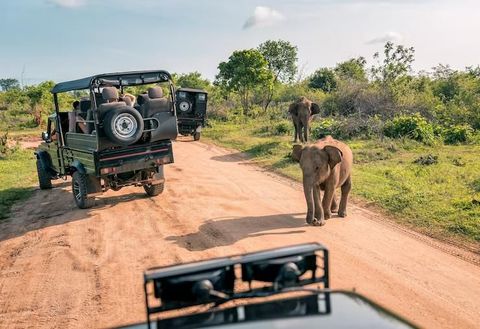
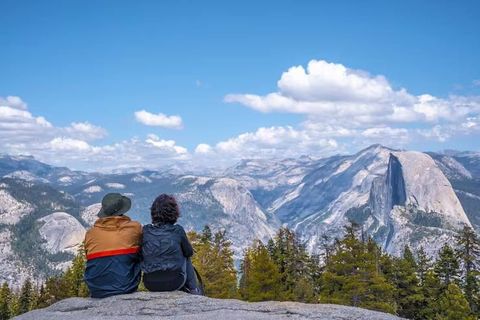
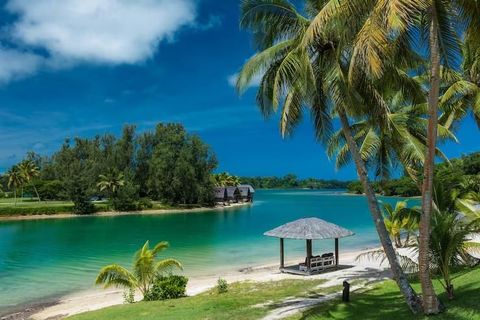
Today, adventure travel tours can be found in mountain regions, forests, deserts, coastal areas, rivers, islands, and protected natural landscapes. The experience often combines physical activity with cultural discovery, environmental awareness, and exploration.
Main Types of Adventure Travel
Adventure travel includes a broad range of activities. Hiking usually involves walking along established or semi-established trails, while trekking generally refers to longer journeys that may involve several days and changing terrain.
Common adventure travel activities include:
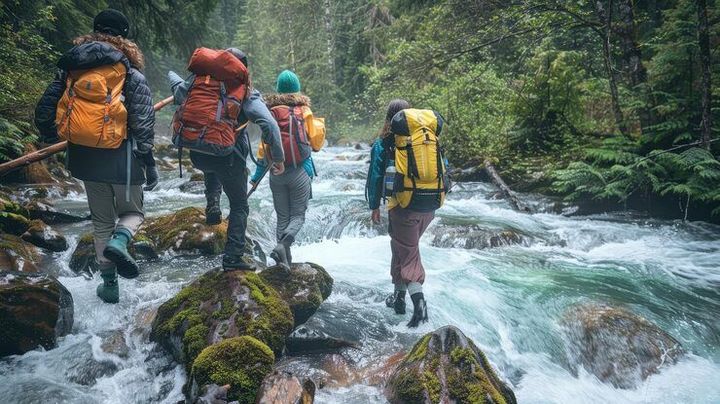
Hiking through forests, mountains, and national parks
Multi-day trekking routes
Whitewater and river rafting
Mountain and rock climbing
Cycling and mountain biking
Kayaking and canoeing
Camping and wilderness travel
Wildlife and nature expeditions
Desert and canyon exploration
Snow and winter activities
Each activity has different equipment, physical requirements, environmental conditions, and safety considerations.
How Adventure Tours Are Structured
An adventure travel tour may include a planned route, activity schedule, transportation arrangements, accommodation, meals, equipment logistics, and local guidance. Some itineraries are highly structured, while others allow more independent exploration.
A typical multi-day itinerary may involve an arrival period, orientation, several activity days, rest periods, and a return journey. More demanding expeditions may include contingency days because weather or environmental conditions can affect the planned schedule.
Importance
Adventure travel tours matter because they provide ways for travelers to experience natural environments through physical activity and exploration. They can also introduce visitors to landscapes and communities that are less accessible through conventional urban tourism.
The sector affects travelers, local communities, guides, transportation providers, accommodation operators, outdoor equipment manufacturers, conservation organizations, and protected-area authorities.
Physical Activity and Outdoor Experience
Hiking and trekking provide opportunities for sustained walking and exposure to natural environments. The physical requirements vary considerably between routes.
Important factors can include:
Distance and elevation gain
Trail surface and terrain
Weather conditions
Temperature and humidity
Altitude
Trip duration
Available water and food
Required equipment
Emergency access
Travelers need to understand the physical demands of an activity rather than judging difficulty only by distance.
Rafting and Water-Based Adventures
Rafting involves traveling along rivers using an inflatable raft or similar craft. Rivers are commonly classified according to their difficulty, flow characteristics, obstacles, and environmental conditions.
Whitewater rafting can involve rapidly changing water conditions, rocks, drops, waves, and currents. Participants generally use protective equipment such as helmets and personal flotation devices and receive activity-specific safety instructions.
Other water-based adventure activities include kayaking, canoeing, canyoning, and coastal paddling. Each activity has its own equipment and environmental considerations.
Cultural and Environmental Connections
Adventure travel frequently takes place near rural communities, protected landscapes, forests, mountains, and culturally significant areas. Local communities may contribute guides, accommodation, food, transportation, crafts, or cultural interpretation.
Responsible travel practices can help reduce unnecessary environmental pressure. Travelers may need to follow trail rules, waste requirements, wildlife-distance guidelines, camp restrictions, and local cultural practices.
Recent Updates
From 2024 through 2026, adventure travel has continued to develop around nature-based experiences, small-group itineraries, digital planning tools, responsible tourism practices, and greater attention to outdoor safety.
Growth of Nature-Based Experiences
Travelers increasingly combine physical activities with nature and cultural experiences. Instead of focusing on one activity throughout an entire trip, itineraries may combine hiking with village visits, wildlife observation, photography, camping, or local food experiences.
This has also contributed to greater variety in adventure travel tours. Some programs focus on accessible outdoor activities, while others are designed around extended trekking or expedition-style journeys.
Digital Trip Planning
Mapping applications, GPS devices, weather platforms, satellite communication equipment, and digital itinerary tools have become increasingly integrated into outdoor travel planning.
GPS technology can help travelers understand route direction, elevation, distance, and location. However, electronic navigation should not automatically be treated as a replacement for physical maps, local knowledge, or emergency planning, particularly in remote areas where connectivity may be limited.
Responsible Adventure Travel
Environmental responsibility has become a more visible part of adventure tourism. Protected areas may use visitor limits, designated trails, camping restrictions, waste-management rules, and wildlife protection measures.
Adventure travel operators and travelers may also consider group size, transportation methods, waste reduction, local accommodation, and community participation when planning outdoor journeys.
Safety Technology
Outdoor communication technology continues to develop. Satellite messengers, emergency communication devices, weather-alert systems, digital route tracking, and wearable navigation equipment can provide additional information during remote activities.
Technology remains dependent on battery power, signal availability, weather conditions, and appropriate use. Basic preparation remains important even when digital equipment is available.
Laws or Policies
Adventure travel is influenced by tourism rules, protected-area regulations, environmental policies, transportation requirements, water-safety rules, and activity-specific standards. Requirements vary substantially between countries and destinations.
Protected Areas and National Parks
Hiking and trekking routes may pass through national parks, forests, wildlife reserves, conservation areas, or other protected landscapes. Authorities can establish rules governing access, camping, fires, waste disposal, wildlife interaction, photography, and group sizes.
Some areas require permits or registration for specific trails or activities. Restrictions can also change according to weather, fire conditions, conservation programs, or environmental concerns.
Water and Adventure Activity Rules
Rafting and other water activities may be subject to local regulations concerning equipment, operator qualifications, river access, participant requirements, and emergency procedures.
River conditions can change quickly because of rainfall, snowmelt, seasonal flow, or upstream water management. Activity organizers may therefore use defined operating limits and weather or river-condition assessments.
Travel and Environmental Requirements
International adventure travelers may need to comply with immigration, transportation, insurance, health, and customs requirements. Certain destinations also have environmental or cultural rules that visitors must follow.
Travelers entering remote or protected areas may need additional permits, registration, or documentation. Requirements should be checked for the specific destination and activity.
Tools and Resources
Adventure travel planning involves several practical tools. Digital maps can help identify trails, elevation changes, distances, roads, rivers, accommodation areas, and access points.
Weather applications can provide forecasts for temperature, precipitation, wind, storms, and other conditions. Route-planning platforms can help organize hiking or trekking itineraries and estimate distances and elevation profiles.
Useful planning resources include:
Digital trail maps
GPS navigation devices
Topographic maps
Weather forecasting platforms
Elevation calculators
Route-planning applications
Packing checklists
Travel insurance information
Emergency contact lists
Outdoor first-aid references
Permit and park information
Satellite communication devices
A simplified comparison of adventure activities is shown below:
| Activity | Typical Environment | Main Planning Consideration |
|---|---|---|
| Hiking | Trails and natural areas | Distance and terrain |
| Trekking | Mountains and remote areas | Duration and elevation |
| Rafting | Rivers | Water conditions and equipment |
| Kayaking | Rivers, lakes, or coastlines | Weather and water conditions |
| Mountain Biking | Trails and mountain roads | Terrain and technical difficulty |
| Climbing | Rock or mountain environments | Equipment and technical skills |
| Camping | Forests, mountains, deserts | Weather and campsite rules |
| Expedition Travel | Remote environments | Logistics and contingency planning |
Physical Preparation
Preparation should reflect the specific activity. Hiking may require endurance and comfortable footwear, while trekking at high altitude can involve additional acclimatization considerations.
Rafting requires water-safety awareness, while climbing involves specialized equipment and technical procedures. Travelers should understand the activity requirements before participating.
Packing and Equipment
Equipment depends on destination, season, duration, and activity. A hiking trip may require suitable footwear, weather-appropriate clothing, navigation equipment, water containers, food, and emergency supplies.
A rafting trip can require a helmet, personal flotation device, appropriate clothing, and equipment supplied or specified by the activity organizer. Expedition travel can require considerably more specialized equipment because of its duration and remoteness.
FAQs
What are adventure travel tours?
Adventure travel tours are organized journeys that include outdoor activities such as hiking, trekking, rafting, climbing, kayaking, cycling, camping, wildlife exploration, or expedition travel.
What is the difference between hiking and trekking?
Hiking generally refers to walking trips that can range from short outings to full-day routes. Trekking usually describes longer journeys, often involving several days, changing terrain, and overnight stays.
What should I consider when planning a rafting adventure?
Important considerations include river difficulty, water conditions, weather, participant experience, protective equipment, emergency procedures, trip duration, and applicable local regulations.
What equipment is needed for adventure travel tours?
Equipment depends on the activity and destination. Hiking may require footwear, navigation equipment, clothing, food, water, and emergency supplies, while rafting and climbing require specialized safety equipment.
Are adventure travel tours suitable for beginners?
Some tours are designed around introductory activities and moderate physical requirements, while others involve advanced terrain or technical skills. The activity description, physical requirements, duration, environmental conditions, and equipment requirements should be reviewed before participation.
Conclusion
Adventure travel tours combine outdoor recreation, exploration, physical activity, and interaction with natural and cultural environments. Hiking, trekking, rafting, climbing, kayaking, cycling, and expedition travel each have different planning and safety considerations. Recent developments include greater use of digital navigation, communication technology, nature-based itineraries, and responsible tourism practices. Regulations for protected areas, water activities, environmental protection, and international travel vary according to the destination and activity.