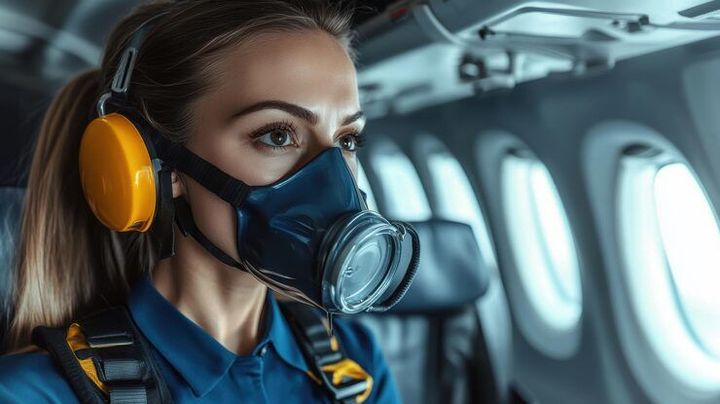
Oxygen Equipped Flights Basics With Oxygen Systems, Policies, and Passenger Information
Oxygen equipped flights are commercial or specialized aircraft operations that include oxygen equipment to support passengers or crew when the amount of oxygen available in the surrounding air becomes insufficient.
At normal cruising altitudes, aircraft cabins are pressurized to maintain an environment suitable for breathing. However, if cabin pressure decreases unexpectedly, the oxygen available to passengers can fall, making onboard oxygen systems an important part of aviation safety.
The need for aircraft oxygen systems comes from the relationship between altitude, air pressure, and human breathing. As altitude increases, atmospheric pressure decreases, reducing the pressure that helps oxygen move from the lungs into the bloodstream. Aircraft manufacturers and aviation operators account for these conditions through cabin pressurization, emergency oxygen equipment, and procedures for managing unexpected pressure changes.
Oxygen equipped flights can refer to aircraft carrying standard emergency oxygen equipment or flights arranged with additional oxygen support for passengers who have specific medical needs. These are different situations, and the equipment, approval process, and operational arrangements may vary.
Understanding aircraft oxygen systems helps passengers prepare for air travel, recognize safety instructions, and communicate special requirements before departure. It also clarifies why airlines may have different procedures for portable oxygen equipment, medical oxygen arrangements, and passengers who need assistance during a flight.
How aircraft oxygen systems work
Commercial aircraft generally use several systems to manage oxygen availability and protect occupants during abnormal conditions. Their exact design depends on the aircraft model and operating requirements.
Cabin pressurization maintains suitable air pressure during normal flight.
Passenger emergency oxygen systems provide temporary breathing support if cabin pressure falls.
Flight crew oxygen equipment helps pilots breathe during emergencies or other situations requiring supplemental oxygen.
Medical oxygen arrangements may be available for eligible passengers, subject to the airline's equipment and operating procedures.
These systems serve different purposes. Emergency oxygen equipment is designed primarily for safety during an abnormal event, whereas medical oxygen arrangements address an individual passenger's specific needs.
Oxygen equipment and passenger needs
Not every flight provides the same medical oxygen arrangements. A standard passenger aircraft may have emergency oxygen masks but may not be equipped to provide continuous therapeutic oxygen for an individual passenger throughout the journey.
Passengers who require supplemental oxygen should distinguish between emergency oxygen masks, airline-approved portable oxygen concentrators, and any oxygen equipment specifically arranged through an operator. Understanding these differences is essential when planning a journey involving a respiratory condition or another medical requirement.
Importance
Oxygen equipped flights matter because aviation safety depends on maintaining suitable breathing conditions for passengers and crew. Although commercial aircraft are designed to operate with pressurized cabins, equipment failures, rapid pressure changes, or other abnormal events can require an immediate response.
For everyday passengers, the subject is particularly relevant when traveling with children, older adults, or individuals who have been advised by a healthcare professional to use supplemental oxygen. The ability to use personal medical equipment during a flight depends on aircraft compatibility, airline policies, battery capacity, and operational approval.
Who may need oxygen-related flight arrangements?
Several groups may need to understand aircraft oxygen policies before traveling.
Passengers with medical oxygen requirements may need an approved portable oxygen concentrator or another arrangement permitted by the airline.
Passengers with respiratory conditions may need to discuss their ability to tolerate cabin altitude with a qualified healthcare professional.
Travelers using mobility or medical equipment should confirm that their devices meet airline safety requirements.
Passengers who experience anxiety about flying may benefit from understanding how cabin pressurization and emergency oxygen equipment work.
Flight crew members require appropriate oxygen equipment and training to respond to pressure-related emergencies.
Common challenges during air travel
One challenge is assuming that the presence of emergency oxygen masks means an airline can provide continuous medical oxygen on request. These systems have different functions, and emergency equipment is not generally intended to replace a passenger's planned medical arrangements.
Another challenge is that personal oxygen devices may have restrictions involving battery capacity, electrical safety, device approval, or onboard use. Connecting flights can introduce additional requirements because different airlines may operate separate segments under different policies.
Advance planning also matters when an itinerary includes long flights, overnight travel, or changes between aircraft types. A passenger may need to confirm equipment requirements for every operating airline rather than relying on information provided for only the first segment.
Recent Updates
Developments in aircraft oxygen systems from 2024 to 2026 are best understood through broader aviation safety trends, passenger accessibility, and equipment management. The underlying principles of cabin pressurization and emergency oxygen remain established parts of aircraft design, while airlines continue to manage passenger medical equipment through operating procedures and equipment-specific requirements.
Changes in passenger equipment arrangements
Portable oxygen concentrators remain an important consideration for passengers who require supplemental oxygen. These devices process surrounding air to concentrate oxygen rather than relying on a conventional cylinder of stored oxygen. However, not every device is approved for use on every airline or aircraft, and approval for onboard use should not be assumed.
Airlines may request advance notification, device information, battery details, or medical documentation depending on their policies and the passenger's circumstances. Requirements can differ between operators, so a device accepted by one airline may require additional verification with another.
Greater emphasis on passenger preparation
Airlines communicate safety information through preflight briefings, passenger safety cards, crew demonstrations, and other onboard instructions. These materials explain how emergency oxygen masks work and what passengers should do if the masks are deployed.
Digital passenger information and online accessibility guidance also make it easier to review medical equipment requirements before departure. Nevertheless, online information may not cover every aircraft configuration or individual medical circumstance, so specific arrangements still require confirmation with the operating airline.
Technology and operational safety
Aircraft manufacturers and operators continue to focus on equipment reliability, maintenance, crew training, and cabin safety procedures. Oxygen equipment forms one part of a wider safety system that also includes pressure monitoring, emergency descent procedures, and communication between flight crew and air traffic control when required.
The practical trend is toward clearer coordination between passenger needs, approved equipment, and airline operating procedures. These developments do not mean that every airline has introduced identical medical oxygen arrangements or that all personal devices are automatically permitted.
Laws or Policies
Oxygen equipped flights are governed by aviation safety regulations, aircraft certification requirements, and airline operating procedures. The applicable rules depend on the country, the airline's operating approvals, the aircraft type, and whether the equipment is intended for emergencies or individual medical use.
International aviation standards provide a framework for safe aircraft operations, but specific requirements are implemented through national aviation authorities and approved operating practices. Consequently, passengers should not assume that one airline's policy applies worldwide.
Aircraft oxygen and emergency requirements
Aircraft certification and operating rules address cabin pressurization, emergency equipment, and the circumstances in which oxygen systems must be available. Requirements vary according to factors such as aircraft category, passenger capacity, and operating altitude.
Flight crews receive training in recognizing pressure-related emergencies and following prescribed procedures. If cabin pressure decreases significantly, the crew may initiate an emergency descent and use the aircraft's oxygen equipment according to the applicable checklist.
Passenger oxygen masks are intended to be used as instructed by the crew. The duration and function of an emergency oxygen supply depend on the aircraft's system design and operating procedures.
Medical oxygen and portable devices
Airlines establish requirements for passengers who need supplemental oxygen or intend to use portable oxygen concentrators. These may include advance notification, confirmation that the device meets applicable safety standards, and sufficient battery power for the planned journey.
Depending on the airline and circumstances, additional documentation or medical clearance may be requested. Passengers should confirm requirements for each flight segment, including any connecting flight operated by a different carrier.
The following table summarizes common distinctions.
Equipment or arrangement | Main purpose | Passenger consideration |
|---|---|---|
Cabin pressurization | Maintains suitable cabin pressure | Operates as part of normal aircraft systems |
Emergency oxygen masks | Temporary breathing support during pressure-related emergencies | Follow crew instructions |
Flight crew oxygen equipment | Supports pilots when supplemental oxygen is required | Managed by trained crew |
Portable oxygen concentrator | Provides supplemental oxygen to an individual | Device approval and battery requirements may apply |
Special medical oxygen arrangement | Addresses an approved passenger need | Advance coordination may be necessary |
Passenger rights and responsibilities
Accessibility rules and airline policies may provide procedures for passengers traveling with disabilities or medical equipment. The details vary across jurisdictions, and medical equipment acceptance does not necessarily mean an airline can provide every form of onboard treatment.
Passengers are generally responsible for communicating relevant equipment requirements in advance and complying with cabin safety instructions. Airlines are responsible for applying the safety rules and operating procedures relevant to their aircraft and routes.
Tools and Resources
Reliable information helps passengers understand oxygen equipped flights and prepare for their individual travel arrangements. The most useful resources are those that explain aircraft safety, identify approved medical equipment, and clarify airline-specific requirements.
Airline medical equipment information
The operating airline's official passenger assistance and medical equipment information is a practical starting point. These materials may explain notification periods, permitted portable oxygen concentrators, battery requirements, documentation, and any restrictions affecting particular routes or aircraft.
For connecting itineraries, passengers should check the requirements of each operating airline. The airline that issued the ticket may not be the operator responsible for the aircraft or its onboard equipment.
Aviation safety information
National aviation authorities publish information about aircraft safety, passenger responsibilities, and approved operating practices. International aviation organizations also provide general educational material about aviation safety and operational standards.
These resources help explain the difference between aircraft emergency oxygen and arrangements for passengers with medical oxygen needs. They can also clarify why requirements differ between aircraft and operators.
Medical and travel planning tools
Several practical tools can help organize a journey involving supplemental oxygen.
Device specification sheets can help passengers verify model numbers, approved configurations, and battery ratings.
Battery runtime calculations can help estimate whether available batteries cover the planned flight and foreseeable delays, subject to airline requirements.
Travel checklists can record airline approvals, connection details, equipment documents, and contact information.
Preflight medical consultations can help passengers discuss their individual needs with a qualified healthcare professional.
These tools support preparation but do not replace airline approval or individualized medical guidance. Passengers should also confirm how their equipment will be carried, stored, and operated in the cabin.
FAQs
What are oxygen equipped flights?
Oxygen equipped flights are flights that carry aircraft oxygen systems for emergency situations or have arrangements for passengers who require supplemental oxygen. The available equipment and permitted uses depend on the aircraft and airline.
Do all commercial flights have emergency oxygen masks?
Commercial aircraft operating under applicable passenger-aircraft safety rules have emergency oxygen provisions appropriate to their certification and operating requirements. Equipment configuration and procedures vary by aircraft type.
Can passengers use a portable oxygen concentrator on a flight?
Some airlines permit approved portable oxygen concentrators that meet their equipment and safety requirements. Passengers should confirm device eligibility, notification procedures, battery requirements, and any documentation needed before departure.
How do airline oxygen systems work during cabin depressurization?
If cabin pressure falls, passenger oxygen masks may deploy automatically or through the applicable aircraft system. Passengers should place their masks over their noses and mouths and follow the crew's instructions while the flight crew responds to the situation.
Is medical oxygen available on every oxygen equipped flight?
No. Emergency oxygen equipment does not necessarily provide continuous medical oxygen for individual passengers. Availability depends on the airline's arrangements, aircraft equipment, applicable rules, and advance coordination.
Conclusion
Oxygen equipped flights use aircraft safety systems to support breathing during emergencies and may accommodate passengers who require supplemental oxygen under specific conditions. Cabin pressurization, emergency oxygen masks, and personal medical equipment serve different purposes. Airline requirements, aircraft configurations, and applicable aviation regulations determine which arrangements are permitted. Understanding these distinctions helps explain passenger responsibilities and the importance of advance planning for medical equipment.