London Historical Landmarks Guide With Heritage Sites and Travel Insights
London historical landmarks reflect more than two thousand years of settlement, political change, architecture, religion, trade, science, and everyday life. The city developed from its Roman origins around the River Thames into a major medieval center and later expanded through the Tudor, Georgian, Victorian, and modern periods.
Today, historic buildings and heritage sites remain integrated into a city that also contains contemporary architecture, transport networks, museums, theaters, and commercial districts.
London's heritage can be experienced through castles, churches, bridges, royal residences, monuments, archaeological remains, historic streets, museums, and protected neighborhoods. The Tower of London, Westminster Abbey, St Paul's Cathedral, Tower Bridge, Greenwich, and the Palace of Westminster represent different periods and functions within the city's development.
The Tower of London is particularly significant. Its White Tower was established by William the Conqueror after the Norman Conquest, and the larger fortress developed over subsequent centuries. UNESCO recognizes the Tower as a World Heritage property because of its historical, architectural, and cultural significance.
Historical landmarks are not isolated objects. Many form part of larger heritage areas where streets, public spaces, monuments, archaeological remains, and buildings contribute to a broader understanding of London's past.
Major Historical Landmark Categories
London's heritage sites can be grouped according to their historical role:
Royal landmarks associated with monarchs and royal administration
Religious buildings connected with worship and national ceremonies
Military structures developed for defense and political control
Bridges and infrastructure associated with transportation and engineering
Civic buildings connected with government and administration
Archaeological sites revealing earlier periods of settlement
Historic neighborhoods containing collections of older buildings
This variety means that visitors can explore different periods without following one particular historical theme.
London Through Historical Periods
Roman London developed around the Thames and became an important settlement within Roman Britain. Medieval London expanded around religious institutions, markets, defensive structures, and river trade.
The Tudor and Stuart periods brought major political and religious changes. Later, Georgian and Victorian London experienced substantial population growth, infrastructure development, industrial expansion, and architectural change.
The modern city retains evidence from each period. Roman archaeological remains may exist beneath contemporary streets, while medieval churches and Victorian railway structures can stand close to modern office buildings.
Importance
London historical landmarks matter because they provide physical evidence of how the city developed. Buildings and archaeological remains can help visitors understand political institutions, religious traditions, engineering, commerce, architecture, and social history.
Heritage also contributes to the character of different neighborhoods. A medieval street pattern, historic market building, royal palace, or preserved industrial structure can provide context for the modern surroundings.
Who Visits London's Heritage Sites?
Historical landmarks attract a wide range of visitors, including international travelers, local residents, students, families, researchers, architecture enthusiasts, and people interested in British history.
Different sites appeal to different interests. Someone interested in medieval history may focus on the Tower of London, while an architecture-focused visitor may examine Westminster Abbey, St Paul's Cathedral, or Tower Bridge.
Educational visits can also use heritage locations to connect classroom subjects with physical places. Museums and historic buildings frequently provide exhibitions, interpretation materials, guided activities, and historical objects.
Heritage and Travel Planning
Understanding the geographic relationship between landmarks can make travel planning easier. Several historic sites are located relatively close together in central London, while Greenwich represents a distinct heritage area farther east.
A day centered on Westminster can include the Palace of Westminster, Westminster Abbey, St James's Park, Buckingham Palace, and nearby monuments. Another route can connect the Tower of London, Tower Bridge, the City of London, St Paul's Cathedral, and other historic locations.
Greenwich provides another concentrated heritage setting. Royal Museums Greenwich identifies the Royal Observatory, Cutty Sark, National Maritime Museum, and Queen's House within the Greenwich World Heritage Site.
Accessibility and Visitor Experience
Historical buildings were often constructed long before modern accessibility standards existed. As a result, stairs, narrow passages, uneven surfaces, restricted areas, and differences in floor levels may occur.
Many heritage organizations have introduced accessibility improvements where the building's structure allows them. Visitors can check current accessibility information, entry arrangements, opening conditions, and restrictions before planning a visit.
Recent Updates
From 2024 through 2026, London's heritage environment has continued to combine conservation with new visitor interpretation, accessibility improvements, cultural programming, and the redevelopment of historic buildings.
New Museum and Cultural Developments
London's museum landscape has continued to change alongside the conservation of historic places. The London Museum is opening its new Smithfield location in stages, bringing a major historic market site into a new cultural setting. Visit London identifies the first phase as part of the city's 2026 cultural openings.
This type of redevelopment illustrates how heritage buildings can receive new cultural functions while retaining connections with their earlier uses.
Historic Buildings and Digital Interpretation
Digital technology is increasingly used to explain historic places. Interactive displays, digital interpretation, audio guides, mapping tools, and virtual materials can provide additional context without altering the physical structure of a landmark.
Banqueting House, for example, reopened for a limited 2026 season with new digital interpretation and accessibility improvements, including step-free access to its Banqueting Hall.
Conservation and World Heritage Monitoring
Heritage conservation involves ongoing assessment rather than a single restoration project. The Tower of London's UNESCO documentation includes continuing monitoring and conservation planning, demonstrating the long-term nature of managing historic properties.
Climate conditions, urban development, visitor pressure, building materials, maintenance requirements, and surrounding construction can all influence conservation planning.
Heritage and Modern London
London's historic character exists alongside modern development. The City of London contains Roman archaeological remains, medieval street patterns, historic churches, and contemporary skyscrapers within the same urban area.
This mixture creates an unusual relationship between conservation and urban growth. Heritage planning therefore involves considering individual buildings as well as their surrounding streetscape and wider setting.
Laws or Policies
London historical landmarks are shaped by heritage legislation, planning controls, conservation policies, building regulations, accessibility requirements, and rules concerning protected archaeological sites.
Listed Buildings and Heritage Protection
Historic buildings can receive listed status when they have sufficient architectural or historic interest. Listed-building controls can affect alterations, demolition, extensions, and other changes to protected structures.
The purpose of these controls is to manage changes so that significant architectural or historic features are considered during planning decisions. Different levels of protection can apply according to the building and its significance.
Conservation Areas
Some parts of London are designated conservation areas because their architectural or historic character has particular importance. Development proposals within these areas may receive additional planning consideration.
Conservation-area policies can address building appearance, streetscapes, demolition, materials, landscaping, and the relationship between new construction and existing heritage features.
World Heritage Sites
London contains several internationally recognized heritage areas. The Tower of London is a UNESCO World Heritage property, while the Palace of Westminster, Westminster Abbey, and Saint Margaret's Church form another UNESCO-listed property. Greenwich is also associated with a World Heritage Site.
World Heritage designation recognizes cultural significance at an international level, while day-to-day planning and protection remain connected to national and local systems.
Visitor Conduct
Historic sites can contain fragile surfaces, archaeological remains, artworks, original interiors, and restricted areas. Visitors may encounter rules concerning photography, food, bags, touching objects, movement through buildings, or access to particular rooms.
Following site instructions helps protect physical heritage and supports safe movement through busy historic locations.
Tools and Resources
Several tools can help visitors understand London's heritage sites and organize travel between landmarks. Digital maps can show walking routes, public transport connections, entrances, and nearby attractions.
Museum and heritage websites can provide opening information, exhibition details, accessibility guidance, historical background, and visitor instructions. Official visitor information is particularly useful because opening arrangements can change for events, conservation work, or seasonal programs.
Useful planning resources include:
Digital London maps
Public transport journey planners
Museum collection databases
Heritage walking maps
Historic building guides
Museum audio guides
Accessibility information
Opening-hours calendars
Travel itinerary planners
London neighborhood maps
Architectural history references
Archaeological site information
A simple comparison of landmark categories can help organize a historical itinerary:
| Landmark or Area | Historical Focus | Main Heritage Character |
|---|---|---|
| Tower of London | Norman and royal history | Fortress and royal complex |
| Westminster Abbey | Religious and royal history | Medieval church and ceremonial site |
| Palace of Westminster | Government and political history | Gothic Revival architecture |
| St Paul's Cathedral | Religious and architectural history | Major Baroque cathedral |
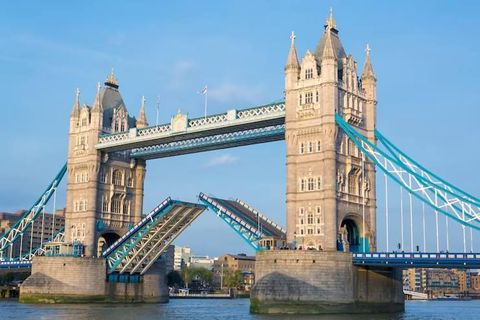
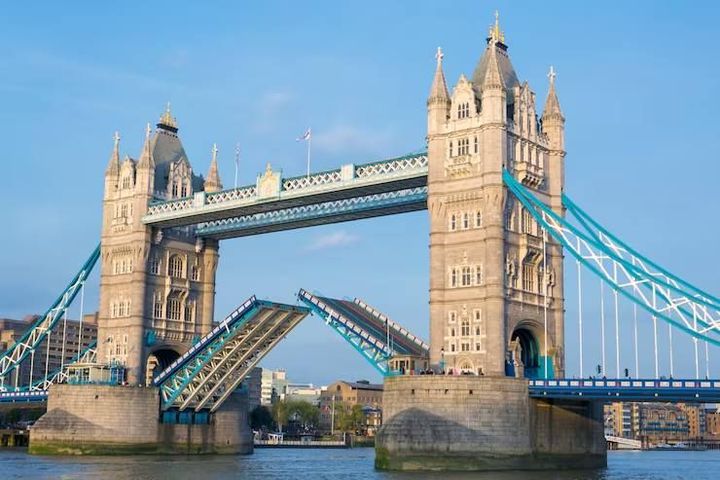
| Tower Bridge | Victorian engineering | Historic Thames crossing |
| Greenwich | Maritime and scientific history | Royal and maritime heritage |
| City of London | Roman to modern urban history | Archaeology and historic streets |
| Buckingham Palace | Royal history | Royal residence and ceremonial setting |
Planning Historical Walking Routes
Walking can connect several landmarks within the same district. A Westminster route can focus on royal, parliamentary, religious, and ceremonial history. A City of London route can concentrate on Roman archaeology, medieval churches, financial history, and post-fire reconstruction.
A Thames-focused route can connect river landmarks with bridges and historic waterfront areas. Greenwich provides another route where maritime, scientific, royal, and architectural themes overlap.
Travelers should allow time for security checks, museum exhibitions, guided activities, queues, and movement between locations. Some historic sites require timed entry, while others operate according to different visitor arrangements.
Learning About Heritage
Historical context can make a landmark easier to understand. Reading a short timeline before visiting can help connect architectural details with the people, institutions, and events associated with the building.
Museum collections can provide another layer of information. Objects, documents, paintings, maps, clothing, tools, and archaeological materials can explain aspects of history that are not immediately visible from a building's exterior.
FAQs
What are the main London historical landmarks?
Major London historical landmarks include the Tower of London, Westminster Abbey, the Palace of Westminster, St Paul's Cathedral, Tower Bridge, Buckingham Palace, and the historic Greenwich area. Each represents different periods and aspects of London's development.
Which London heritage sites are UNESCO World Heritage Sites?
The Tower of London is a UNESCO World Heritage property. The Palace of Westminster, Westminster Abbey, and Saint Margaret's Church form another UNESCO property, while Greenwich is also part of a World Heritage Site.
What can visitors learn from London historical landmarks?
Visitors can learn about Roman settlement, medieval government, royal history, religion, military architecture, engineering, maritime activity, industrial development, and modern urban change.
How can travelers explore London heritage sites?
Travelers can organize visits by neighborhood or historical theme. Walking routes, public transport, digital maps, museum information, and heritage guides can help connect landmarks that are located near one another.
Why is heritage conservation important in London?
Conservation helps retain buildings, archaeological remains, architectural details, and historic settings that provide evidence of London's past. Planning controls and conservation programs help manage changes while allowing the city to continue developing.
Conclusion
London historical landmarks provide physical connections to Roman, medieval, Tudor, Georgian, Victorian, and modern periods of the city's development. Major heritage sites include royal buildings, churches, fortresses, bridges, archaeological remains, museums, and historic neighborhoods. Recent developments have combined conservation with accessibility improvements, digital interpretation, museum redevelopment, and continued heritage monitoring. Travel planning can be organized around geographic areas or historical themes, while applicable heritage and planning rules help protect significant places.