Learn About Industrial Machinery Suppliers and Modern Manufacturing Equipment
Industrial machinery suppliers are an important part of modern manufacturing because factories depend on specialized equipment to transform raw materials into finished products. Industrial machinery includes equipment used for cutting, forming, shaping, mixing, heating, assembling, packaging, inspecting, transporting, and processing materials.
The development of industrial machinery comes from the long-term evolution of manufacturing. Early production depended heavily on manual tools and basic mechanical equipment. As production requirements became more complex, manufacturers developed specialized machines that could perform repeated operations with greater consistency.
Today, industrial machinery suppliers may provide equipment for different production environments, including metalworking, plastics, food processing, electronics, automotive production, packaging, chemicals, textiles, and general industrial applications. Their equipment can range from individual production machines to integrated automated manufacturing systems.
What Industrial Machinery Includes
Industrial machinery covers a broad range of equipment. Common categories include:
- CNC machines for controlled cutting and machining
- Production machinery for repeated manufacturing operations
- Material handling equipment for moving components and materials
- Industrial processing equipment for physical or chemical processes
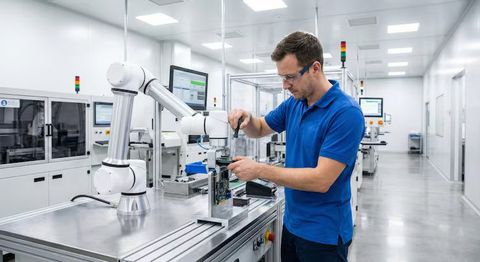
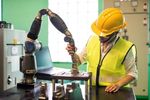
- Industrial robotics for automated movement and assembly
- Machine vision systems for inspection and measurement
- Industrial control systems for monitoring machinery
- Packaging and assembly equipment
- Thermal processing equipment for heating and controlled temperature operations
- Industrial mixing systems for combining materials
Modern equipment may also include sensors, programmable controllers, software interfaces, and communication systems. These technologies allow machines to exchange information and provide operators with more detailed production data.
Role of Industrial Machinery Suppliers
Industrial machinery suppliers connect equipment manufacturers with organizations that need specific production technologies. Depending on the business model, a supplier may represent equipment producers, integrate different technologies, provide technical documentation, or coordinate equipment installation and maintenance activities.
The role has expanded as factories increasingly combine mechanical equipment with industrial automation. A modern production line may include CNC machine manufacturing technologies, robotics, conveyors, sensors, programmable logic controllers, and manufacturing execution systems.
Importance
Modern manufacturing equipment affects many industries because production quality, consistency, safety, and resource use depend partly on the machinery used within a facility. Equipment selection can also influence how materials move through a production process and how information is collected from machines.
For manufacturers, industrial machinery suppliers can help identify equipment categories that match particular production requirements. For engineers and technical teams, understanding machine specifications helps with planning factory layouts, production processes, control systems, and equipment integration.
Who Uses Industrial Machinery
Industrial machinery is used by organizations involved in many types of production. Examples include:
- Automotive manufacturing
- Electronics assembly
- Metal fabrication
- Plastic processing
- Food and beverage production
- Pharmaceutical manufacturing
- Textile production
- Packaging
- Construction materials
- Energy equipment manufacturing
The equipment required by each industry differs. A metalworking facility may require CNC machining and automated material handling, while an electronics factory may depend more heavily on precision assembly, inspection cameras, and automated placement systems.
Why Automation Matters
Factory automation equipment has become increasingly important because many production processes involve repetitive or highly controlled activities. Industrial automation equipment can coordinate motors, sensors, conveyors, robotic systems, and controllers.
Automated manufacturing systems can also collect information during production. This information may help operators identify process interruptions, monitor machine conditions, and understand production performance.
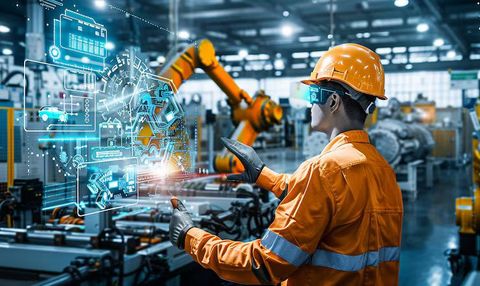
Smart manufacturing extends this concept by connecting equipment, software, sensors, and production data. Industrial Internet of Things technologies can allow machines to communicate information across connected production environments.
Comparing Equipment Categories
| Equipment Category | Common Function | Typical Technologies |
|---|---|---|
| CNC Machines | Cutting and machining | Computer controls, motors, tooling |
| Industrial Robots | Handling and assembly | Robotic arms, sensors, controllers |
| Conveyors | Material movement | Motors, sensors, control systems |
| Machine Vision | Inspection | Cameras, lighting, software |
| Mixing Systems | Material processing | Motors, vessels, control units |
| Thermal Equipment | Controlled heating | Temperature sensors, controllers |
| Packaging Equipment | Product packaging | Motors, sensors, automation |
| PLC Systems | Machine control | Programmable controllers, software |
Understanding these differences makes it easier to interpret equipment specifications and identify the technologies involved in a manufacturing process.
Recent Updates
Manufacturing technology has continued to change between 2024 and 2026. One important trend has been the wider integration of automation, connected equipment, data collection, and software into conventional industrial machinery.
Industrial automation systems increasingly combine sensors and controllers with data platforms. Instead of operating as isolated machines, equipment can become part of a connected production environment where operating information is collected and analyzed.
Growth of Smart Manufacturing
Smart manufacturing focuses on connecting production machinery with digital technologies. Sensors can collect information about temperature, vibration, speed, pressure, position, and other operating conditions.
Manufacturing teams can use this information to understand equipment behavior and identify unusual operating patterns. This supports condition-based maintenance approaches, where equipment condition is considered alongside fixed maintenance schedules.
Robotics and Machine Vision
Industrial robotics continues to develop alongside machine vision technology. Robots can perform repetitive movement, material handling, assembly, welding, and other controlled operations.
Machine vision adds cameras and software-based image analysis to manufacturing processes. It can support inspection tasks such as checking dimensions, identifying visible defects, confirming component placement, and reading codes.
More Connected Equipment
Industrial machinery suppliers are increasingly working with equipment that supports digital communication. Industrial control systems, PLCs, SCADA platforms, MES software, and industrial IoT devices can form interconnected production environments.
Another development is the use of digital models and simulation during machine design engineering. These approaches can help technical teams examine machine behavior and production layouts before physical implementation.
Laws or Policies
Industrial machinery is affected by safety, environmental, electrical, workplace, and product-related rules. The exact requirements depend on the country, industry, machine type, and intended application.
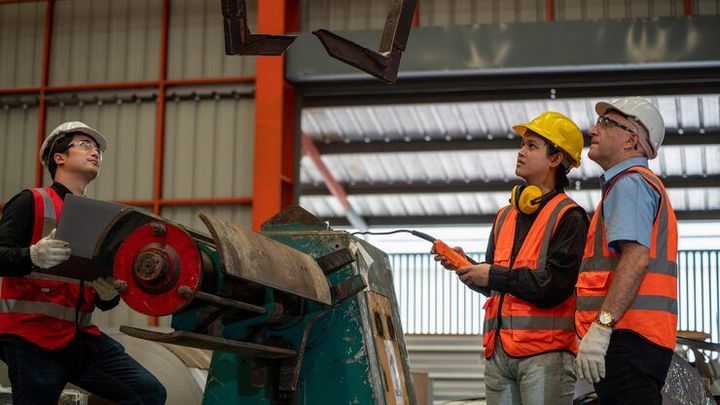
Machinery safety requirements commonly address hazards involving moving components, electrical systems, emergency controls, guarding, operator access, and machine instructions. Equipment may need appropriate risk assessment and documentation before being placed into operation.
Common Regulatory Areas
Manufacturers and industrial machinery suppliers may need to consider:
- Machinery safety requirements
- Electrical safety rules
- Workplace health and safety requirements
- Electromagnetic compatibility requirements
- Environmental and energy-efficiency regulations
- Noise and emissions requirements where applicable
- Equipment documentation and technical records
- Import and conformity requirements
Different regions use different regulatory frameworks. Some markets require conformity assessment or specific technical markings before particular equipment can be placed on the market.
Standards can also support machinery design and manufacturing practices. Standards related to quality management, machine safety, electrical systems, automation, and risk assessment are commonly considered during equipment development.
Organizations should verify the rules applicable to their location and industry because regulatory requirements can change according to equipment type and intended use.
Tools and Resources
Several digital tools can help people understand industrial machinery and modern manufacturing equipment. Product catalogs and technical documentation can provide information about machine specifications, operating ranges, dimensions, power requirements, materials, and control systems.
Equipment Research Tools
Useful resources include:
- Manufacturer specification sheets
- Industrial equipment catalogs
- Technical manuals
- CAD and machine design software
- Production planning templates
- Equipment comparison spreadsheets
- Machine capacity calculators
- Energy monitoring software
- Industrial automation configuration tools
- Maintenance planning platforms
CAD software is commonly used for machine design engineering and production layout planning. Simulation software can also help examine manufacturing processes before equipment is physically installed.
Understanding Machine Specifications
Important specifications vary according to the equipment category. For a CNC machine, relevant information may include working area, spindle characteristics, axis configuration, control system, and compatible tooling.
For automated manufacturing equipment, specifications may include production capacity, operating speed, sensor systems, controller type, communication protocols, and integration requirements.
Understanding these details is important because two machines designed for similar applications may have significantly different operating characteristics. Technical documentation provides a structured way to compare their capabilities without relying on promotional descriptions.
FAQs
What do industrial machinery suppliers provide?
Industrial machinery suppliers connect industrial users with manufacturing equipment and related technical information. Depending on the supplier, this can include machinery, automation components, documentation, integration support, and equipment-related technical assistance.
What is modern manufacturing equipment?
Modern manufacturing equipment includes machines that use mechanical, electrical, electronic, software, and automation technologies. Examples include CNC machines, industrial robots, automated assembly equipment, machine vision systems, and industrial processing equipment.
How does factory automation equipment work?
Factory automation equipment uses controllers, sensors, motors, software, and communication systems to coordinate production activities. Automated systems can perform repetitive operations and collect information about machine conditions and production processes.
What should be considered when comparing industrial machinery suppliers?
Important factors include machine specifications, compatibility, production requirements, safety provisions, documentation, automation capabilities, technical support arrangements, integration requirements, and applicable regulations.
What is the role of industrial automation equipment suppliers?
Industrial automation equipment suppliers may provide automation components and systems such as PLCs, sensors, control panels, robotics, machine vision equipment, and industrial communication technologies. These components can be integrated into production environments according to specific manufacturing requirements.
Conclusion
Industrial machinery suppliers play an important role in connecting manufacturing organizations with production equipment and industrial technologies. Modern manufacturing equipment increasingly combines mechanical systems with automation, sensors, software, robotics, and connected controls. Recent developments have placed greater emphasis on smart manufacturing, machine data, industrial robotics, and integrated automation systems. Understanding equipment categories, technical specifications, safety requirements, and applicable regulations provides useful background for evaluating modern industrial manufacturing environments.