Hydraulic Process Plants Guide With Industrial Fluid Systems and Engineering Insights
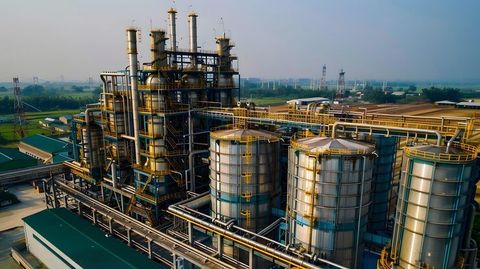
Hydraulic process plants are industrial facilities or production environments that use pressurized fluids to transfer energy, move equipment, control processes, or manage material flow. A hydraulic system normally combines pumps, valves, reservoirs, filters, actuators, pipes, hoses, sensors, and control components to create a controlled flow of hydraulic fluid.
The basic concept comes from fluid power engineering. Instead of relying only on mechanical gears, belts, or electrical motors for movement, hydraulic equipment uses fluid pressure to transmit force. This approach became increasingly important as industrial machinery developed larger loads, more controlled movements, and more automated production processes.
Hydraulic process plants can be found in manufacturing, metal processing, construction equipment production, energy facilities, material handling, automotive production, and other industrial environments. Their designs vary considerably depending on the materials being processed, operating pressure, temperature, flow requirements, and level of automation.
Main Components of Hydraulic Systems
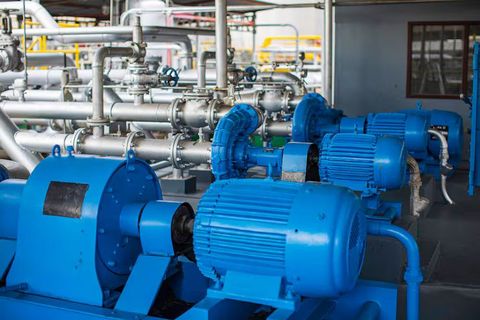
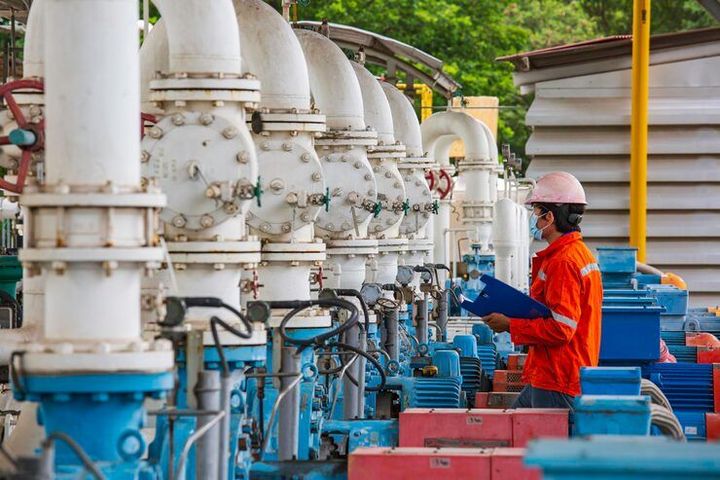
A hydraulic process plant generally contains several interconnected elements. The pump moves fluid through the system, while valves regulate its direction, pressure, and flow. Actuators convert hydraulic energy into mechanical movement.
Other important components include reservoirs for holding fluid, filters for removing unwanted particles, heat exchangers for managing temperature, accumulators for storing pressurized fluid, and sensors for monitoring operating conditions.
A simplified hydraulic process can be understood as:
| Component | Main Function |
|---|---|
| Reservoir | Stores hydraulic fluid |
| Pump | Circulates fluid through the system |
| Valve | Controls pressure, direction, or flow |
| Actuator | Produces mechanical movement |
| Filter | Removes contaminants |
| Accumulator | Stores pressurized fluid |
| Sensor | Measures operating conditions |
| Controller | Coordinates automated functions |
The interaction between these components determines how efficiently and safely an industrial fluid system performs.
Importance
Why Hydraulic Process Plants Matter
Hydraulic process plants matter because many industrial operations require substantial force and controlled movement. Hydraulic systems can transmit force through relatively compact components, making them useful in machinery where large mechanical loads need to be controlled.
These systems also provide adjustable movement. Pressure and flow can be regulated according to process requirements, allowing equipment to perform tasks such as pressing, lifting, clamping, forming, positioning, and material handling.
For everyday users, the effects are usually indirect. Hydraulic technology contributes to the production of manufactured goods, infrastructure equipment, transportation components, agricultural machinery, and numerous industrial products.
Challenges Addressed by Hydraulic Engineering
Industrial fluid systems must operate under changing loads and environmental conditions. Excessive heat, contamination, pressure fluctuations, leakage, incorrect fluid selection, and component wear can affect system performance.
Modern hydraulic engineering therefore focuses on several areas:
- Pressure and flow control
- Fluid cleanliness
- Temperature management
- Energy efficiency
- Equipment monitoring
- Automated process control
- Leak detection
- Component reliability
- Safe system isolation
Proper system design also helps reduce unnecessary energy use. A hydraulic circuit that produces more pressure or flow than the process requires can consume additional electrical energy and generate excess heat.
Role in Industrial Production
Hydraulic machinery is particularly useful when high force must be applied smoothly. Hydraulic presses, injection equipment, forming machinery, lifting systems, and industrial handling equipment are examples where controlled fluid power can play an important role.
Hydraulic process plants may also work alongside electrical control systems. Sensors can measure pressure, temperature, flow, position, and vibration, while programmable controllers can use these measurements to coordinate equipment operation.
Recent Updates
Digital Monitoring and Automation
Recent developments from 2024 through 2026 have continued to move hydraulic systems toward greater digital monitoring and automation. Industrial facilities increasingly combine hydraulic equipment with sensors, programmable controllers, industrial networks, and data analysis platforms.
Condition monitoring is another growing area. Instead of relying only on scheduled inspections, operators can examine measurements such as fluid temperature, pressure behavior, vibration, and filter condition to identify unusual operating patterns.
Energy Management
Energy efficiency has become an important engineering consideration for hydraulic process plants. Variable-speed pump drives, improved hydraulic circuits, electronic controls, and load-sensitive technologies can help match energy consumption more closely with process requirements.
Electro-hydraulic systems are also becoming more integrated. These systems combine electrical control with hydraulic power, allowing machines to coordinate movement with greater precision.
Smarter Fluid Management
Fluid condition monitoring is gaining attention because hydraulic fluid affects many parts of system operation. Contamination, oxidation, moisture, and unsuitable temperature conditions can influence component performance.
Modern monitoring approaches may combine laboratory analysis with sensors and digital records. This can provide a broader picture of hydraulic system condition than visual inspection alone.
Laws or Policies
Industrial Safety Requirements
Hydraulic process plants are generally subject to workplace safety, machinery safety, pressure-system, environmental, and electrical requirements applicable in their jurisdiction. The exact rules vary by country, industry, equipment type, and operating pressure.
Common requirements may address pressure relief, guarding, emergency shutdown systems, electrical safety, fluid handling, equipment inspection, and worker protection.
Environmental Considerations
Hydraulic fluid management can also be influenced by environmental rules. Facilities may need procedures for preventing leaks, handling contaminated materials, storing fluids appropriately, and managing waste generated during industrial operations.
Some industries also use fluids with characteristics selected to reduce environmental concerns where technically appropriate. Fluid selection depends on equipment requirements, operating conditions, compatibility, and applicable regulations.
Documentation and Risk Control
Industrial facilities commonly maintain equipment documentation, hydraulic circuit diagrams, inspection records, operating procedures, and risk assessments. These materials help personnel understand system functions and identify potential hazards.
Because regulations differ across jurisdictions, plant operators generally need to consult the applicable national, regional, and industry-specific requirements rather than relying on a single universal rule.
Tools and Resources
Hydraulic Calculation Tools
Hydraulic engineering calculations can involve pressure, flow rate, cylinder force, motor displacement, fluid velocity, power requirements, and pressure losses. Hydraulic calculators available through engineering platforms can help users understand these relationships.
For example, cylinder force can be estimated from hydraulic pressure and piston area:
Force = Pressure × Area
Actual system performance can differ because of efficiency losses, friction, leakage, temperature, and component characteristics.
Engineering Software
Hydraulic circuit design software can be used to model valves, pumps, cylinders, motors, and control circuits. Some engineering platforms also provide simulation functions that allow users to examine system behavior before physical equipment is assembled.
Common resource categories include:
- Hydraulic circuit simulation software
- Fluid power calculators
- Pump sizing tools
- Cylinder sizing calculators
- Pressure-loss calculators
- Equipment manuals
- Technical standards databases
- Maintenance templates
- Digital monitoring dashboards
Maintenance and Documentation Resources
Plant documentation can include hydraulic schematics, component specifications, inspection checklists, fluid analysis records, and maintenance schedules. Digital asset-management platforms may also help organize equipment information and operating records.
These resources are particularly useful in large facilities where many hydraulic circuits operate simultaneously.
FAQs
What are Hydraulic Process Plants?
Hydraulic process plants are industrial environments where hydraulic systems are used to transfer fluid power, control machinery, move equipment, or support production processes. They normally contain pumps, valves, actuators, reservoirs, filters, sensors, and related control equipment.
How do Industrial Fluid Systems work?
Industrial fluid systems move hydraulic fluid through controlled circuits. A pump creates fluid flow, valves regulate the flow and pressure, and actuators convert hydraulic energy into mechanical movement.
What equipment is used in Hydraulic Process Plants?
Common equipment includes hydraulic pumps, motors, cylinders, control valves, pressure-relief valves, reservoirs, filters, accumulators, heat exchangers, sensors, piping, hoses, and electronic control systems.
Why is hydraulic fluid condition important?
Hydraulic fluid condition affects lubrication, heat transfer, contamination control, and component operation. Excessive contamination, moisture, unsuitable temperature, or fluid degradation can contribute to equipment problems.
Are Hydraulic Process Plants becoming more automated?
Yes. Current industrial development increasingly combines hydraulic equipment with electronic sensors, programmable controllers, digital monitoring, variable-speed drives, and data-analysis systems. The degree of automation depends on the process and equipment design.
Conclusion
Hydraulic process plants use fluid power technology to control force, movement, pressure, and material-handling processes across many industrial environments. Modern industrial fluid systems increasingly combine hydraulic equipment with sensors, electronic controls, monitoring technologies, and energy-management methods. Safety requirements, environmental considerations, fluid condition, and equipment documentation remain important parts of hydraulic engineering. Understanding these fundamentals provides a useful foundation for examining how hydraulic technology supports modern industrial processes.