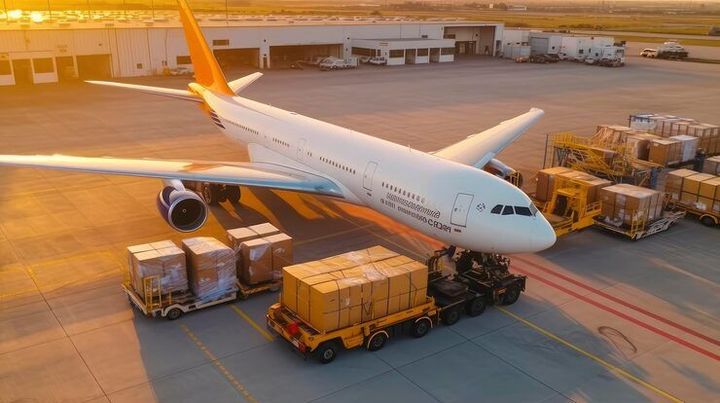
International Air Cargo Logistics Information With Freight Management and Transportation Insights
International air cargo logistics is the movement and coordination of goods between countries using aircraft and connected transportation networks. It involves cargo preparation, documentation, airport handling, customs procedures, freight management, transportation planning, storage, security checks, and final delivery.
Air freight is commonly used when shipment speed, geographic reach, product sensitivity, or predictable transportation schedules are important.
The development of international air cargo is closely connected with the expansion of global trade and aviation. As manufacturers, retailers, distributors, and other organizations began operating across multiple regions, transportation systems needed to move products efficiently between distant markets. Airports gradually became important logistics hubs where cargo could be transferred between aircraft, trucks, warehouses, customs facilities, and other transportation networks.
International air cargo logistics involves more than placing goods on an aircraft. A shipment normally passes through several stages, beginning with preparation and documentation and continuing through export handling, airport processing, flight transportation, import clearance, and onward transportation.
Freight management coordinates these activities. It can include shipment planning, carrier selection, routing, cargo consolidation, documentation management, tracking, inventory coordination, and communication between parties. Transportation insights are useful because each shipment can have different requirements based on size, weight, destination, product characteristics, urgency, and regulatory controls.
Main Elements of Air Cargo Logistics
An international air cargo movement can involve several connected activities:
Cargo preparation and packaging
Shipment booking and planning
Freight classification and weighing
Export documentation
Airport cargo acceptance
Security screening
Customs processing
Aircraft transportation
Import documentation
Customs clearance
Ground transportation
Warehouse handling
Shipment tracking and record management
The exact process varies according to the countries involved, the type of cargo, the transportation route, and applicable regulations.
How Freight Moves Through the Network
Cargo may begin at a manufacturing facility, warehouse, distribution center, or consolidation point. It is then transported to an airport, where handling facilities receive, inspect, screen, and prepare the shipment for aircraft loading.
After arrival at the destination airport, the cargo may undergo import processing before being transferred to a warehouse or ground transportation provider. The final stage can involve trucks or other transportation methods connecting the airport with a distribution center, business location, or other destination.
Importance
International air cargo logistics matters because global supply chains often connect production, storage, distribution, and consumption across multiple regions. Products can cross several borders before reaching their final destination, making coordination between transportation and documentation systems important.
Air freight is particularly relevant for time-sensitive products, high-value goods, spare components, perishable products, samples, electronics, and other materials where transportation speed can influence inventory planning.
Who Uses International Air Cargo Logistics?
International air cargo systems support a wide range of industries and organizations. These include:
Manufacturers
Retail and distribution companies
Electronics producers
Pharmaceutical and healthcare supply chains
Agricultural exporters
Automotive manufacturers
Technology companies
E-commerce businesses
Freight forwarders
Airlines and airport operators
Customs authorities
Warehouses and distribution centers
Each participant may have different responsibilities. A manufacturer may prepare the cargo and commercial documentation, while a freight forwarder can coordinate transportation arrangements and documentation between several parties.
Freight Management and Planning
Freight management involves coordinating shipment information from the beginning of transportation through arrival. Important planning factors include cargo dimensions, gross weight, destination, handling requirements, transportation schedules, customs documentation, and available capacity.
Cargo dimensions can also affect transportation planning. Air freight calculations may consider both actual weight and dimensional weight because aircraft capacity is limited by both mass and available space.
A basic planning process may include:
Confirming cargo characteristics
Identifying the origin and destination
Reviewing documentation requirements
Selecting an appropriate routing structure
Checking aircraft or transportation capacity
Preparing cargo for handling
Tracking movement through transportation stages
Coordinating customs and final transportation
Supply Chain Visibility
Tracking technology has become an important part of freight management. Shipment information can be updated as cargo moves through airports, warehouses, customs locations, and transportation networks.
Visibility systems can help organizations understand shipment status and identify where cargo is located within the transportation process. Data can also be integrated into inventory systems, enterprise platforms, warehouse management software, and transportation management systems.
Recent Updates
From 2024 through 2026, international air cargo logistics has continued moving toward digital documentation, automated handling, improved shipment visibility, data integration, and more efficient cargo planning. These developments reflect the increasing complexity of global supply chains.
Digital Freight Management
Electronic documentation is becoming increasingly important across international transportation. Digital records can reduce reliance on paper documents and make information easier to exchange between airlines, freight forwarders, customs authorities, warehouses, and other participants.
Electronic air waybills and digital cargo records can support faster information exchange while improving the consistency of shipment data. Adoption varies by route, organization, regulatory environment, and technology infrastructure.
Automated Cargo Handling
Air cargo facilities increasingly use automated equipment for sorting, storage, movement, and identification. Conveyors, automated storage systems, scanning equipment, and robotic handling systems can be integrated into airport logistics operations.
Automation can also support cargo identification and movement through different warehouse zones. Barcode and radio-frequency identification technologies may be used to associate physical cargo with digital shipment records.
Data Analytics and Artificial Intelligence
Data analytics is being applied to areas such as capacity planning, shipment forecasting, route analysis, warehouse management, and operational monitoring. Artificial intelligence can assist with analyzing large volumes of transportation information and identifying patterns.
These technologies still depend on accurate data and appropriate human oversight. Automated analysis does not remove the need to verify documentation, regulatory requirements, cargo information, or operational decisions.
Sustainability and Fleet Efficiency
Environmental considerations are increasingly part of international transportation planning. Airlines, airports, logistics organizations, and technology providers are examining fuel efficiency, aircraft utilization, ground operations, warehouse energy use, and alternative fuels.
Sustainability initiatives vary widely across transportation networks. Their practical impact depends on aircraft technology, route structure, infrastructure, fuel availability, and regulatory frameworks.
Laws or Policies
International air cargo is influenced by aviation rules, customs requirements, security regulations, trade documentation, dangerous-goods controls, import and export procedures, and national transportation laws. Requirements vary according to the countries involved and the type of cargo being transported.
Customs and Trade Documentation
International shipments normally require accurate documentation so customs authorities can identify the goods, their origin, value, classification, and intended destination. Common documents may include commercial invoices, packing information, air waybills, certificates, permits, and customs declarations where applicable.
Incorrect or incomplete information can create processing delays or additional inspections. Documentation requirements also vary according to cargo category and destination.
Air Cargo Security
International air cargo is subject to security controls designed to prevent prohibited materials and unauthorized access from entering the aviation transportation system. Screening procedures can include physical inspection, security scanning, documentation checks, and controlled access to cargo areas.
Air cargo organizations must follow applicable aviation security requirements and maintain appropriate records and procedures.
Dangerous Goods
Certain materials require specialized handling because they can create risks during air transportation. Dangerous goods regulations address areas such as classification, packaging, labeling, documentation, storage, and handling.
Examples of regulated categories can include certain batteries, chemicals, compressed gases, flammable materials, and other substances with specific transportation characteristics. Requirements depend on the material and applicable aviation rules.
International Standards
Organizations involved in air cargo frequently work within frameworks established by international aviation and transportation bodies. National authorities may add additional requirements based on local customs, aviation, security, environmental, or trade rules.
Tools and Resources
Several digital tools can support international air cargo logistics and freight management. Transportation management systems can help organize shipment information, transportation schedules, documentation, carrier data, and tracking records.
Warehouse management systems can coordinate cargo receiving, storage locations, inventory records, scanning, and dispatch activities. Route planning tools can also help compare transportation paths and estimated transit periods.
Useful resources include:
Air cargo tracking platforms
Freight rate and dimensional-weight calculators
Transportation management systems
Warehouse management systems
Electronic documentation platforms
Customs classification tools
Cargo capacity planning software
Route planning systems
Shipment visibility dashboards
Inventory management platforms
Compliance checklists
Packaging and cargo preparation guides
A simplified comparison of major air cargo planning factors is shown below:
| Planning Factor | Main Purpose | Common Consideration |
|---|---|---|
| Cargo Weight | Determine shipment mass | Actual gross weight |
| Dimensions | Determine space requirements | Length, width, and height |
| Routing | Plan transportation movement | Direct or connecting flights |
| Documentation | Support customs processing | Accurate shipment information |
| Security | Protect aviation operations | Screening and controlled access |
| Tracking | Monitor shipment progress | Status updates and location |
| Packaging | Protect cargo during handling | Product characteristics |
| Ground Transport | Connect airports with destinations | Vehicle capacity and timing |
Digital tools can also help connect air transportation information with broader supply chain platforms. This can provide a more complete view of inventory movement, warehouse activity, and transportation status.
FAQs
What is international air cargo logistics?
International air cargo logistics is the planning and movement of goods between countries using aircraft and connected transportation networks. It includes cargo preparation, documentation, airport handling, customs procedures, transportation, tracking, and final distribution.
How does freight management work in international air cargo?
Freight management coordinates shipment planning, routing, documentation, cargo handling, tracking, and transportation activities. It helps connect different participants involved in moving goods across international transportation networks.
What documents are required for international air cargo transportation?
Requirements vary by shipment and destination. Common documents can include an air waybill, commercial invoice, packing information, customs declarations, certificates, and permits when applicable.
How does automation affect international air cargo logistics?
Automation can support cargo sorting, scanning, warehouse movement, documentation, tracking, and data processing. Automated systems can reduce repetitive manual activities while still requiring human oversight and regulatory compliance.
What factors affect international air freight planning?
Important factors include cargo weight, dimensions, product characteristics, origin, destination, routing, available aircraft capacity, customs requirements, security procedures, packaging, documentation, and ground transportation arrangements.
Conclusion
International air cargo logistics connects aircraft transportation with freight management, airport handling, customs processes, warehousing, tracking, and ground transportation. Digital documentation, automated cargo handling, data analytics, and shipment visibility are becoming increasingly integrated into modern logistics networks. Regulatory requirements remain important because international cargo movements must comply with customs, aviation security, transportation, and cargo-specific rules. Effective freight management therefore depends on accurate shipment information, coordinated transportation processes, suitable documentation, and awareness of applicable regulations.