Rubber Flooring Information With Design Choices, Performance, and Maintenance Tips
Rubber flooring is a resilient floor covering made from natural rubber, synthetic rubber, or a combination of rubber-based materials. It is produced in several forms, including rolls, tiles, sheets, and interlocking pieces.
The material has been used for decades in environments where durability, impact absorption, traction, and easier upkeep are important.
Rubber flooring is commonly associated with fitness areas, sports facilities, schools, healthcare environments, workshops, commercial interiors, and other spaces with frequent foot traffic. It is also used in some residential rooms where cushioning, sound reduction, or a resilient surface is useful.
How Rubber Flooring Is Made
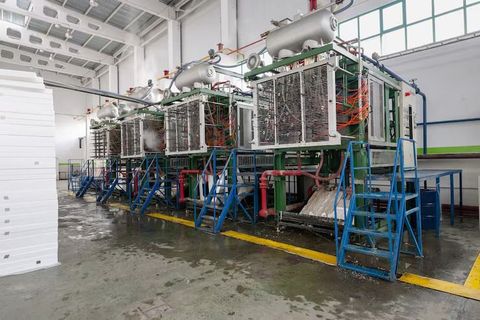
Rubber flooring can be manufactured from different rubber compounds. Recycled rubber is commonly incorporated into some products, while other products use virgin synthetic or natural rubber. Manufacturing methods influence the surface texture, density, flexibility, appearance, and performance of the finished flooring.
The material may have a smooth surface, textured finish, patterned appearance, or speckled design. Thickness also varies according to the intended environment. Thinner products can suit general indoor areas, while thicker materials are often associated with spaces where impact absorption is important.
Common Rubber Flooring Formats
Rubber flooring is available in several practical formats.
- Rolls provide broad continuous coverage and can reduce the number of visible seams.
- Tiles allow individual sections to be replaced when necessary.
- Interlocking tiles can be assembled without traditional adhesive in some applications.
- Mats provide localized protection in areas exposed to equipment, movement, or impact.
The appropriate format depends on room dimensions, installation conditions, expected traffic, cleaning requirements, and the desired visual appearance.
Importance
Why Rubber Flooring Matters
Flooring influences safety, comfort, appearance, cleaning routines, and long-term building maintenance. A suitable surface can help manage everyday foot traffic while providing a stable area for walking, exercising, working, or moving equipment.
Rubber flooring is particularly relevant in environments where hard surfaces may create more impact noise or provide limited cushioning. Its resilient structure can absorb some impact from footsteps and equipment, although the amount of cushioning depends heavily on the product's thickness and construction.
Where Rubber Flooring Is Used
Rubber flooring can be found in many types of spaces, including:
- Fitness rooms and exercise areas
- Indoor sports facilities
- Educational buildings
- Healthcare environments
- Workshops and utility rooms
- Commercial buildings
- Public recreation areas
- Corridors and high-traffic spaces
- Selected residential interiors
Different environments require different performance characteristics. For example, an exercise area may prioritize impact absorption, while a corridor may place greater emphasis on abrasion resistance, traction, and ease of cleaning.
Design Choices and Appearance
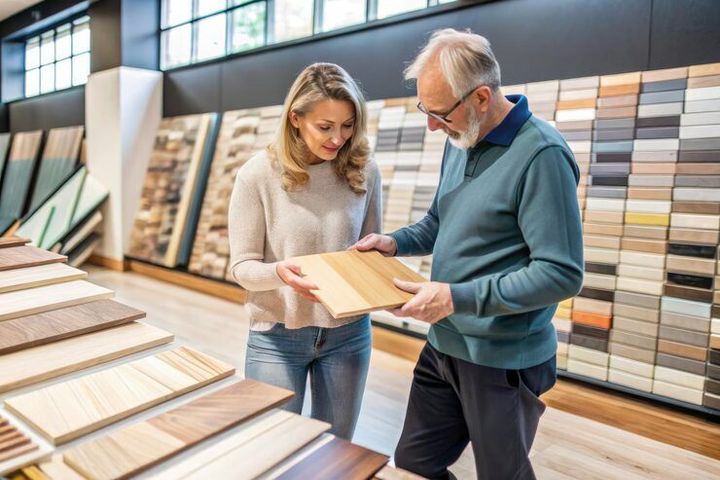
Modern rubber flooring is available in a wider range of designs than the traditional dark, industrial appearance associated with older products. Manufacturers can produce surfaces with different colors, flecks, patterns, textures, and finishes.
Design selection can influence how dirt, marks, and wear appear over time. Speckled surfaces may visually disguise small particles, while smoother and more uniform finishes can create a cleaner visual appearance but may make certain marks easier to notice.
Performance Characteristics
Rubber flooring can provide several useful performance characteristics, although actual results depend on product construction and installation.
| Feature | General characteristic | Main consideration |
|---|---|---|
| Durability | Resilient against regular foot traffic | Product density and thickness |
| Impact absorption | Helps reduce some impact from movement | Thickness and substrate |
| Traction | Textured surfaces can improve grip | Moisture and surface condition |
| Sound control | Can reduce some impact noise | Room construction and underlayment |
| Maintenance | Usually requires routine cleaning | Finish and cleaning method |
| Design | Available in multiple patterns | Color, texture, and format |
| Installation | Tiles and rolls are common | Room size and substrate |
| Moisture resistance | Many products tolerate routine moisture | Product specifications and installation |
No flooring material performs identically in every environment. Product specifications should therefore be considered alongside the expected traffic, moisture exposure, temperature, equipment, and cleaning routine.
Recent Updates
Current Design Trends
Recent developments in rubber flooring have focused on greater design flexibility and more application-specific products. Instead of relying only on plain dark surfaces, manufacturers increasingly produce options with subtle patterns, colored flecks, varied textures, and finishes intended to integrate with contemporary interiors.
This has expanded the use of rubber flooring beyond traditional athletic and industrial environments. Designers can now select surfaces that visually coordinate with surrounding walls, furniture, equipment, and architectural finishes.
Sustainability Considerations
Environmental considerations have also become more visible in flooring decisions. Some rubber flooring products incorporate recycled rubber, which can make use of material that might otherwise enter waste streams.
However, recycled content alone does not determine the overall environmental profile of a flooring product. Manufacturing processes, transportation, expected lifespan, maintenance requirements, replacement frequency, and end-of-life handling can all influence environmental considerations.
Installation Developments
Interlocking systems have gained attention because they can simplify installation in selected applications and allow sections to be removed individually. Sheet and roll systems remain relevant where a more continuous surface is preferred.
Advances in surface treatments and manufacturing processes have also produced flooring designed for particular requirements, such as improved traction, easier cleaning, enhanced acoustic performance, or resistance to heavier traffic.
Laws or Policies
Building and Safety Requirements
Rubber flooring can be affected by building regulations, fire-safety requirements, accessibility provisions, indoor-environment standards, and product testing rules. The exact requirements depend on the country, building type, occupancy, and intended use.
For example, public and commercial buildings may have specific requirements concerning slip resistance, floor transitions, accessibility, flame behavior, smoke characteristics, or evacuation routes. A flooring product should therefore be evaluated against the requirements applicable to its installation location.
Material and Indoor Environment Considerations
Some flooring products may be subject to requirements concerning chemical emissions, material composition, or indoor air quality. Adhesives, primers, coatings, and cleaning chemicals can also affect the indoor environment.
Documentation such as technical specifications, safety information, installation instructions, and product testing information can help building managers understand applicable requirements. Certification systems may also be relevant where a particular building project follows environmental or indoor-air standards.
Accessibility and Surface Safety
Floor surfaces should provide stable walking conditions and appropriate transitions between different materials. Changes in floor height, loose tiles, exposed edges, or unsuitable surface conditions can create hazards.
For public and commercial spaces, accessibility requirements may address thresholds, transitions, walking surfaces, and circulation areas. These provisions should be reviewed according to the regulations that apply to the specific building.
Tools and Resources
Flooring Area Calculator
A flooring area calculator can help estimate the amount of material needed for a room. Measurements normally include room length and width, followed by calculations for total floor area.
For irregular rooms, the space can be divided into smaller rectangular sections. Additional material may be required depending on the product format, cutting pattern, installation method, and replacement needs.
Maintenance Planning Tools
A simple maintenance schedule can organize routine cleaning and periodic inspections. A practical checklist may include:
- Regular dust and debris removal
- Damp cleaning according to manufacturer instructions
- Inspection of seams and edges
- Checking for damaged sections
- Removal of spills
- Periodic review of surface appearance
Cleaning products should be compatible with the specific rubber flooring. Strong chemicals, excessive water, abrasive tools, or unsuitable solvents can affect certain rubber surfaces.
Product Specification Sheets
Technical specification sheets are useful when comparing flooring characteristics. They may include information about thickness, density, dimensions, surface finish, installation method, acoustic properties, fire performance, and chemical resistance.
Installation manuals are equally important because preparation of the underlying floor can affect the final result. The substrate generally needs to be suitable, clean, stable, and appropriately prepared for the selected flooring system.
Maintenance Tips
Routine Cleaning
Regular cleaning helps remove dust, grit, moisture, and other particles that can gradually affect a floor surface. Dry debris can often be removed with a suitable vacuum or soft cleaning tool before damp cleaning.
The cleaning method should follow the manufacturer's instructions. Different rubber compounds and surface finishes can react differently to detergents and cleaning equipment.
Managing Spills and Stains
Spills should generally be addressed promptly so that liquids do not remain on the surface for extended periods. The appropriate cleaning solution depends on the substance involved and the flooring manufacturer's guidance.
Persistent marks should not automatically be treated with aggressive chemicals. Testing a cleaning method on a small, less visible area can help identify potential surface effects before wider application.
Preventing Physical Damage
Heavy equipment, sharp objects, dragged furniture, and concentrated loads can damage rubber flooring under certain conditions. Protective pads or suitable load-distribution methods can help reduce localized pressure.
Areas with intensive equipment use may require periodic inspection. Small problems such as lifted edges or damaged seams can become more noticeable if they are ignored for long periods.
FAQs
What is rubber flooring commonly used for?
Rubber flooring is commonly used in fitness areas, sports spaces, educational buildings, healthcare environments, workshops, commercial interiors, and other areas where resilience and traction are important.
Is rubber flooring durable?
Rubber flooring can provide good resistance to regular foot traffic and repeated use. Durability depends on factors such as material composition, thickness, density, installation quality, cleaning practices, and the intensity of use.
What rubber flooring design choices are available?
Rubber flooring design choices include rolls, tiles, interlocking formats, different thicknesses, colors, fleck patterns, textures, and surface finishes. Selection usually depends on both appearance and performance requirements.
How should rubber flooring be maintained?
Routine maintenance generally involves removing dust and debris, cleaning spills promptly, using compatible cleaning products, and periodically inspecting seams, edges, and damaged areas. Manufacturer instructions should guide the specific cleaning procedure.
Is rubber flooring suitable for every room?
Rubber flooring can work well in many environments, but suitability depends on moisture exposure, traffic, temperature, substrate conditions, appearance requirements, and applicable building rules. Product specifications should be checked before installation.
Conclusion
Rubber flooring combines resilient construction with a variety of design and installation choices for different environments. Its performance can include durability, impact absorption, traction, sound reduction, and relatively straightforward routine maintenance, depending on the product. Current flooring trends emphasize broader design options, application-specific performance, and greater attention to material sustainability. Proper selection, installation, cleaning, and inspection remain important factors in maintaining the intended characteristics of a rubber floor.