Industrial Valve Technology Guide With Smart Control Systems and Manufacturing Insights
Industrial valve technology is a fundamental part of systems that move, regulate, isolate, or redirect liquids, gases, steam, and other process materials. Valves are found in water treatment facilities, chemical processing plants, power generation, food production, oil and gas operations, pharmaceutical manufacturing, heating systems, and many other industrial environments.
The basic idea behind a valve is simple: it controls the movement of a material through a pipeline or process system. Over time, industrial valve manufacturing has developed from manually operated mechanical devices into sophisticated equipment that can work with sensors, electronic controllers, pneumatic actuators, and digital monitoring systems.
Modern industrial valves can perform several functions. They can start or stop flow, regulate pressure, control temperature-related processes, prevent reverse movement, or isolate sections of equipment during maintenance. The appropriate valve design depends on the material being handled, pressure conditions, temperature, flow requirements, and operating environment.
Main Types of Industrial Valves
Different valve designs are suited to different process conditions. Common categories include:
- Gate valves, which are generally used for flow isolation.
- Globe valves, which can regulate flow more precisely.
- Ball valves, which use a rotating ball with a passage through it.
- Butterfly valves, which use a rotating disc and are widely used in larger pipelines.
- Check valves, which help prevent reverse flow.
- Plug valves, which use a rotating plug to control movement through a pipeline.
- Control valves, which automatically adjust flow based on process requirements.
Industrial valve manufacturing considers factors such as body material, sealing arrangement, connection method, pressure rating, temperature range, and operating mechanism.
From Mechanical Operation to Smart Control
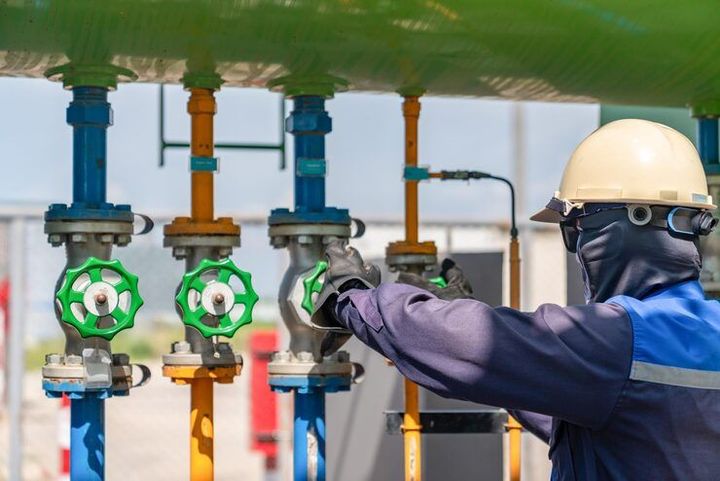
Traditional valves may be operated manually with a handwheel or lever. Automated versions can use pneumatic, hydraulic, or electric actuators to change the valve position without direct manual movement.
Smart control systems add another layer of functionality. Sensors can collect information about pressure, temperature, flow, and valve position, while controllers interpret this information and adjust the process accordingly. This creates a connection between industrial valve technology and broader industrial automation systems.
Importance
Industrial valves affect many processes that people encounter indirectly every day. Water distribution, electricity generation, heating systems, food processing, building systems, and manufacturing facilities all depend on controlled movement of fluids or gases.
A poorly selected or incorrectly operated valve can create process instability, leakage, pressure fluctuations, contamination risks, or equipment downtime. Valve selection therefore involves more than simply matching the physical size of a pipeline.
Where Industrial Valve Technology Is Used
Industrial valve systems appear across numerous applications, including:
- Water and wastewater treatment
- Steam and thermal systems
- Chemical processing
- Food and beverage production
- Power generation
- Industrial refrigeration
- HVAC systems
- Compressed-air systems
- Manufacturing plants
- Process automation
- Pipeline infrastructure
Each application creates different requirements. A valve handling clean water may have different material and sealing requirements from one exposed to corrosive chemicals or high-temperature steam.
Why Smart Valve Control Matters
Smart valve control can provide information that traditional mechanical arrangements cannot easily provide. A digitally connected valve may report its position, actuator condition, operating cycles, pressure conditions, or other process information.
This information can support condition monitoring and process analysis. Instead of relying only on periodic physical inspection, operators can examine equipment data and identify unusual operating patterns.
The broader objective is improved process visibility. Smart control does not eliminate the need for physical inspection, appropriate engineering, or safety procedures, but it can provide additional information for decision-making.
Valve Selection Factors
Selecting an industrial valve involves several technical considerations:
| Factor | Why It Matters |
|---|---|
| Valve type | Determines the primary control or isolation function |
| Pressure rating | Defines the pressure conditions the valve is designed to handle |
| Temperature range | Influences body, seal, and actuator materials |
| Flow characteristics | Affects regulation and system performance |
| Material compatibility | Helps prevent corrosion or material degradation |
| Actuation method | Determines how the valve is operated |
| Connection type | Must match the surrounding piping arrangement |
| Control requirements | Determines whether manual or automated operation is appropriate |
These factors are normally evaluated together rather than independently.
Recent Updates
Industrial valve technology has increasingly become connected with digital manufacturing, industrial Internet of Things systems, predictive monitoring, and automated process control. Modern facilities are placing greater emphasis on collecting operational information from equipment throughout a production environment.
Digital Valve Monitoring
Smart valve systems may incorporate position sensors, pressure sensors, electronic feedback, and communication interfaces. These features can allow control systems to identify whether a valve has reached its intended position and whether process conditions are changing as expected.
Digital monitoring is also becoming more closely integrated with supervisory control and data acquisition systems and distributed control systems. This integration can give operators a broader view of equipment behavior.
Improved Actuation Technology
Electric, pneumatic, and electro-hydraulic actuators continue to develop with greater emphasis on accurate positioning, diagnostics, communication, and energy management. Electronic positioners can adjust control-valve movement according to process signals.
Some modern systems also provide diagnostic information related to actuator movement, operating cycles, friction, and abnormal behavior. Such information can support maintenance planning and equipment analysis.
Smart Manufacturing Integration
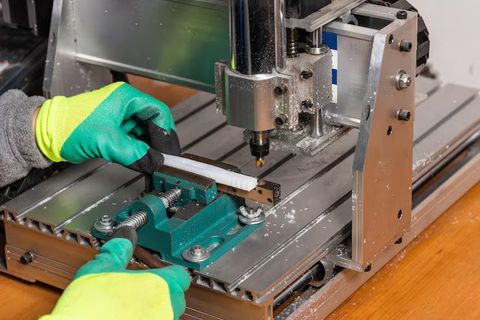
Industrial valve manufacturing is also adopting more automated production methods. Computer numerical control equipment, automated inspection, digital measurement systems, robotics, and manufacturing data platforms can be integrated into production environments.
Digital quality records can help manufacturers track dimensions, material information, inspection results, and production parameters. This supports greater process traceability throughout manufacturing.
Materials and Design Development
Valve designs continue to evolve around changing process requirements. Material selection may include stainless steel, carbon steel, alloys, engineered polymers, and specialized sealing materials depending on the application.
Design development also focuses on reducing leakage pathways, improving flow characteristics, simplifying inspection, and increasing compatibility with automated control systems.
Laws or Policies
Industrial valve systems are influenced by technical standards, pressure-equipment requirements, environmental rules, workplace safety regulations, and industry-specific requirements. The exact requirements vary according to the country, industry, equipment type, and operating conditions.
Pressure and Equipment Safety
Valves used in pressurized systems may need to satisfy requirements related to pressure containment, testing, materials, documentation, and inspection. Systems involving steam, compressed gases, or hazardous process materials can have additional controls.
Manufacturers and operators may need to consider recognized technical standards for valve design, dimensions, testing, materials, marking, and performance. Applicable requirements should be checked for the specific installation and jurisdiction.
Environmental Considerations
Industrial facilities may also face requirements concerning emissions, fluid leakage, wastewater, hazardous materials, and environmental protection. Valve sealing and monitoring can therefore form part of a broader environmental management system.
For automated systems, electrical safety, control-system security, machine safety, and functional safety requirements may also apply. These areas become increasingly relevant as valves connect to industrial networks.
Tools and Resources
Several tools help engineers, technicians, manufacturers, and plant operators understand and manage industrial valve systems.
Valve Sizing Calculators
Valve sizing tools can use parameters such as flow rate, pressure difference, fluid characteristics, temperature, and specific gravity. The resulting information can help determine an appropriate valve capacity for a particular process.
Piping and Instrumentation Diagrams
Piping and instrumentation diagrams show pipelines, valves, instruments, pumps, tanks, and control relationships. They are useful for understanding how a valve fits into an overall process.
Digital Monitoring Platforms
Industrial monitoring platforms can collect information from sensors, actuators, programmable logic controllers, and other equipment. Data dashboards can display valve position, process conditions, alarms, and operating trends.
Manufacturer Documentation
Technical catalogs, installation manuals, dimensional drawings, material specifications, maintenance instructions, and valve-selection guides provide detailed information about individual equipment designs.
Engineering Software
Process simulation, fluid-flow analysis, CAD, digital-twin platforms, and control-system software can help evaluate valve behavior before equipment is installed. These tools are particularly useful for complex systems involving multiple control points.
FAQs
What is industrial valve technology?
Industrial valve technology covers the design, manufacturing, operation, and control of valves used to manage fluids and gases in industrial systems. It includes mechanical valves as well as automated and digitally connected equipment.
How do smart control systems work with industrial valves?
Smart control systems use sensors, controllers, actuators, and communication networks to monitor and adjust valve operation. Depending on the system, information about valve position, pressure, flow, and other process conditions can be collected and analyzed.
What are the main types of industrial valves?
Common types include gate, globe, ball, butterfly, check, plug, and control valves. Each design has different operating characteristics and is selected according to process requirements.
What factors affect industrial valve manufacturing?
Industrial valve manufacturing is influenced by pressure, temperature, fluid compatibility, valve geometry, materials, sealing requirements, actuator design, testing requirements, and applicable technical standards.
Why are valve actuators important in automation?
Actuators convert an electrical, pneumatic, or hydraulic control signal into physical valve movement. They allow valves to operate remotely or automatically as part of a larger industrial control system.
Conclusion
Industrial valve technology has developed from basic mechanical flow-control equipment into a connected component of modern industrial automation. Valve type, materials, pressure conditions, temperature, flow characteristics, actuation, and control requirements all influence system design. Recent developments increasingly connect valves with sensors, digital monitoring, automated manufacturing, and industrial control platforms. Technical standards, safety requirements, environmental considerations, and equipment-specific regulations continue to shape how these systems are designed and operated.