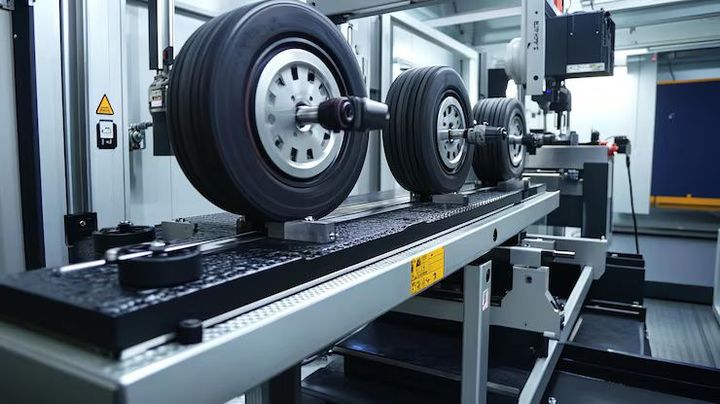
Explore Rubber Testing Equipment With Precision Measurement and Product Testing Details
Rubber Testing Equipment plays an important role in understanding how rubber materials behave under different physical and environmental conditions. Rubber is used in tires, seals, hoses, belts, footwear components, vibration-control parts, medical products, industrial components, and many other applications.
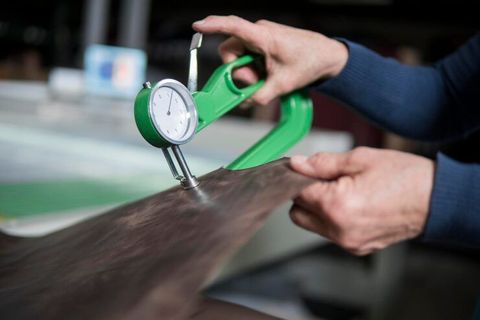
Precision measurement is central to rubber testing because small differences in hardness, tensile strength, elasticity, compression, or resistance can affect the behavior of a finished component. Rubber Testing Equipment provides controlled methods for measuring these characteristics and recording results. The equipment ranges from simple hardness testers to advanced tensile testing machines, rheometers, aging chambers, abrasion testers, and specialized measurement systems.
Context
Understanding Rubber Testing Equipment
Rubber Testing Equipment refers to instruments and machines designed to evaluate the physical, mechanical, thermal, and environmental properties of rubber materials and finished products. These systems are used with natural rubber, synthetic rubber, rubber compounds, elastomers, and products made from rubber-based materials.
Testing normally begins with a prepared sample. The sample is placed into an instrument under defined conditions, and the equipment measures a specific property. The resulting information can then be compared with a specification, internal production requirement, or recognized testing method.
Common equipment includes:
- Rubber hardness testers for measuring resistance to indentation
- Universal testing machines for tensile and elongation measurements
- Rubber rheometers for studying curing behavior
- Compression set testers for evaluating deformation after compression
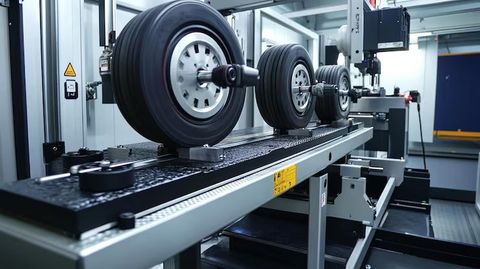
- Abrasion testers for examining material wear
- Aging chambers for studying effects of heat, oxygen, humidity, or other environmental conditions
- Resilience testers for examining elastic recovery
- Density measurement equipment for determining material density
How Rubber Testing Developed
Rubber testing developed alongside the wider use of rubber in transportation, manufacturing, construction, consumer products, and industrial equipment. As rubber applications became more specialized, visual inspection alone became insufficient for understanding material behavior.
Standardized testing methods introduced repeatable procedures for preparing samples, applying loads, controlling temperatures, and recording measurements. Modern Rubber Testing Equipment combines these established testing principles with electronic sensors, digital controls, automated data collection, and computer-based analysis.
Types of Rubber Properties Measured
Different applications require different material characteristics. A rubber compound used for a flexible seal may require different testing from a compound used in a high-load industrial belt.
Important measurements can include:
| Property | Typical Testing Equipment | Main Purpose |
|---|---|---|
| Hardness | Hardness Tester | Measures indentation resistance |
| Tensile Strength | Universal Testing Machine | Measures resistance to pulling force |
| Elongation | Tensile Tester | Measures stretching before break |
| Compression Set | Compression Set Tester | Examines permanent deformation |
| Abrasion Resistance | Abrasion Tester | Measures material wear |
| Resilience | Rebound Resilience Tester | Examines elastic recovery |
| Cure Characteristics | Rubber Rheometer | Studies curing behavior |
| Aging Resistance | Aging Chamber | Examines environmental effects |
| Density | Density Tester | Determines material density |
Importance
Why Precision Measurement Matters
Rubber properties can vary because of formulation, processing conditions, temperature, moisture, curing conditions, and material age. Precision measurement helps identify these differences through controlled testing rather than relying only on appearance or manual inspection.
For example, two rubber samples may look similar but behave differently when stretched. A tensile test can reveal differences in tensile strength and elongation that may not be visible during ordinary inspection.
Industries That Use Rubber Testing
Rubber Testing Equipment is relevant across many industries because rubber components often perform important mechanical or protective functions.
It can be used in:
- Automotive component manufacturing
- Tire and tube production
- Industrial belts and hoses
- Sealing and gasket production
- Electrical and insulation components
- Footwear manufacturing
- Construction materials
- Consumer products
- Research laboratories
- Material development facilities
Quality and Production Challenges
Testing can help identify variation between batches, changes caused by processing conditions, and differences between raw materials. It can also support investigations when a rubber product does not behave as expected during use.
Important factors include sample preparation, test temperature, equipment calibration, loading speed, measurement accuracy, and operator procedures. Poor control of these factors can produce results that are difficult to compare.
Recent Updates
Digital Measurement and Data Collection
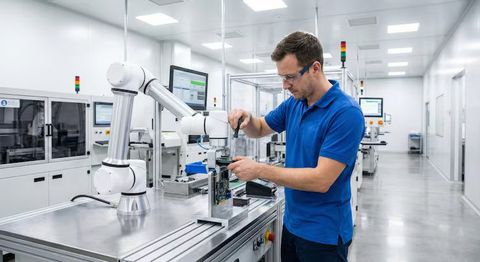
From 2024 through 2026, rubber testing has continued moving toward digital measurement and connected laboratory workflows. Modern instruments increasingly use electronic sensors, touchscreen interfaces, automated test sequences, and software-based result management.
Digital systems can reduce manual recording and make it easier to store measurements for later comparison. Some equipment can also export test results into common data formats for laboratory records and production analysis.
Automation in Testing
Automation is another continuing development. Automated sample handling, programmable test conditions, and computer-controlled testing can improve consistency when many samples must be evaluated using the same procedure.
Automation does not remove the need for appropriate sample preparation or technical judgment. Instead, it can reduce repetitive manual steps and help laboratories maintain consistent testing procedures.
Improved Environmental Testing
Environmental testing has also received greater attention as rubber products are expected to operate under different temperature, humidity, mechanical, and chemical conditions. Aging chambers and related equipment allow controlled exposure testing that helps researchers understand changes in material properties over time.
Data-Based Material Analysis
Modern Rubber Testing Equipment can generate multiple measurements from a single test program. This creates opportunities for statistical analysis, trend monitoring, and comparison between batches or formulations.
Laboratories increasingly combine testing data with electronic records to identify recurring patterns. Data quality remains dependent on calibration, test method selection, sample preparation, and appropriate interpretation.
Laws or Policies
Standards and Testing Requirements
Rubber testing is influenced by technical standards, product specifications, workplace requirements, and environmental rules. The exact requirements depend on the country, industry, product category, and intended application.
Commonly referenced standards organizations include ASTM International, ISO, and other national or regional standards bodies. These organizations publish test methods covering areas such as hardness, tensile properties, compression behavior, abrasion, aging, and material characterization.
Laboratory Procedures
Laboratories generally need controlled procedures for equipment operation, calibration, sample preparation, and result recording. Certain regulated industries may have additional documentation and traceability requirements.
A testing procedure normally identifies the specimen dimensions, conditioning requirements, test environment, loading method, measurement units, and method for reporting results. Following a defined method helps make results more comparable between testing facilities.
Calibration and Measurement Control
Calibration is an important part of measurement quality. Instruments should be checked according to applicable laboratory procedures and equipment requirements.
Measurement control may involve reference materials, calibration records, inspection schedules, and documented maintenance activities. Requirements vary according to the testing environment and applicable standards.
Tools and Resources
Laboratory Testing Instruments
A laboratory may use several instruments depending on the rubber properties being investigated. A hardness tester can provide a relatively quick indication of material hardness, while a universal testing machine can measure tensile behavior and elongation.
Rheometers are commonly used for examining curing characteristics, while compression testing equipment can evaluate how rubber responds to sustained compression. Abrasion equipment is used when wear behavior is important.
Standards Databases and Technical Documents
Standards databases can help laboratories identify applicable test methods and understand testing terminology. Technical documents can also provide information about specimen dimensions, conditioning procedures, calculation methods, and reporting requirements.
Readers should verify that the selected standard is appropriate for the specific material and application because different products may require different procedures.
Laboratory Data Software
Spreadsheet programs and laboratory information management platforms can be used to organize measurements, calculate averages, identify variation, and maintain historical records. Statistical tools can also help identify unusual measurements or changes between production batches.
Measurement Calculators
Basic engineering calculators can assist with unit conversions, tensile stress calculations, elongation percentages, density calculations, and other numerical tasks associated with laboratory testing. Calculations should follow the definitions and equations specified by the applicable test method.
FAQs
What is Rubber Testing Equipment used for?
Rubber Testing Equipment is used to measure properties such as hardness, tensile strength, elongation, compression set, abrasion resistance, resilience, density, and curing behavior. Different instruments are selected according to the property being examined.
Which Rubber Testing Equipment measures hardness?
A rubber hardness tester measures resistance to indentation. Different hardness scales and procedures may be used depending on the rubber material and applicable testing method.
How does a rubber tensile testing machine work?
A tensile testing machine holds a prepared rubber specimen and applies a controlled pulling force. Sensors record the applied force and specimen movement, allowing measurements such as tensile strength and elongation to be determined.
Why is calibration important for Rubber Testing Equipment?
Calibration helps confirm that an instrument's measurements remain within the required accuracy range. Regular measurement checks can support reliable and comparable test results.
What standards are used for rubber testing?
Rubber testing may use standards published by organizations such as ASTM International and ISO, along with national or industry-specific requirements. The applicable method depends on the material, product, property being measured, and intended application.
Conclusion
Rubber Testing Equipment provides controlled methods for measuring important rubber properties such as hardness, tensile strength, elongation, compression behavior, abrasion resistance, resilience, and aging performance. Recent developments have increased the use of digital controls, automated testing, electronic data collection, and environmental evaluation. Testing procedures are influenced by technical standards, laboratory practices, calibration requirements, and product-specific regulations. Accurate sample preparation, suitable equipment, controlled conditions, and consistent measurement procedures remain important for meaningful rubber testing results.