Explore Packaging Machinery With Filling, Sealing, Labeling, and Packing Technologies
Packaging machinery refers to equipment used to prepare products for storage, transportation, distribution, and everyday use. Modern packaging lines can perform several connected activities, including filling containers, sealing packages, applying labels, wrapping products, and placing finished units into cartons or other outer packaging.
Packaging developed from simple manual containers into increasingly automated systems as production volumes expanded. Early industrial equipment focused on repetitive activities such as forming containers, filling measured quantities, and closing packages. Over time, mechanical controls, sensors, programmable systems, robotics, and digital monitoring have become part of packaging machinery.
Today, packaging machinery is used across food and beverage production, household products, personal care products, industrial materials, agriculture, electronics, and other manufacturing environments. Different products require different packaging formats, so equipment can range from a single filling machine to a complete packaging line containing several connected machines.
Filling machines are designed to place a measured quantity of liquid, powder, granule, paste, or other material into a container. Sealing machines then close the package using methods such as heat sealing, induction sealing, pressure sealing, adhesive application, or mechanical closure.
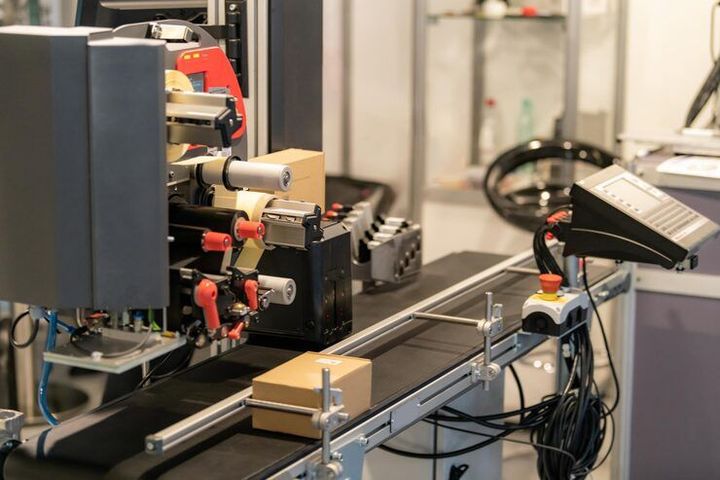
Labeling machines apply product information to containers or packages. Depending on the packaging format, labels may communicate product identification, ingredients, handling information, batch details, dates, or other required information. Packing machinery can then arrange individual units into cartons, cases, trays, bags, or other transport formats.
Importance
Packaging machinery matters because packaging is closely connected with product protection, handling, identification, and distribution. A suitable packaging process can help maintain consistent package dimensions and quantities while reducing repetitive manual handling.
For everyday consumers, packaging affects how products are stored, transported, opened, identified, and protected. For manufacturers and distribution operations, packaging machinery helps coordinate multiple stages of production and can support consistent processing across large production volumes.
Major packaging functions
A packaging line may contain several specialized machines working together:
- Filling equipment measures and places material into containers.
- Capping and sealing equipment closes containers or packages.
- Labeling equipment applies identification and regulatory information.
- Cartoning equipment places products into cartons.
- Case packing equipment groups products into larger shipping units.
- Wrapping equipment secures products using film or other materials.
- Inspection equipment checks package characteristics using sensors or cameras.
Automation can also help synchronize these stages. Sensors may detect containers, confirm positioning, monitor material levels, and identify interruptions. Programmable controllers coordinate machine movements so that different parts of a production line can operate in sequence.
Common packaging machinery types
| Machinery Type | Main Function | Typical Packaging Format |
|---|---|---|
| Filling Machine | Measures and dispenses products | Bottles, jars, pouches |
| Sealing Machine | Closes or secures packages | Bags, trays, containers |
| Labeling Machine | Applies labels and information | Bottles, cartons, containers |
| Cartoning Machine | Places products into cartons | Boxes and cartons |
| Case Packer | Groups units into cases | Corrugated cases |
| Wrapping Machine | Wraps products or groups | Film-wrapped units |
| Capping Machine | Applies closures | Bottles and jars |
| Inspection System | Checks package characteristics | Various formats |
The choice of machinery depends on product characteristics, packaging materials, container dimensions, production volume, required accuracy, and available floor space. Liquid products may require different filling technology from powders or solid products because their flow characteristics are different.
Recent Updates
Packaging machinery has increasingly incorporated automation, digital monitoring, robotics, machine vision, and data collection. These developments are changing how packaging lines are controlled and maintained.
Automation and smart controls
Modern packaging machinery can use programmable logic controllers, touch-screen interfaces, sensors, and networked control systems. Operators can monitor production parameters and receive information about machine conditions through digital interfaces.
Machine vision is another important development. Cameras can inspect labels, caps, seals, package positions, and visible product characteristics. Image-processing software can compare captured images with defined inspection criteria and identify certain inconsistencies.
Robotics and flexible packaging
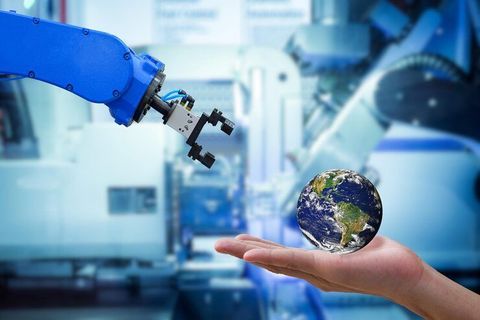
Robotic systems are increasingly used for activities such as picking, placing, palletizing, case packing, and product handling. Robots can work with different package arrangements when appropriate tooling and programming are available.
Flexible packaging is also influencing equipment design. Pouches, films, sachets, and lightweight packaging formats require machinery capable of accurately forming, filling, sealing, and handling flexible materials.
Packaging line connectivity
Industrial connectivity allows individual machines to exchange operational information. A connected packaging line can collect data about production rates, machine interruptions, material usage, and inspection results.
Digital data can help production teams understand recurring interruptions and identify patterns in equipment operation. In larger facilities, packaging machinery may be connected with manufacturing execution systems or other production-management platforms.
Energy and material efficiency
Packaging equipment development also focuses on reducing unnecessary material use and improving machine efficiency. Manufacturers are examining lightweight packaging formats, recyclable materials, optimized sealing processes, and equipment capable of handling newer material structures.
These changes are not identical across every packaging application. Product protection, shelf stability, transportation requirements, machine compatibility, and applicable packaging rules all influence the appropriate format.
Laws or Policies
Packaging machinery operates within a wider regulatory environment that can vary by country, product category, and packaging material. Requirements commonly address product information, safety, labeling, packaging materials, environmental considerations, workplace safety, and machinery operation.
Product labeling requirements
Labels may need to contain specific information depending on the product category and jurisdiction. Common examples include product identity, quantity, ingredients or material information, manufacturer details, handling instructions, warnings, and traceability information.
Packaging machinery therefore needs to apply labels accurately and consistently. Labeling equipment may need to accommodate different container shapes, label dimensions, positions, and production speeds.
Machinery safety
Industrial packaging equipment generally needs appropriate safeguards around moving components, heated areas, cutting mechanisms, electrical systems, and other potential hazards. Emergency stops, protective guards, interlocks, warning systems, and safe operating procedures can form part of a machine's safety framework.
The exact requirements depend on the jurisdiction and type of machinery. Organizations operating packaging equipment are responsible for understanding the applicable workplace and machinery rules in their location.
Environmental packaging policies
Many jurisdictions are introducing or strengthening policies related to packaging waste, recycling, material recovery, and producer responsibility. These policies can influence the selection of packaging materials and the design of packaging systems.
Packaging machinery may consequently need to handle recyclable, lightweight, compostable, or otherwise modified materials. Equipment compatibility is important because changes in material structure can affect sealing temperature, feeding behavior, forming characteristics, and package strength.
Tools and Resources
Several digital and technical resources can support packaging machinery planning, operation, and analysis. Equipment manuals and technical specifications provide information about machine capabilities, operating conditions, compatible materials, dimensions, and maintenance requirements.
Packaging calculations
Production teams may use calculators and spreadsheets to estimate throughput, container requirements, packaging material consumption, line capacity, and production timing. These calculations can help compare different operating scenarios without relying solely on theoretical machine speed.
Digital monitoring platforms
Industrial monitoring platforms can collect information from connected packaging equipment. Depending on the system, users may review production counts, machine states, alarms, downtime information, and inspection results through dashboards.
Maintenance resources
Maintenance documentation can include inspection schedules, component records, lubrication requirements, troubleshooting guides, replacement-part information, and machine history. Organized records can help technicians understand recurring equipment conditions.
Packaging design resources
Packaging templates and design software can assist with carton dimensions, label layouts, package structures, and artwork positioning. These resources become particularly important when a packaging line handles multiple container or package formats.
The most useful resource depends on the packaging process, machine configuration, product characteristics, and regulatory environment. Technical documentation should always be interpreted according to the specific equipment and operating conditions.
FAQs
What is packaging machinery?
Packaging machinery is industrial equipment used to fill, close, label, wrap, arrange, or pack products. A packaging line may contain one machine or several connected systems performing different stages.
How does a filling machine work?
A filling machine measures a predetermined quantity of material and transfers it into a container. Different systems are designed for liquids, powders, granules, pastes, and other materials.
What does sealing machinery do?
Sealing machinery closes packages to help contain and protect their contents. Common approaches include heat sealing, pressure sealing, induction sealing, adhesive application, and mechanical closure.
How are labeling machines used in packaging?
Labeling machines position and attach labels to containers, cartons, or other packages. They can be configured for different label sizes, container shapes, application positions, and production requirements.
What is included in an automated packing line?
An automated packing line can include filling, capping, sealing, labeling, inspection, cartoning, case packing, wrapping, and palletizing equipment. The exact combination depends on the product and packaging format.
Conclusion
Packaging machinery combines filling, sealing, labeling, inspection, and packing technologies into processes designed for consistent product handling and packaging. Automation, robotics, machine vision, digital monitoring, and flexible packaging are influencing the development of modern systems. Regulatory requirements concerning labeling, machinery safety, packaging materials, and environmental management also shape equipment selection and operation. Understanding the role of each machine helps explain how individual packaging stages connect into an integrated production process.