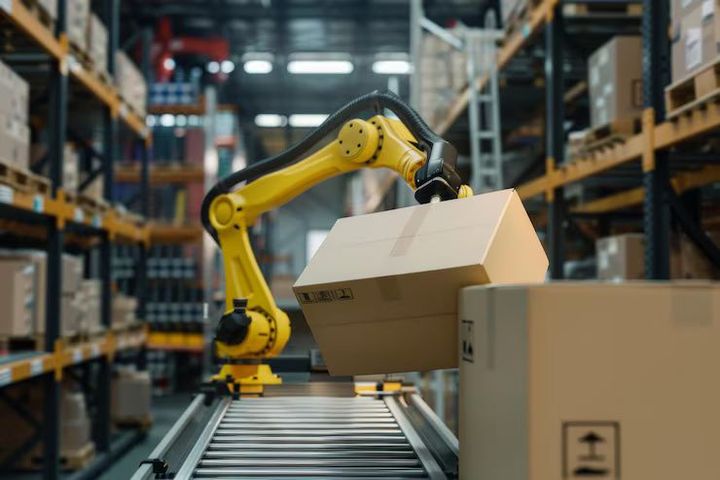
Explore Material Handling Machines With Lifting, Conveying, and Transportation Solutions
Material handling machines are equipment systems used to move, lift, position, store, and transport materials within workplaces such as factories, warehouses, construction areas, distribution centers, ports, and processing facilities. The concept developed from the need to move heavy, bulky, or repetitive loads more efficiently than manual handling alone.
Modern material handling machines include cranes, forklifts, hoists, conveyors, pallet trucks, elevators, stackers, automated guided vehicles, and specialized transportation equipment. Each machine is designed around a particular movement requirement, such as lifting a load vertically, transferring materials horizontally, or transporting items between different work areas.
Material handling machines can be divided into several broad categories. Lifting equipment raises or lowers loads, conveying systems move materials along defined routes, and transportation equipment carries materials from one location to another. Storage and positioning systems can also be integrated into larger material handling arrangements.
How Material Handling Systems Developed
Early material movement depended heavily on human effort, ropes, pulleys, carts, and simple mechanical devices. Industrial expansion increased the need for equipment capable of handling heavier loads and larger quantities of materials.
The development of electric motors, hydraulic systems, sensors, programmable controls, and industrial automation gradually changed material handling. Modern systems can combine mechanical movement with electronic controls to improve coordination and reduce unnecessary manual handling.
Main Types of Material Handling Machines
Common equipment includes:
- Cranes for lifting and positioning heavy loads
- Hoists for controlled vertical movement
- Forklifts for pallet and load transportation
- Conveyors for continuous material movement
- Pallet trucks for moving palletized materials
- Stackers for lifting and arranging loads
- Automated guided vehicles for programmed transportation
- Scissor lifts and work platforms for vertical access
- Winches for pulling and lifting applications
- Bucket elevators for vertical movement of bulk materials
The appropriate equipment depends on factors such as load size, weight, movement distance, operating environment, available space, and required handling frequency.
Importance
Material handling affects many everyday activities even when people do not directly notice the equipment involved. Products, components, packaging materials, construction materials, food ingredients, and other goods often pass through several handling stages before reaching their final destination.
Efficient movement can help organizations manage production areas and storage facilities more systematically. It can also reduce unnecessary manual movement, particularly when materials are heavy, repetitive to handle, or positioned at different heights.
Problems Addressed by Material Handling Equipment
Manual material movement can create challenges when loads are heavy, distances are long, or repeated movement is required. Material handling machines are designed to address several practical problems:
- Moving heavy loads between work areas
- Maintaining consistent movement routes
- Positioning materials at different heights
- Transferring materials between production stages
- Arranging palletized goods in storage areas
- Moving bulk materials through processing facilities
- Reducing unnecessary physical handling
- Coordinating movement within automated facilities
Industries Using Material Handling Machines
Material handling equipment is used across a wide range of industries. Manufacturing facilities use conveyors, cranes, hoists, and automated vehicles to move components and finished products. Warehouses rely on forklifts, pallet equipment, conveyors, and storage systems.
Construction activities may require cranes, hoists, lifts, and transport equipment for structural materials. Ports and logistics facilities use specialized lifting and transportation systems for containers and other large loads.
| Equipment | Primary Function | Typical Application |
|---|---|---|
| Forklift | Lifting and transportation | Pallets and packaged loads |
| Conveyor | Continuous movement | Production and sorting |
| Crane | Heavy lifting | Industrial and construction areas |
| Hoist | Vertical lifting | Workshops and production areas |
| Stacker | Lifting and stacking | Warehouses |
| Pallet Truck | Short-distance movement | Storage facilities |
| AGV | Automated transportation | Controlled indoor routes |
| Bucket Elevator | Vertical bulk movement | Processing facilities |
Safety and Operational Considerations
Equipment selection involves more than determining whether a machine can move a particular load. Operators and planners also need to consider load stability, operating space, visibility, floor conditions, travel paths, maintenance requirements, and the characteristics of the material being handled.
Training is another important part of safe equipment use. Machines with different lifting capacities, controls, and movement patterns require appropriate operating procedures. Regular inspections can also help identify mechanical or structural problems before equipment is used.
Recent Updates
Material handling technology has continued to change during 2024–2026, particularly through automation, sensor technology, digital monitoring, and improved energy management. Many facilities are combining conventional equipment with electronic controls and software-based monitoring.
Automation and Autonomous Movement
Automated guided vehicles and autonomous mobile robots are increasingly used for repetitive transportation tasks. These systems can follow mapped routes, respond to sensors, and communicate with facility control systems.
Automation is also appearing in conveyor sorting, pallet movement, storage retrieval, and production-line transportation. The level of automation varies from simple programmed movement to coordinated systems involving multiple machines.
Smart Monitoring
Sensors can monitor information such as equipment movement, load conditions, operating cycles, temperature, and component status. Digital monitoring can provide information that helps operators understand how equipment is being used and when inspection or maintenance may be appropriate.
Predictive maintenance is another developing area. Instead of relying only on fixed inspection intervals, some systems analyze equipment data to identify patterns associated with potential mechanical issues.
Energy and System Efficiency
Electric-powered equipment is receiving increased attention across material handling applications. Battery technology, regenerative braking, efficient motors, and improved charging systems are being incorporated into various types of industrial transportation equipment.
Conveyor systems are also being designed with variable-speed controls and automated operating sequences. These technologies can help align equipment operation with actual material movement requirements.
Laws or Policies
Material handling machines are generally subject to workplace safety, equipment design, inspection, operator training, and load-handling requirements. Exact rules vary by country, industry, machine type, and working environment.
Workplace Safety Requirements
Regulatory frameworks commonly address issues such as:
- Rated load capacity
- Machine stability
- Guarding and protective systems
- Operator training
- Equipment inspection
- Safe travel routes
- Emergency controls
- Maintenance procedures
- Warning labels and operating instructions
Lifting equipment may have additional requirements relating to load testing, structural integrity, lifting accessories, and inspection records.
Employer and Operator Responsibilities
Organizations using material handling machines generally need procedures covering equipment operation, workplace hazards, training, inspections, and maintenance. Operators may also need specific authorization or training depending on the equipment and applicable regulations.
Because requirements differ across jurisdictions, organizations should consult the relevant workplace safety authority, equipment documentation, and applicable standards for their location. General information cannot replace the requirements that apply to a particular facility.
Tools and Resources
Several types of tools can help people understand, plan, and manage material handling systems.
Load and Capacity Calculators
Load capacity calculators can help users examine basic relationships between load weight, lifting height, equipment capacity, and operating conditions. These calculations should be checked against the manufacturer's rated specifications and applicable safety requirements.
Layout and Planning Software
Facility layout software can be used to visualize conveyors, storage areas, travel paths, loading zones, and equipment locations. Digital layouts can help identify space limitations before physical changes are made.
Equipment Manuals and Technical Documents
Manufacturer manuals contain important information about rated capacity, operating procedures, inspection requirements, dimensions, controls, and maintenance intervals. Technical documentation should be reviewed for the specific machine rather than relying only on general equipment descriptions.
Industry Standards and Regulatory Resources
Government workplace safety portals, recognized technical standards organizations, training materials, equipment manuals, and engineering references can provide additional information. These resources are particularly useful when planning lifting operations or automated material transportation systems.
FAQs
What are material handling machines?
Material handling machines are mechanical or automated systems used to lift, move, transport, position, or store materials. Examples include cranes, forklifts, conveyors, hoists, pallet trucks, stackers, and automated guided vehicles.
What are lifting machines used for?
Lifting machines raise, lower, or position loads. Cranes, hoists, lifts, and certain types of stackers are common examples. Their specifications depend on factors such as load weight, lifting height, movement range, and operating environment.
How do material handling machines improve transportation?
Material handling machines can organize the movement of materials along defined routes or between designated areas. Conveyors can provide continuous movement, while forklifts, pallet trucks, and automated vehicles can transport loads between different locations.
What are conveyor systems used for?
Conveyor systems move materials continuously or intermittently along a planned path. They are commonly used for packages, components, containers, bulk materials, and products moving between processing or storage stages.
What should be considered when selecting material handling machines?
Important factors include load characteristics, capacity, movement distance, lifting height, available space, floor conditions, operating frequency, power requirements, safety features, maintenance needs, and applicable regulations.
Conclusion
Material handling machines support the movement of materials through manufacturing, warehousing, construction, logistics, and processing environments. Lifting equipment, conveyors, and transportation systems each address different movement requirements and can be combined into larger handling systems. Recent developments have emphasized automation, sensors, digital monitoring, and energy-efficient operation. Safe use depends on suitable equipment specifications, trained operators, proper inspection, maintenance, and compliance with applicable requirements.